

Rising oil and plastic prices push packagers toward recycled materials


Key takeaways
- The Iran war and regional supply disruptions have driven up oil and energy prices, significantly increasing the cost of virgin polyolefins.
- The surge in oil and energy prices is narrowing the cost gap between virgin and recycled plastics.
- Industry interest in recycled packaging materials is increasing, driven by risk management and market volatility, not just sustainability.
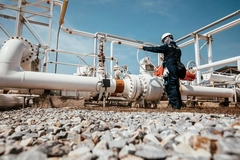
The escalating war in Iran and the wider Middle East has contributed to a sharp rise in oil and energy prices, as attacks on energy infrastructure and disruptions around the Strait of Hormuz have unsettled global supply routes and tightened markets.
We sit down with Marcel Alberts, founder at Healix, a Netherlands-based clean-tech recycling start-up, to explore how rising oil prices impact Europe’s packaging supply chains.
The soaring prices are “significantly” increasing the cost of virgin polyolefins (POs) derived from fossil feedstocks such as naphtha, ethylene, and propylene, Alberts tells Packaging Insights.
According to Alberts, the long-standing price gap that often made recyclates more costly than virgin materials is shrinking quickly, and in some instances, has already reversed.
“This fundamentally changes the economic case for recycled materials.”

Alberts adds that the shift in demand from virgin to recycled plastics among European packaging producers is “not yet of concrete demand but definitely in interest.”
“What we are seeing now may be a turning point. What is different this time is that the shift is no longer driven purely by sustainability targets or regulation, but by risk management. Today, recycled plastic is increasingly becoming a strategic sourcing decision.”
“Processors and brand owners are increasingly looking to reduce dependency on volatile fossil-based supply chains. We see more requests for samples, trials, and qualification of recycled materials.”
Healix recycles fishing ropes, nets, and farming waste into certified circular POs with packaging applications.
Risks and opportunities
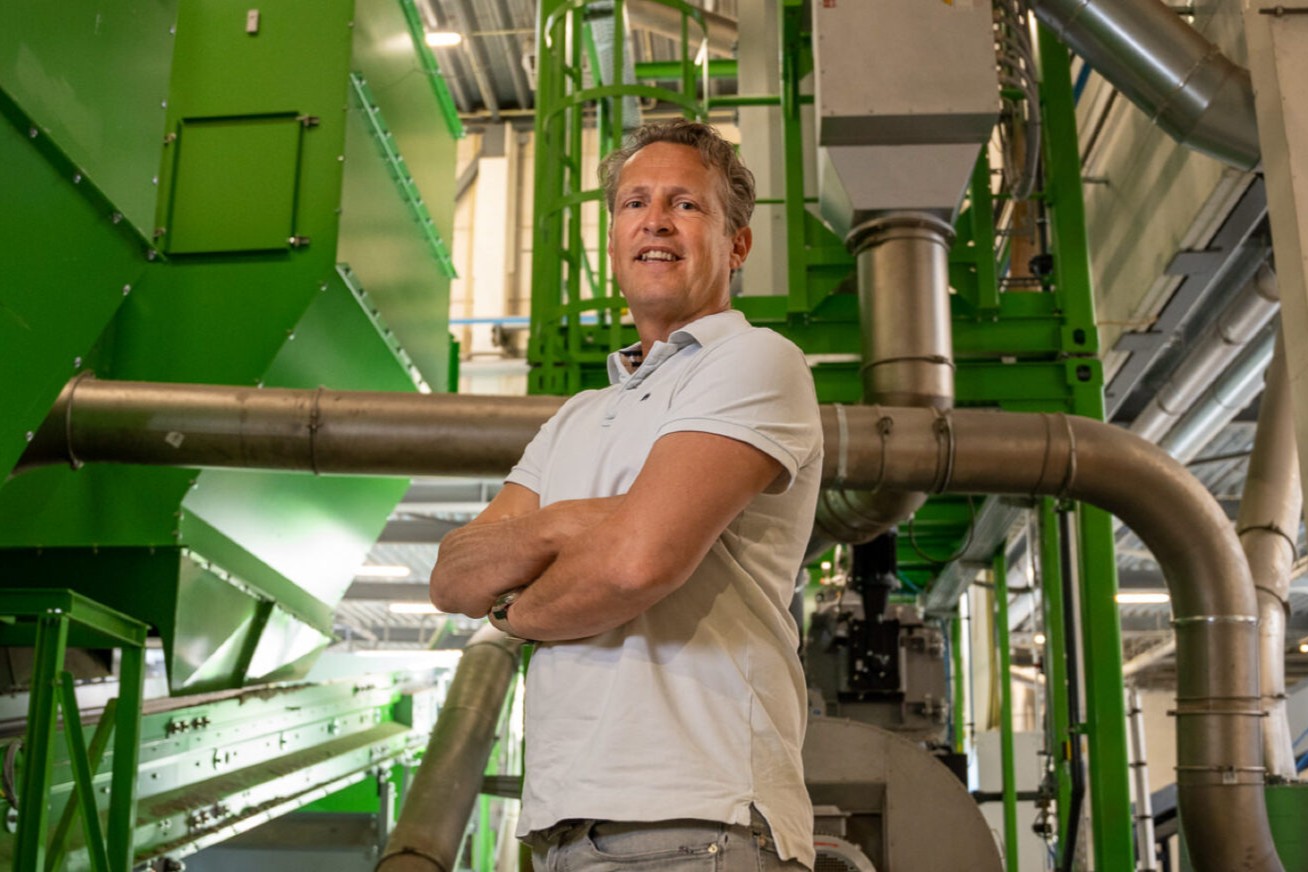 Marcel Alberts, founder at Healix.Alberts explains that packaging industry sectors with high material intensity and tight margins are most sensitive to changes in raw material pricing.
“This includes transport packaging, industrial packaging, crates, pallets, and certain rigid packaging applications. These segments consume large volumes of POs, making them highly exposed to price volatility and therefore more open to alternative materials.”
Elaborating on the magnitude of the cost spikes, he adds: “We are seeing mark-ups of €200–300 (US$225–345) per metric ton of virgin POs in relatively short periods. Recycled plastics are also affected by energy costs, but to a much lesser extent.”
Concerning how small and medium-sized packaging companies adapt compared to larger multinational corporations, Alberts points out that larger entities often have stronger purchasing power and established sustainability strategies.
“SMEs, on the other hand, are typically more exposed to short-term price fluctuations and supply risks. However, they can also be more agile.”
“The SMEs that proactively test and adopt recycled materials now can gain a competitive advantage, especially in terms of locking in volumes, cost stability, and future regulatory compliance.”
Companies that start integrating recyclates now will be better positioned for future market disruptions and upcoming legislation, he argues.
EU regulatory impact
Recently, the European Commission released its new measures to address the imports of cheap virgin plastic to the EU, including an “urgent action” plan to boost EU member states’ recycling sectors.
Alberts says: “Directionally, the policies are moving in the right direction, but they are not yet sufficient. The European recycling sector has been under significant pressure in recent years due to low-priced imports of virgin material and inconsistent demand for recyclates.”
“Stronger and more consistent measures are needed to create a level playing field and to ensure that recycled materials are structurally integrated into the market, not just during times of crises.”