




Sawdust foam emerges as potential alternative to PS packaging
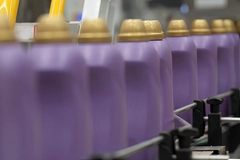
Scientists have developed sawdust-based foams that could offer an alternative to fossil fuel-based materials used in protective packaging, such as polystyrene (PS) packing peanuts and box inserts. Published in ACS Applied Polymer Materials, the prototypes incorporate cellulose binders and other additives to create rigid or flexible materials. According to the scientists, some versions matched PS strength and impact resistance, while a beeswax coating improved water resistance.Sealed Air and Yangi: Fiber trays & flexibles reshape protein packs amid regulatory pressures
Protein packaging is undergoing a material, design, and barrier transformation as the industry recognizes sustainability as no longer an aspiration, but a requirement. To understand the latest innovations and trends in the category, Packaging Insights speaks to Sealed Air and Yangi, and draws on data from Innova Market Insights. Sealed Air exec: Proof, not promises, will drive packaging sustainability claims
Despite the EU Packaging and Packaging Waste Regulation’s (PPWR) complexity, it offers companies the opportunity to truly support a circular economy — but only if transparency and traceability are prioritized, says Arnaud Brunet, executive director for Food Products, Marketing, and Sustainability EMEA, at Sealed Air.As the deadline for the PPWR approaches, Packaging Insights sits down with Brunet to discuss how companies can beat eco-fatigue and use the momentum of the landmark regulation to take “decisive steps” in packaging redesign.Protein packaging reinvented
Innova Market Insights data reveals that consumers find packaging very important when choosing meat and dairy products. Standard Tray and Flat pouch were the leading packaging types, while Cup emerged as the packaging category with the fastest rise in innovation. Bio-based material for protein launches had 21% growth from April 2021 to March 2026, opening the path to new packaging opportunities.A Science Based Look at Fluorination and PFAS.
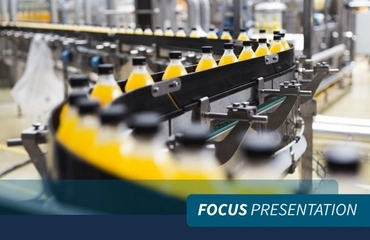
Are all fluorinated packaging technologies created equal? Or are we oversimplifying risk? Greif examines how process chemistry, particularly oxygen control, fundamentally shapes PFAS outcomes. Backed by validated data and scientific rigor, this paper reframes barrier selection for regulators, engineers, and decision-makers seeking compliant, high-performance packaging solutions.This Technical Paper is brought to you by Greif.RAWS scales biodegradable plastic additive to tackle packaging waste
Return to Air, Water, and Soil (RAWS) Americas is a US-based plastics technology company that creates an additive for plastic to make it biodegradable. We speak to Camilo Ferro, president at the company, about scaling RAWS technology amid the industry’s effort to innovate end-of-life solutions for plastic packaging waste.Settings
- Play Interval
- Slide Duration
- Thumbnail Bar Position

Latest headlines
View more
Highlighted features

Food waste fighters Jun 2026

Protein packaging reinventedJun 2026
Multimedia
View more
RAWS scales biodegradable plastic additive to tackle packaging waste
Return to Air, Water, and Soil (RAWS) Americas is a US-based plastics technology company that creates an additive for plastic to make it biodegradable. We speak to Camilo Ferro, president at the company, about scaling RAWS technology amid the industry’s effort to innovate end-of-life solutions...
Subscribe to our newsletters
By continuing to browse our site you agree to our Privacy Statement