
Unilever meets own plastic reduction goals, but Greenpeace questions real impact


Key takeaways
- Greenpeace criticizes Unilever’s shift to paper-based packaging, calling it a “burden shift.”
- Despite meeting most of its 2025 targets, Greenpeace argues Unilever’s plastic reduction approach is insufficient.
- The company’s commitment to recycled content and reduced plastic use is also questioned, with calls for stronger zero-waste systems.
Unilever’s plastic packaging targets are falling short in addressing the full scale of plastic production, according to Greenpeace, despite the company’s 2025 Annual Report hinting at a shift toward paper-based solutions.
Unilever’s report provides an update on its plastic packaging targets, like recycled content and reusability, as well as an updated assessment of the environmental impact of its production processes.
“Hard-to-recycle flexible plastic packaging, including sachets, remains an industry-wide challenge and a priority for Unilever. Our packaging R&D team is actively developing new flexible packaging materials that are recyclable and/or compostable, and in 2026, we will update our targets to increase focus on our transition to paper-based flexible packaging,” says the report.

However, Greenpeace USA’s global plastics campaign lead Graham Forbes is critical of the move. “Switching from virgin plastic to another problematic material like paper is just shifting the burden elsewhere,” he tells Packaging Insights.
“Unilever is past due on delivering a clear sachet phase-out plan. Its report still doesn’t outline when and how it will no longer source this highly polluting plastic that is causing real harm to communities and the planet.”
Recycled content targets
Unilever’s report indicated that it has either met its 2025 plastic packaging goals or is on track to meet its future goals. However, Forbes describes many of the multinational consumer goods company’s targets as false solutions that divert attention from real environmental protection measures, such as controlled plastic production and zero-waste systems.
“It isn’t only about not achieving the goals fast enough, it’s about whether it is even the right goal.”
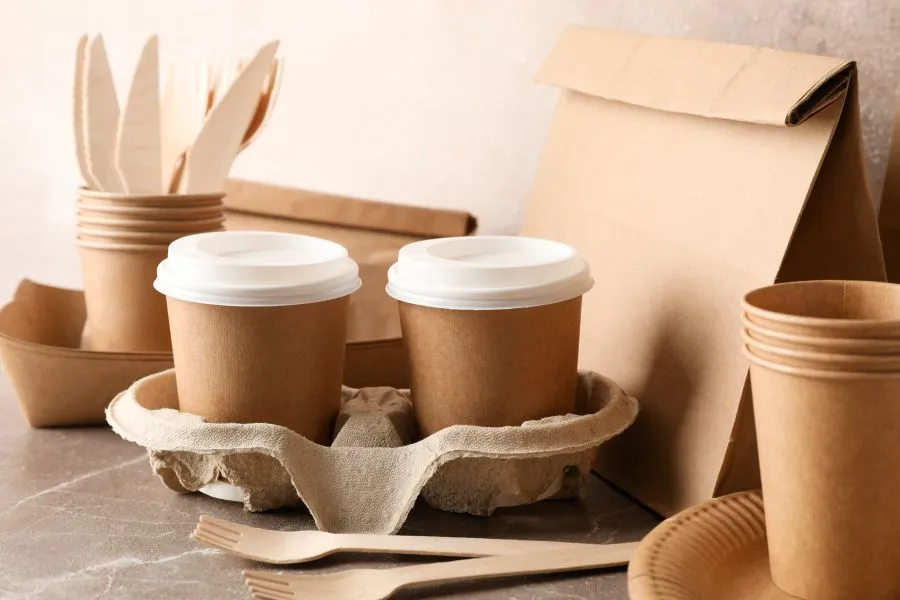 Switching from virgin plastic to paper shifts the packaging waste burden elsewhere, says Forbes.In 2025, Unilever reached its 25% recycled content by 2025 target, noting a 4% increase in PCR content compared to 2024. It attributes this progress to efforts to introduce recycled content packaging, as well as the demerger of its Ice Cream business, which historically used less recycled plastic compared to other segments of its portfolio.
Forbes adds: “Increasing recycled content in plastic packaging is a delay tactic to avoid embracing real zero-waste, non-toxic reuse solutions. Plastic pollutes across its lifecycle from production to use to disposal, and even recycling.”
Unilever also reduced its use of virgin plastics for its packaging by 29%, versus a 2019 baseline, and is on track to meet its 30% reduction by 2026 target.
“Increasing recycled content in single-use plastic packaging may reduce virgin plastic input, but it doesn’t take away the other waste and pollution problems. A plastic bottle with recycled content that ends up in the environment still poses the same threats.”
The circular economy vs reality
Meanwhile, Unilever’s report reveals that 57% of its plastic packaging is reusable, recyclable, or compostable. The FMCG aims to achieve full reusability, recyclability, or compostability for its rigid packaging by 2030, and for flexible packaging by 2035.
“The commitment ignores the zero waste hierarchy that places the importance of reduction and reuse over how waste is managed, and it fails to make it clear what percent of its packaging will become reusable, recycled, and compostable,” says Forbes.
He adds that the reality of current waste management systems is disproportionate to the impact of compostability and recycling claims. Forbes urges Unilever to commit to a target of reuse and refill models that are “truly zero waste.”
“Unilever must set a target to transition its single-use packaging to reuse and refill models and eliminate the use of harmful chemicals and plastics, instead of potentially creating new waste management issues or negative environmental outcomes.”
Plastic collection commitments
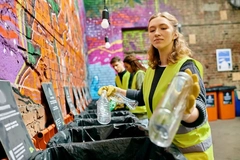
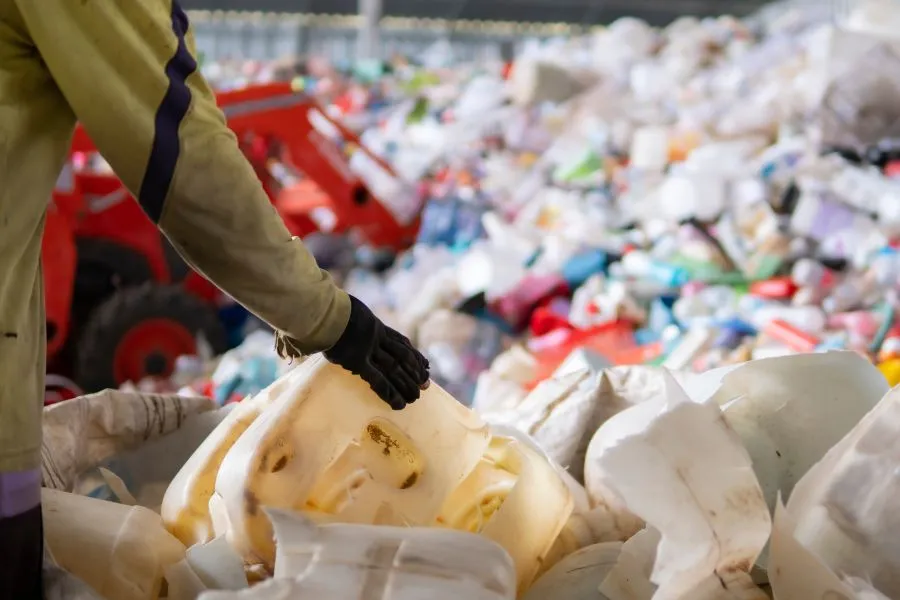 In 2025, Unilever collected more plastic than it sold by purchasing recycled plastic, forming strategic partnerships, and participating in EPR schemes.In 2025, Unilever collected and processed more plastic than it sold through its purchase of recycled plastic, strategic partnerships, and participation in EPR schemes.
The report adds: “To achieve this, we have expanded partnerships with waste management providers and community-based collection systems, such as those with Lohjinawi and Persada in Indonesia. We continue to improve recyclability in practice and further increase access to recycled content through advocacy and targeted investments.”
However, Unilever also states that while it will continue to “deliver” this commitment, it is no longer a formal target. “From 2026, we will increase focus on our transition to paper-based flexible packaging, with the inclusion of a paper flexible target in our Sustainability Progress Index.”
Forbes adds: “This is part of a broader pattern we see with voluntary commitments. Companies like Unilever quietly roll them back or redefine them, with little to no accountability for falling short.” More importantly, he adds, is that collection commitments are “not a real” solution to the plastics pollution crisis.
“Unilever needs to make less plastic and use its global reach and influence to drive systemic change.” Forbes advocates for a strong global plastics treaty that must hold corporations accountable for the pollution they create.
He concludes: “If Unilever is serious about tackling the plastics crisis, it must move beyond false solutions and commit to real change: investing in truly zero-waste and reuse-based systems and not just swapping one single-use material for something else.”