


PRSE 2026 live: Supply chain pressure and AI sorting tech dominate


Key takeaways
- PRSE 2026 is focusing on the economic pressures of plastics recycling amid supply chain volatility.
- Innovations in sorting, AI-driven systems, and digital traceability are key topics at the event.
- Rising energy prices and virgin polymer costs challenge the competitiveness of recycled plastics.

Ongoing economic pressures, system efficiency, and resilience amid supply chain volatility are central themes at this year’s Plastics Recycling Show Europe (PRSE) in Amsterdam, Netherlands (May 5–6), says Matt Barber, global events director for PRSE.
PRSE aims to bring together the plastic value chain and is jointly organized by Plastics Recyclers Europe and Crain Communications.
Barber tells Packaging Insights that, as the industry faces ongoing market pressures and policy uncertainty, innovation is set to accelerate across collection, sorting, and recycling, “helping to unlock practical solutions.”
“A central theme is the ongoing economic pressure on plastics recycling, alongside the need to improve system efficiency and resilience,” he adds.

“While policy developments such as the EU’s Packaging and Packaging Waste Regulation (PPWR) are an important discussion point for the packaging sector, much of the focus will be on how to translate regulatory ambition into workable outcomes on the ground.”
Digital tracing and AI
Barber shares that innovations at the event include sorting and identification technologies, while AI-enabled systems are improving material recovery rates and quality. Moreover, he explains that there is development in recycling technologies capable of handling more complex waste streams.
“For the packaging sector in particular, digital traceability tools and solutions supporting recycled content verification are becoming increasingly relevant, especially as regulatory frameworks evolve.”
In addition, Barber says that there is a “growing emphasis” on packaging design that can improve recyclability without compromising performance.
“The most valuable outcomes will come from stronger collaboration across the value chain, particularly between packaging producers, recyclers, brands, and technology providers. As regulatory expectations continue to evolve, alignment between these groups will be essential to ensure practical and scalable implementation,” he says.
Market volatility
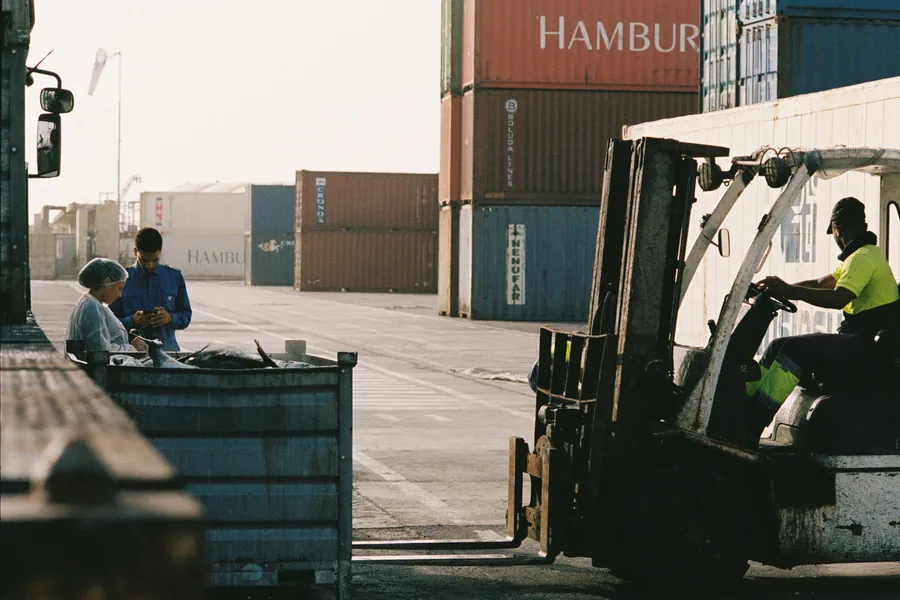 Barber highlights that one of the most notable shifts from last year’s PRSE is increased tensions in market conditions.Barber highlights that one of the most notable shifts from last year’s PRSE is increased tensions in market conditions.
“Energy prices and virgin polymer costs have a direct impact on recycling economics. This has highlighted how exposed the sector remains to external market forces. At the same time, policy momentum continues to build, creating both pressure and opportunity for the industry to adapt more quickly than before,” says Barber.
He adds that there is a growing awareness that “system-wide resilience is essential, not optional.”
The ongoing conflict in Iran and the wider Middle East has contributed to a sharp rise in oil and energy prices, as attacks on energy infrastructure and disruptions around the Strait of Hormuz have unsettled global supply routes and tightened markets.
The UK-based Independent Commodity Intelligence Services recently told Packaging Insights that disruptions caused by the Strait of Hormuz blockade are likely to impact polyolefin supply chains for months to come.
Recycled plastics cost
One issue that PRSE will address is the “persistent” cost competitiveness issues of recycled plastic versus virgin materials, says Barber. As manufacturers prepare for the PPWR, demand for recycled materials is rising, presenting producers with an opportunity to support recycled content targets in the EU.
“Other conversations at the event include scaling collection and sorting infrastructure, and improving the availability and quality of recyclate. There is also a strong focus on how innovation can help bridge the gap between policy expectations and operational reality,” adds Barber.
“The PRSE exhibition and conference provides a platform to share these developments, scale effective technologies, and strengthen collaboration across the sector to support the circular use of plastics.”