

PRSE 2026 live: Norner on scaling tech and design-for-recycling under PPWR


Key takeaways
- At PRSE 2026, Norner’s polymer experts Tanja Radusin and Ole Jan Myhre highlight recycling tech, AI, and decontamination innovations.
- The show spotlights scalable recycling solutions, transparency, and regulatory compliance under the EU’s PPWR.
- Collaboration across the value chain is key to driving circularity and overcoming recycling challenges, say Radusin and Myhre.

Recycling technologies focused on decontamination, AI, and regulatory compliance are set to take center stage at this year’s Plastics Recycling Show Europe (PRSE) in Amsterdam, Netherlands (May 5–6), according to Tanja Radusin and Ole Jan Myhre, packaging experts and scientists at Norner.
Norner is a polymer solutions consultancy that, through its Polymer R&D Center in Norway, offers expertise in product development, testing, and material optimization.
Packaging Insights sits down with the pair to discuss key themes for the PRSE 2026, highlighting cross-value chain collaborations, AI, and packaging design, as well as data collection under the EU’s Packaging and Packaging Waste Regulation (PPWR), as key to plastic recycling success.
“At PRSE 2026, we expect discussions to be dominated by design-for-recycling under PPWR, food-contact safety, and the gap between recyclability claims and real-world recycling performance,” say Radusin and Myhre.
“We are particularly interested in innovations around improved decontamination and sorting precision, where small technical improvements can unlock major regulatory and circularity gains.”
Above all, the Norner professionals hope the show sparks stronger collaborations between designers, recyclers, and brand owners, as it is “system-level partnerships that will turn the EU’s PPWR ambitions into practical, compliant packaging solutions.”
Discussions around scaling effective recycling systems and packaging solutions are also set to dominate the show. Radusin and Myhre explain that recent regulations are shifting the conversation from “Can it be recycled?” to “Will it be recycled at scale and safely?”
Scaling recycling with tech
Radusin explains that at this year’s show, the “most interesting” breakthroughs are not new polymers, but the technologies that can help scale recycling.
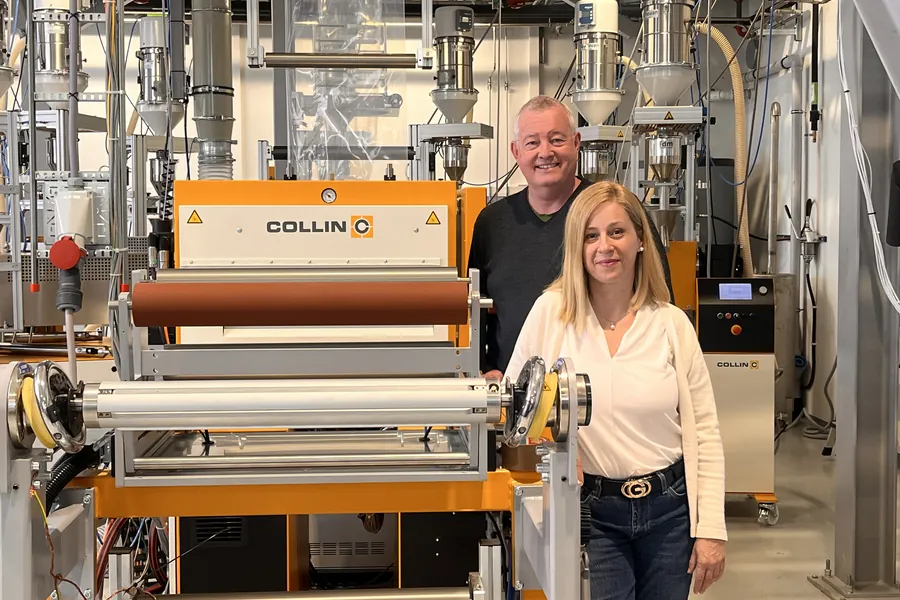 Radusin and Myhre advocate for partnerships across the value chain, including technology providers, recyclers, converters, and brand owners.She says: “We’re seeing AI-driven sorting move from pilot projects into real industrial operations, changing how plants run day to day. There’s also a strong focus on traceability and data, driven by PPWR, as the industry shifts from trust-based claims to verifiable recycled content.”
Recently, Innova Market Insight identified its Top Packaging Trend for 2026 as “Substantiated Sustainability,” as regulators and consumers increasingly expect packaging sustainability claims to be scientifically validated.
In addition, Radusin says that at PRSE 2026, she expects more attention to be given to other hard-to-recycle materials, not just PET and polyolefins.
“We expect that this year is about automation, transparency, and solutions that are ready for regulation, not just headlines,” she adds.
Industry realism
Myhre notes that since PRSE 2025, the industry mood has shifted from “optimism to realism.”
“The focus is no longer on endless capacity growth, but on whether recycling can work economically under today’s market and regulatory pressure. We’re seeing investment slow down, more caution around chemical recycling, and much sharper attention on compliance with PPWR rather than voluntary commitments.”
At the same time, adds Myhre, quality now outweighs quantity, particularly in food-contact applications.
“Overall, the big shift isn’t a new technology, but a shared recognition that policy, standards, and viable design will ultimately decide what succeeds.”
At last year’s PRSE, we spoke to Nikolas Wolf, head of regional sales Europe at Krones, to discuss the company’s recycling strategy and its recycled-content solutions.
Cross-industry collaboration
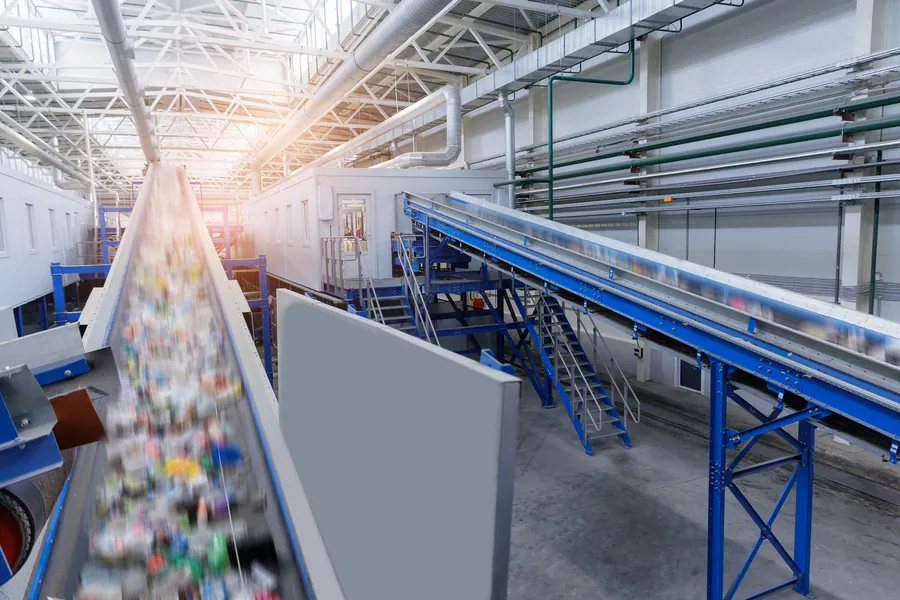 AI-driven recycling sorting is moving from pilot projects into real industrial operations, changing how plants run day to day, says Norner's experts.Norner’s polymer experts advocate for partnerships across the value chain, including technology providers, recyclers, converters, and brand owners, to drive efficient recycling systems.
“In such collaborations, our role is typically to contribute with technical expertise relating to material performance, application requirements, and the regulatory framework.”
Radusin and Myhre add that this includes supporting the development and verification of recyclability, carrying out testing and validation of sorting efficiency, PCR quality, migration behavior, and associated risk assessments, as well as application-driven pilot testing and end-use validation.
Last week, at the Rethinking Materials show in London, UK, Packaging Insights spoke to a Kraft Heinz spokesperson, who also emphasized cross-industry collaboration as fundamental to circular packaging success.
Radusin and Myhre conclude: “Norner also evaluates emerging technologies that may enable improvements in material properties or application performance.”
“We’re excited to take part in PRSE once more, an event that's become a valued springtime tradition for us at Norner.”