



Top Packaging Trends 2026: Navigating sustainability, digital innovation & consumer-centric design

Key takeaways
- Consumer demand for scientifically verified environmental claims is rising, driven by stricter regulations and consumer willingness to pay more for credible, sustainable packaging.
- Digital technologies such as AI, QR codes, and augmented reality enhance consumer engagement, traceability, and brand connections, while personalized packaging fosters emotional appeal.
- Smaller, portable packaging that supports healthier, on-the-go lifestyles is becoming more popular, with a focus on functional benefits like portion control and extended product freshness.
Innova Market Insights has announced its Top Packaging Trends 2026, with “Substantiated Sustainability” taking top spot. This trend emphasizes the need for verified environmental claims, driven by stricter regulations, such as the EU Packaging and Packaging Waste Regulation (PPWR). Global consumers are willing to pay more for sustainable packaging but are wary of greenwashing, meaning brands must back sustainability claims with scientific evidence.
The second trend, “Digital-Enhanced Designs,” highlights the growing role of digital technologies like AI, augmented reality, and QR codes in packaging. These innovations improve consumer engagement and product traceability, while digital product passports offer detailed lifecycle data.
The third trend, “Health-Forward Convenience,” reflects the demand for smaller, portable packaging that supports healthier lifestyles. The fourth trend, “Packaged for You,” highlights the rise of personalized packaging to engage consumers. The fifth trend, “Sensory Unboxing,” emphasizes the growing demand for unique, engaging e-commerce packaging.
Packaging Insights will explore the Top Packaging Trends 2026 with Innova Market Insights in a webinar on June 11, 2026. You can register for free here.
Trend #1: Substantiated Sustainability
Environmental sustainability demands have dominated packaging innovation for over a decade. However, regulators and consumers increasingly expect packaging sustainability claims to be scientifically validated, as the industry invests more in recyclable and reusable solutions and bio-based alternatives.
The “Substantiated Sustainability” trend is driven by stricter regulation, notably the EU PPWR and the proposed Green Claims Directive. These rules require packaging to meet mandatory recyclability and recycled content standards and ensure that environmental claims are backed by verifiable evidence. For suppliers and brands, this shifts investment from claims-led innovation to data-backed compliance and traceability.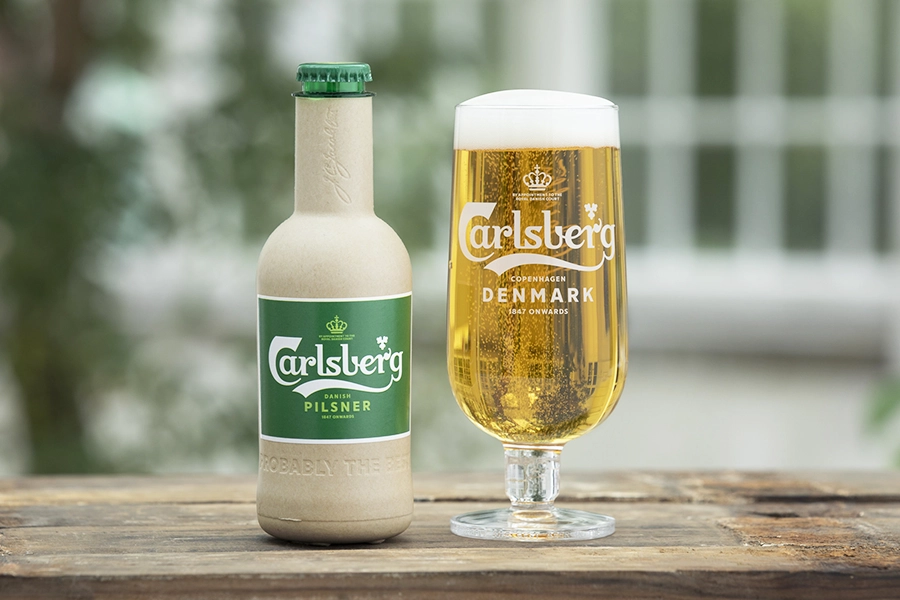 Carlsberg’s Green Fibre Bottle exemplifies “Substantiated Sustainability,” using lifecycle data and certified bio-based materials to meet consumer demand for verified eco-friendly packaging.
According to Innova’s latest packaging consumer survey, most global consumers agree (43%) or strongly agree (27%) that sustainability is a serious issue that needs to be addressed immediately. Likewise, most say they like (34%) or love (31%) sustainable packaging, and an overwhelming 85% say they are willing to pay more for it.
However, many global consumers say they believe (22%) or strongly believe (9%) that sustainability is only a marketing tactic in F&B.
“Packaging sustainability has moved from a marketing advantage to a compliance obligation. With regulations like the EU PPWR and tighter green claims rules coming into force, brands must ensure every recyclability, recycled content, or carbon claim is scientifically substantiated and legally defensible,” Alisa Selezneva, senior analyst at Innova, tells Packaging Insights.
“At the same time, consumers clearly value sustainable packaging — and are willing to pay for it — but skepticism around greenwashing means credibility and transparency are now just as important as innovation.”
Innova tracked a 4% CAGR in sustainable packaging claims for F&B products globally from October 2020 to September 2025. “Recyclable” (38%) was the top environmental claim as a percentage of new F&B launches in this period, while “Carbon labeling” (1%) also featured. Europe was the leading region for sustainable packaging launches (38%), followed by Asia (25%).
Demonstrating how early movers can future-proof claims against regulatory scrutiny, Carlsberg’s Green Fibre Bottle is supported by lifecycle assessment data, certified bio-based materials, and transparent reporting on recyclability and carbon reduction. Rather than relying on broad green claims, the company backs its sustainability messaging with measurable, verifiable evidence.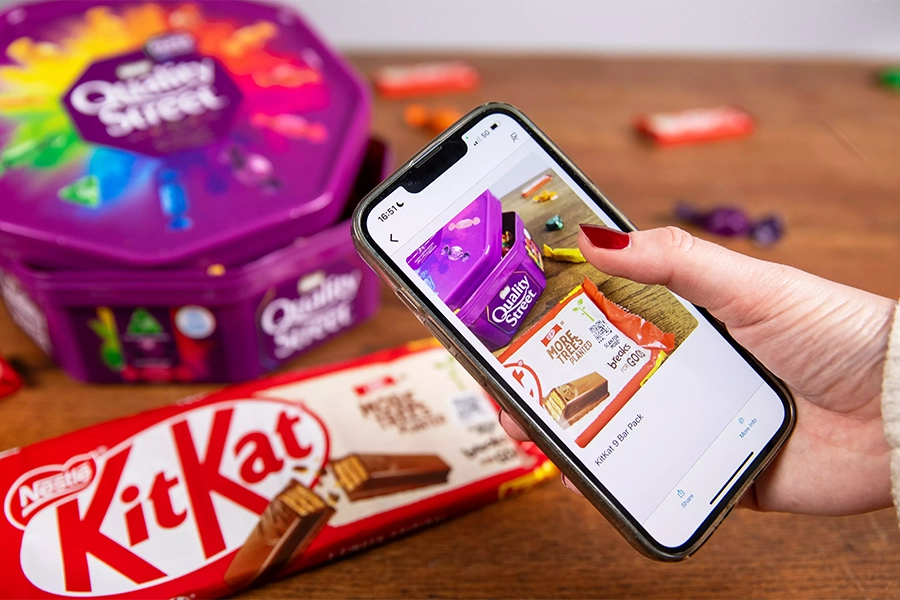 Nestlé’s smart packaging, powered by QR codes and blockchain technology, offers consumers transparency, real-time product updates, and a stronger connection to the brand’s sustainability efforts.
Trend #2: Digital-Enhanced Designs
Digital technologies, especially AI, are revolutionizing packaging by enhancing consumer interactions and traceability. Features like personalized recommendations and predictive freshness indicators are increasingly powered by AI, while augmented reality and QR codes deliver real-time content updates, strengthening brand connections.
Connected packaging technologies, like digital watermarks, also optimize sustainability and functionality, with digital product passports in the EU providing detailed product lifecycle data to promote transparency. Digital integration improves traceability and security, with blockchain ensuring authenticity and tamper-evident packaging.
According to Innova’s survey, 61% of global consumers say they at least sometimes interact with connected packaging, such as QR codes, on F&B packaging, while its data also indicates there has been a 28% CAGR in global F&B launches with QR codes (2021–2025).
“Packaging is rapidly shifting from a passive container to an interactive touchpoint, driven by AI, QR codes, and augmented reality,” says Selezneva. “These technologies empower brands to engage consumers with personalized experiences and real-time content, turning packaging into a dynamic communication channel.”
“With the EU’s Digital Product Passport initiative, product transparency is advancing. Consumers and businesses will soon access detailed lifecycle data, making packaging a key trust-building tool for sustainability, while rising QR code usage strengthens brand-consumer connections.”
Nestlé uses smart packaging with QR codes on products like KitKat and Nescafé, giving consumers access to recipes, brand stories, and real-time traceability via blockchain technology. These enhancements deliver transparency, foster consumer engagement, and build trust in the company’s sustainability efforts.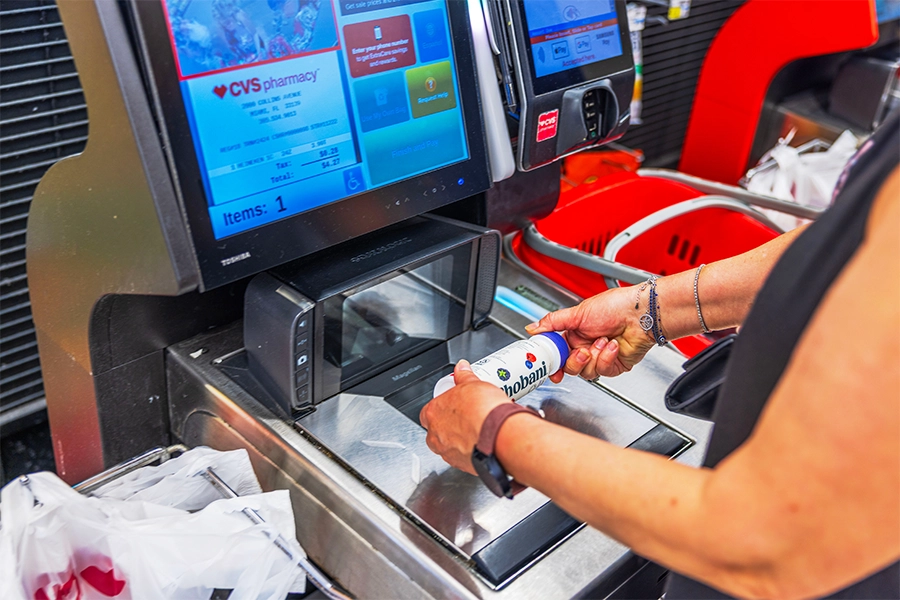 Chobani’s compact, high-protein yogurt drinks meet the growing demand for health-forward, on-the-go packaging, providing convenience and freshness for wellness-focused consumers.
Trend #3: Health-Forward Convenience
Convenient packaging is being driven by the demand for healthier lifestyles and on-the-go solutions. Smaller, portable packaging, especially in liquid formats, is increasingly popular and influenced by health trends, such as GLP-1 weight loss medications. A shift from frozen to ambient products enables easier storage and wider distribution, while durable caps and closures enhance shelf life and convenience.
Packaging is increasingly seen as a functional benefit, with portion-control packs gaining traction among wellness-focused consumers. Active packaging technologies, such as oxygen scavengers and moisture control systems, help extend product freshness. Additionally, packaging communicates health benefits like gut health and low allergens, enhancing value for health-conscious buyers.
Innova’s packaging survey reveals that most global consumers say product packaging is very important (44%) or extremely important (27%) to their F&B purchase choices. Likewise, most say that packaging is important (36%) or very important (44%) when traveling or commuting, and that they are extremely willing (18%) or very willing (33%) to pay more for products that stay fresher for longer. Even for premium F&B products, global consumers rank size as the most important packaging aspect, topped only by materials.
“Packaging is increasingly a functional benefit, with portion control packs popular among wellness consumers. As consumers seek packaging that highlights health benefits like high-protein, brands are leveraging packaging to stand out. With packaging playing a key role in purchase decisions, it’s critical for brands to focus on convenience and consumer health needs,” says Selezneva.
Innova tracked a 14% CAGR in Soft Drink product launches smaller than 150 mL (2021–2025), and a 26% increase in these launches from 2024 to 2025. Chobani Complete exemplifies small-format, high-protein dairy packaging with its single-serve yogurt drinks, offering 15–20 g of protein per bottle. Designed for on-the-go convenience, the compact packaging meets the growing demand for portable, health-focused F&B.
The global market researcher also found an 11% CAGR for snacking formats smaller than 50 g (individually packaged) (2021–2025), and a 62% increase in these launches from 2024 to 2025. Rxbar Protein Bar is a ubiquitous example of smaller‑format packaging for health‑conscious consumers. This single‑serve, grab‑and‑go snack is packaged in a compact, portable format that delivers 12 g+ of protein.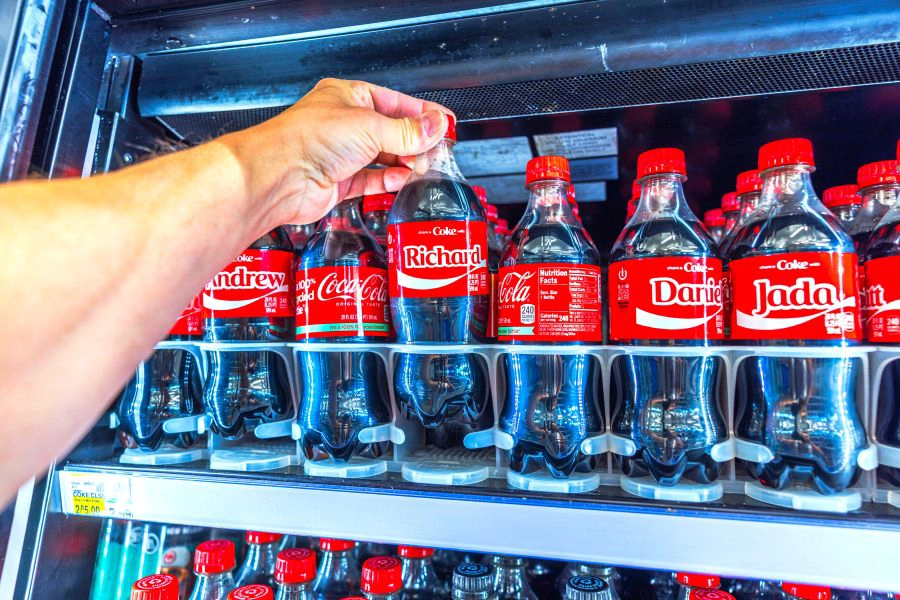 Coca-Cola’s “Share a Coke” campaign brings consumers closer, demonstrating how custom designs can drive engagement and boost sales.
Trend #4: Packaged for You
Personalized packaging has become a key tool for brands to boost consumer engagement and loyalty. By using digital printing and variable designs, brands can create limited edition or regionally tailored packaging, making products feel exclusive. They can also foster emotional connections through design elements that reflect local culture or individual experiences.
“Beyond emotional appeal, personalized packaging can meet practical needs like convenience, occasion-specific designs, and inclusivity,” explains Selezneva. “Seasonal and kids’ packaging drive excitement, while collaborations with influencers or brands add exclusivity. Social media helps tailor packaging experiences to consumer preferences, enhancing brand differentiation and connection.”
Innova tracked, for instance, a 20% CAGR (2021–2025) in new product launches with a specific women-related claim, including a 32% year-on-year growth from 2024 to 2025. According to the company’s consumer survey, color and design are still the most important aspects of packaging for global consumers, followed by sustainability, then size and shape.
Coca-Cola has embraced personalization with its “Share a Coke” campaign, replacing its logo with popular names and terms of endearment on bottles and cans. The packaging encouraged emotional connections and social sharing, as consumers sought out bottles with their own names or those of friends and family. The campaign reportedly boosted sales and engagement, demonstrating how personalized packaging can foster a deeper connection with consumers at scale.
Trend #5: Sensory Unboxing
The sensory unboxing trend in e-commerce packaging reflects growing consumer desire for a more engaging, controlled shopping experience. As online shopping continues to rise, customers expect packaging that enhances the unboxing moment, with customization playing a key role.
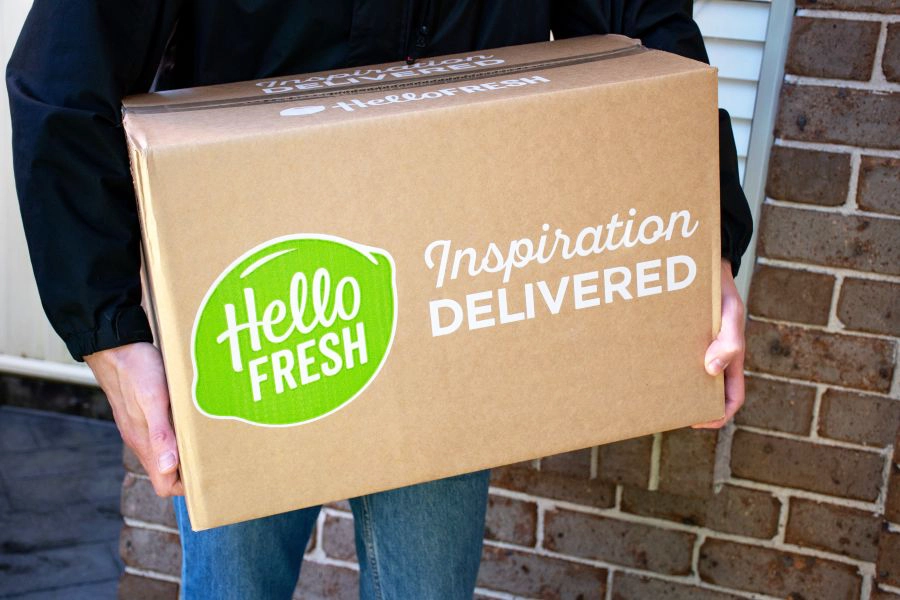 HelloFresh creates a sensory unboxing experience with eco-friendly, functional packaging that keeps ingredients fresh while engaging consumers with a visually appealing, organized layout.Consumers increasingly prefer packaging that feels unique, incorporating sensory elements like texture, color, and scent to create a memorable experience. Social media amplifies this trend, with users sharing unboxing moments, further emphasizing the importance of these sensory details.
“In e-commerce, the focus has shifted from convenience to creating an experiential moment during delivery,” says Selezneva. “Consumers now want packaging that adds value through sensory engagement, including tactile feel, sound, and visual appeal. This experience-driven approach highlights how customization in packaging can strengthen brand loyalty.”
DS Smith’s Unboxing Consumer Preferences survey reveals that US consumers’ e-commerce packaging preferences include minimizing empty space, avoiding materials like styrofoam, and seeking intelligent packaging with sensors. Additionally, consumers want packaging that connects them to exclusive content via QR codes, highlighting a trend toward sustainability, customization, and experience-driven delivery.
Similarly, Mondi’s sixth annual e-commerce trend report revealed that 90% of European consumers prefer brands that use recyclable, e-commerce packaging that is the correct size for the product. However, only half say they trust brands’ sustainability claims, underscoring the need for transparency.
HelloFresh’s meal kit packaging is designed to be highly functional yet visually appealing, offering a clean, organized unboxing experience. Each ingredient is neatly separated in eco-friendly materials, which enhances the tactile experience while ensuring freshness. The use of color-coded labels and clear instructions adds a sensory element, making it easy for customers to interact with the product.