



Tetra Pak talks balancing packaging decarbonization and food security concerns


Key takeaways
- Tetra Pak discusses balancing packaging decarbonization with food security through aseptic packaging.
- Aseptic cartons can help reduce food waste, extend shelf life, and support circular packaging systems.
- Innovations in paperization and renewable materials can lead to carbon reduction and meet growing consumer demand for sustainable products.
Aseptic packaging plays a key role in extending shelf life without preservatives and improves food access, while supporting recyclable, low-carbon cartons and circular systems, all while meeting safety standards, according to Tetra Pak.
We sit down with a company spokesperson to find out more about the use of aseptic packaging to ameliorate food insecurity and lower environmental impact.
“A major trend right now is the continued focus on decarbonizing the global food systems. While food security underpins nutrition, public health, and long-term economic growth, it is increasingly important to address the environmental impact of food production alongside the need to feed a growing population,” the TetraPak spokesperson tells Packaging Insights.

“Sustainability in F&B systems, therefore, requires a systems-wide approach. Technologies that extend food shelf life without refrigeration or preservatives, such as aseptic packaging, are helping to reduce food waste, lower energy demand, and improve access to safe, nutritious food.”
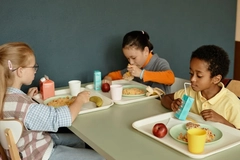
TetraPak says industry collaboration with governments and NGOs, including long-established school feeding and nutrition programs, plays “a critical role” in addressing food insecurity while delivering long-term social value.
“We expect the F&B sector to intensify its focus on decarbonization, resource efficiency, and measurable impact at scale, as businesses shift from ambition to action. Sustainability makes commercial sense; consumers are actively rewarding brands that demonstrate credible and sustainable moves.”
According to the multinational packaging giant, 75% of consumers say they are concerned about environmental issues, leading to the accelerating demand for products that are responsibly sourced and produced.
“It is up to businesses to meet this demand and reap the commercial benefits.”
Paperization, decarbonization, scalability
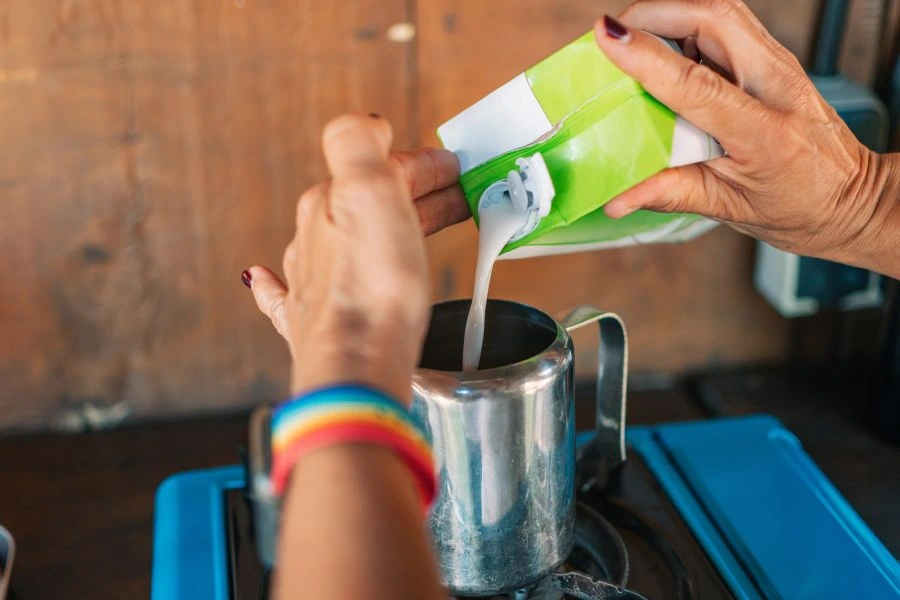 Aseptic cartons facilitate food security by prolonging food shelf life without the need for refrigeration.Tetra Pak spots three key sustainability trends in packaging for 2026: accelerated material paperization, rising demand for verifiable carbon reductions, and greater pressure to deliver circular outcomes at scale.
“Our consumer research shows recycling, waste reduction, and renewable materials remain top priorities globally, with growing expectations for clear, credible proof of impact rather than broad sustainability claims. We expect this trend to continue outside of packaging and more generally in the F&B industry.”
“Cartons continue to be recognized as one of the most environmentally sound packaging options for F&B products. For consumers, their convenience is just as important as sustainability.”
Aseptic cartons facilitate food security by prolonging food shelf life without the need for refrigeration.
Tetra Pak aims to combine prolonged shelf life with carbon reduction with its cartons, which replace the traditional aluminum foil layer with a combination of paper-based barrier and plant-based polymers.
The new aseptic carton is said to achieve up to 92% renewable content and to deliver up to 43% lower carbon footprint.
“This innovation directly responds to rising consumer demand for alternatives to fossil-based materials. We found that 61% of consumers say they are more interested in solutions that reduce reliance on fossil plastics.”
“We are working with partners and continuing to innovate to drive increased paperization and support the advancement of recycling processes, and plan to continue this in the year ahead.”
Opportunities in F&B packaging
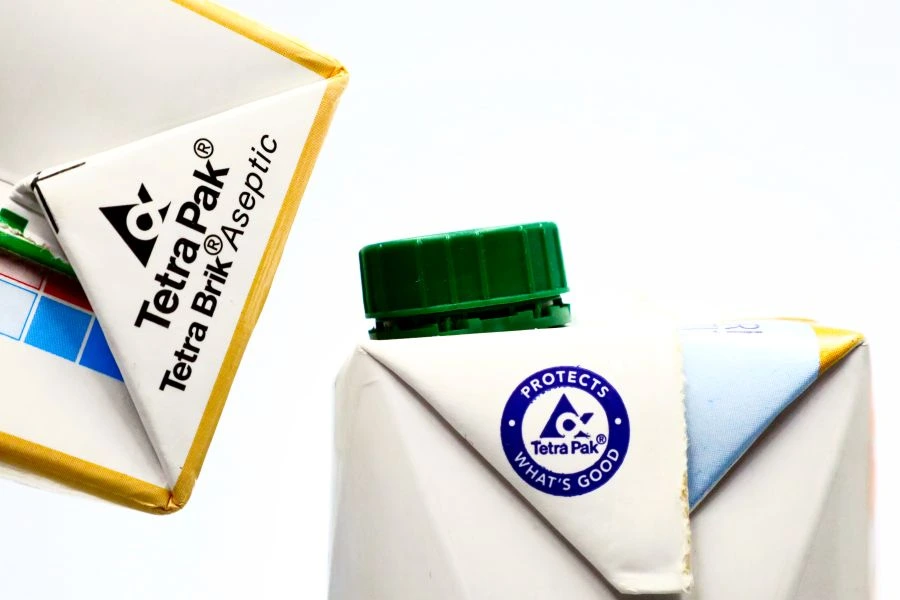 Tetra Pak’s paper-based barrier for cartons replaces the traditional aluminum foil layer.Across the F&B packaging industry, the strongest sustainability opportunity from a capital equipment perspective is the increasingly compelling business case for best-practice solutions, the Tetra Pak spokesperson says.
“As food, water, and raw materials become more expensive, and there is increased demand on these resources, investments in sustainable processing and packaging technologies are delivering stronger returns through lower operating costs, improved efficiency, and reduced risk.”
As sustainability becomes a stronger purchase driver, success will depend on solutions that fit seamlessly into everyday consumer behavior, the spokesperson argues.
“F&B manufacturers are looking to packaging and processing suppliers for leadership in this transition, with 65% citing NPD as key to adopting more sustainable practices. At Tetra Pak, supporting customers on their sustainability journeys remains a core priority.”
Material science and technology
Advances in material science and technology are accelerating the shift toward renewable, responsibly sourced materials, the Tetra Pak spokesperson continues.
“Our paper-based barrier technology is a clear example of how targeted R&D can deliver step-change carbon reductions, and increase paper content while keeping package performance and food safety standards.”
 Tetra Pak says packaging innovation is critical to ensuring sustainability across the F&B industry.Looking ahead, the expert expects technology and innovation to be critical in unlocking sustainability goals and increasing circularity across the F&B packaging industry. “At Tetra Pak, this means investing not only in materials innovation, but also in the systems that enable circular outcomes at scale.”
“In 2024, we invested €42 million (US$49.6 million) to advance our collection and recycling targets, and we will continue to strengthen collection and recycling value chains worldwide to ensure sustainable packaging can be effectively recovered and recycled.”
“Beyond packaging, digitalization. and automation are helping F&B producers cut energy use, reduce food loss, and minimize waste while maintaining food safety and operational performance.”
The spokesperson emphasizes the need for sustainability considerations not to come at the expense of food safety. “The food systems of the future are rooted in sustainability and safety.”