


Yale study: Biodegradable plastics cut waste but risk higher emissions


Key takeaways
- Biodegradable plastics have the potential to cut pollution, but only if supported by proper composting and waste management infrastructure, according to scientists.
- Without adequate systems, biodegradable plastics may backfire, potentially doubling GHG emissions and increasing water use.
- The researchers stress combined action on biodegradable and conventional plastics, calling for investment in infrastructure, financial incentives, and clear labeling.
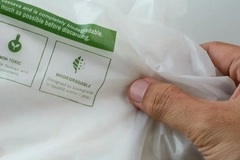
A study conducted by Yale University, US, shows that biodegradable plastic has the potential to reduce packaging waste but warns that, without proper composting facilities, biodegradables could double GHG emissions.
Published in Nature Reviews Clean Technology, the research is said to be the first to project the environmental impact of biodegradable plastics through their entire lifecycle at a global scale.
The study, conducted by the Yale School of the Environment, reveals that substituting as much conventional plastic as possible with biodegradable alternatives could decrease ecotoxicity up to 34% by 2050, with little change to energy demand. It could cut global waste accumulation up to 65% when combined with proper waste management for conventional plastics.

Yuan Yao, an associate professor of industrial ecology and sustainable systems, and the study’s senior author, says: “Biodegradable plastics can help with plastic waste accumulation and ecotoxicity, but the benefits may not hold if their end-of-life isn’t managed properly.”
“Biodegradable plastic is not just one thing. It’s a very big group of different kinds of plastics, so one important question is how we label those different materials and educate consumers about the differences. We need to have more infrastructure for the proper treatment of biodegradable plastics, and we need to have good education on how to use them.”
Impact of bioplastic production
The research results show that switching to bio-based, biodegradable plastics does not significantly reduce the plastic industry’s overall energy use. However, it increases water consumption, mainly because of the water-intensive agricultural cultivation for growing the raw materials.
 Localized considerations and consumer education can maximize the environmental benefits of biodegradable plastics.The scientists highlight the importance of financial incentives, such as investments and subsidies for manufacturers and end-of-life treatment infrastructure, for expanding the market for biodegradable plastics. Additionally, the study notes that implementing surcharges could discourage landfilling.
Zhengyin Piao, lead author of the study, says: “Conventional plastics will still dominate the future plastic market, and if we do not address conventional plastics, we cannot effectively reduce waste accumulation. But if we consider a combined strategy — minimizing the landfilling of conventional plastics and increasing use of biodegradable plastics at the same time — we can flatten the trend of future waste accumulation.”
The researchers note that the growing biodegradable plastics market needs to maximize its environmental benefits. This includes further research in water-efficient raw materials and investment into waste management infrastructures, from anaerobic digesters for biodegradable plastics to recycling and treatment facilities for conventional plastics.
They also stress the need for clear, standardized labeling so consumers know how to sort and dispose of packaging properly, helping to avoid confusion. This is due to the fact that bioplastics can often be challenging to dispose of, with various options depending on the material and local waste management infrastructure.
Packaging Insights recently spoke to Aimplas, Avantium, and Oceana about viable options for the end-of-life management of bioplastics, including composting, recycling, and reuse.