



California SB 54 faces legal challenge amid mixed industry reactions


Key takeaways
- Environmental groups are set to challenge SB 54, claiming CalRecycle exceeded its authority and weakened recycling goals.
- Critics highlight loopholes in plastic reduction, free rider issues, and potential approval of hazardous chemical recycling.
- Industry is split on the law’s effectiveness and environmental impact.

In the US, California’s landmark SB 54 EPR law is facing legal scrutiny from environmental NGOs, who argue it undermines the law’s initial recycling and plastic reduction goals.
Natural Resources Defense Council (NRDC) and Californians Against Waste will challenge the law in court, focusing on whether CalRecycle — the state agency responsible for administering and implementing SB 54 — acted beyond its mandate by adopting regulations that conflict with the law’s legal obligation.
SB 54, also known as the Plastic Pollution Prevention and Packaging Producer Responsibility Act was approved by California’s Office of Administrative Law in May. It aims to cut packaging waste by 25%, reach a 65% recycling rate for single-use plastics, and make all single-use plastics recyclable or compostable.

Industry stakeholders have announced their support of the law, such as sustainability advocacy group As You Sow, the Circular Action Alliance, and the National Stewardship Action Council. But environmental organizations have announced their disapproval of the “weakened” regulation.
“The biggest problem is that the regulations create broad pathways for certain types of plastic packaging to avoid the law’s reduction and recycling requirements altogether,” Nick Lapis, director of advocacy at Californians Against Waste, tells Packaging Insights.
He adds that despite the law’s initial stringent requirements, the final rules create exemptions and a “‘free rider’ problem with fewer companies paying into the system and higher costs for those who are covered.”
Avinash Kar, senior director of the toxics program at NRDC, says: “These new rules create huge loopholes for plastic packaging that violate the law. We expect to challenge this in court.”
In response to Packaging Insights’ inquiry into the legal challenge, CalRecycle states: “We do not comment on pending or potential litigation. The department remains focused on implementing SB 54 and advancing requirements established in statute.”
Regulatory overstep?
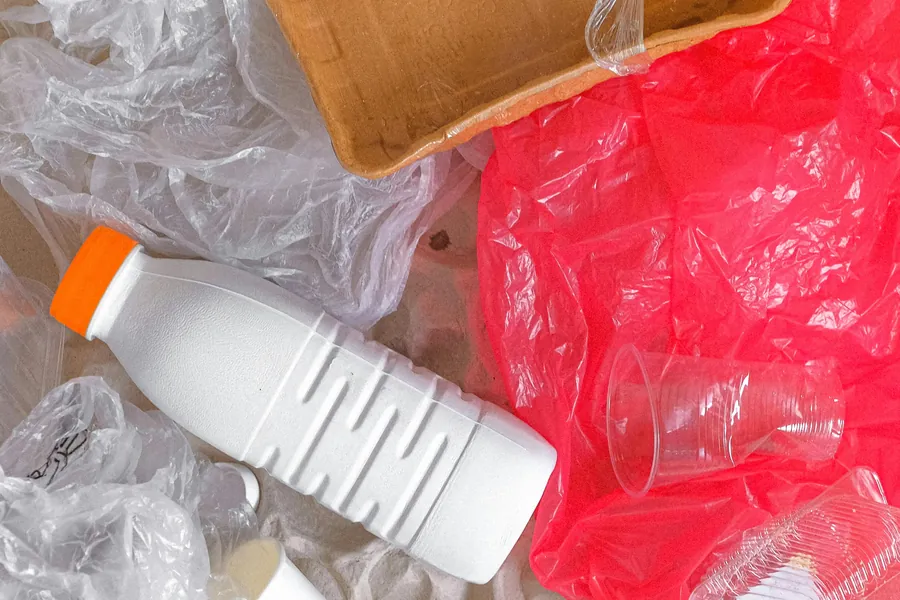 Lapis argues that SB 54 creates “broad pathways” for certain plastic and packaging types to be excluded from the laws recycling requirements.CalRecycle oversees California’s EPR, manages the Advisory Board, tracks packaging waste, reviews plans and budgets, publishes the material list, and reports recycling rates.
Zoe Heller, director at CalRecycle, said after approval of SB 54 that, “with strong state oversight, producers will be accountable for designing less wasteful packaging and funding systems to make sure their materials are collected, reused, and composted or recycled when consumers are done with them.”
Lapis explains that the environmental groups’ legal challenge focuses on whether CalRecycle “exceeded its authority” by adopting revised legislation that contradicts SB 54’s statutory requirements.
“At the core of this case is the principle that agencies have to implement laws as written,” he adds.
Industry involvement
During CalRecycle’s push to implement SB 54, stakeholders, including industry and environmental organizations, were able to submit written comments. CalRecycle considered these comments as part of its regulatory development process.
“If agencies can weaken major environmental protections through the regulatory process, it creates uncertainty not just for advocates and communities, but also for businesses trying to plan around clear rules and long-term policy goals.”
Last year, Heidi Sanborn, founder of the US National Stewardship Action Council and the California Product Stewardship Council, told Packaging Insights that representatives of the packaging industry undermined the bill’s intent.
Chemical recycling
 The EPR aims to hold producers accountable for packaging waste and fund recyclability systems, says Heller.NRDC and Californians Against Waste also argue that SB 54 will allow “hazardous” recycling methods, like chemical recycling, to go unchecked.
Lapis says: “We are very concerned about the way the regulation treats certain chemical and thermal processing technologies as recycling, even when those processes can generate significant pollution and hazardous waste.”
SB 54 aims to restrict such plastic processing technologies from being counted as recycling. However, critics argue that the approved regulation could allow some chemical and thermal processes to qualify — largely due to ambiguous or unclear language in the legislation.
The industry continues to be split as to whether California’s SB 54 will reduce plastic pollution and drive innovation.
Recently, the Recycling Partnership told Packaging Insights that SB 54 has put pressure on packaging producers to design for recyclability and improve labeling, while Dr. Chris DeArmitt, described as one of the world’s leading plastics experts, previously told us the legislation is “100% certain to increase harm, materials use, litter, and waste.”