


Hemp-derived plastic can serve as renewable alternative to PET, study finds


Key takeaways
- US researchers developed a non-toxic, hemp-derived plastic suitable for films, coatings, packaging, and consumer products.
- The material features characteristics including transparency, toughness, thermal stability, and melt processability.
- Scientists say hemp-based plastics could lower dependence on fossil fuels, reduce environmental impact, and create new economic opportunities.
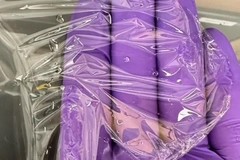 (Image credit: Gregory Sotzing).
US researchers have developed a non-toxic plastic alternative to PET derived from the hemp plant, a low-tetrahydrocannabinol variety of cannabis.
The study, published in Chem Circularity, has introduced polycannabidiol carbonate, a 92% bio-based thermoplastic synthesized from cannabidiol (CBD) extracted from hemp biomass. The material can serve as a renewable, PET-like plastic, according to the scientists.
Mukerrem Cakmak, corresponding author of the study and Reilly professor of materials and mechanical engineering at Purdue University, US, tells Packaging Insights: “Hemp-derived plastics such as CBD-based polycarbonate are promising alternatives to traditional petroleum-based plastics because they are produced from renewable plant-derived feedstocks rather than finite fossil resources.”
“In addition to reducing dependence on petroleum, these materials can offer a lower environmental footprint, potential biodegradability or improved recyclability pathways, and compatibility with more sustainable manufacturing approaches.”
“What makes CBD-based polycarbonate particularly attractive is that it is not only bio-based, but also designed to achieve the high-performance characteristics required of engineering thermoplastics, including transparency, toughness, thermal stability, and processability comparable to conventional materials such as PET, PS, and polymethyl methacrylate (PMMA).”
Enhanced quality
The hemp material is said to be suitable for producing transparent plastic films and coatings. The team has achieved medium- to high-temperature stability and melt processability in the hemp-based polycarbonate.
“Unlike many first-generation bio-based plastics that are limited by brittleness, low heat resistance, or narrow processing windows, CBD-based polycarbonate can be engineered to function as a ‘drop-in replacement’ for existing commercial plastics,” says Cakmak.
“The rigid and chiral molecular structure of CBD provides unique opportunities to tailor mechanical, optical, and thermal properties while maintaining melt-processability using conventional polymer processing equipment.”
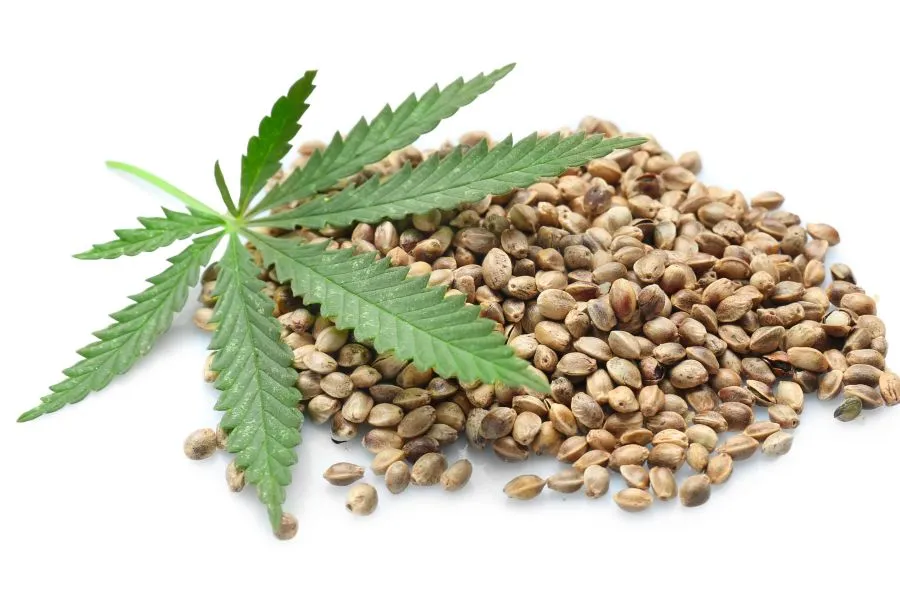 CBD is a non-food aromatic compound extracted from hemp.“This combination of sustainability and advanced performance differentiates CBD-based polycarbonates from many other bio-based plastics and positions them as a next-generation platform for packaging, consumer products, optical materials, and engineering applications.”
Safety, environmental & economic benefits
Gregory Sotzing, corresponding author of the study and professor of chemistry at the University of Connecticut, US, tells us that the plastics were designed by recognizing CBD as a natural bisphenol capable of replacement of bisphenol A (BPA), which is used to make polycarbonate.
Previous studies have found that BPA in plastic packaging may increase the risk of intestinal and brain health problems.
“After its incorporation into a plastic, CBD polycarbonate exhibits polyolefin hydrophobicity, exhibiting a water droplet contact angle of 100 degrees compared to PE at 98 degrees,” says Sotzing.
Cakmak adds that the expansion of hemp cultivation and the development of hemp-based plastics could also provide environmental and economic benefits.
“From an environmental perspective, hemp is a rapidly renewable crop that grows efficiently with relatively low water and pesticide requirements compared to many conventional industrial crops. Hemp also absorbs substantial amounts of CO2 during growth, offering the potential to reduce the carbon footprint associated with plastic production.”
“Economically, scaling up hemp-based plastics could create new value streams for farmers, processors, and manufacturers by expanding the industrial use of hemp beyond traditional markets. The growth of domestic hemp-based manufacturing could encourage investment in bio-based materials infrastructure,” Cakmak adds.
“In addition, the ability to develop high-performance hemp-derived plastics compatible with existing polymer processing technologies could accelerate commercialization and adoption across packaging, automotive, electronics, and consumer product industries.”