





StePacPPC packaging extends dragon fruit freshness on intercontinental routes


Key takeaways
- StePacPPC has developed a packaging solution to help preserve the freshness and quality of pitaya.
- The packaging balances oxygen, CO2, and moisture levels to reduce dehydration, slow respiration, and inhibit microbial decay.
- The solution aims to enable exporters to reach more distant markets with reduced food waste.
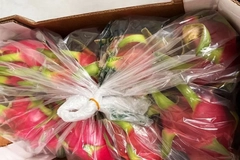
StePacPCC has developed a new packaging solution for preserving the freshness of pitaya, also commonly known as dragon fruit, during their journey from Ecuador to the US and Europe.
StePacPPC adapted the company’s Xtend Modified Atmosphere/Modified Humidity (MA/MH) bulk packaging films to accommodate the postharvest requirements of pitaya.
Gary Ward, chief technology officer at StePacPPC, says: “South American pitaya growers often struggle to reach distant markets with this high-demand delicacy. Even under optimal cold chain conditions, the long sea freight from Ecuador to North America and Europe takes its toll on the delicate fruit, resulting in weight loss, shriveling of the skin and the bracts, a dulling of the characteristic brightly colored peel, accompanied on occasion by microbial decay.”

“These factors reduce the fruit’s appeal and marketability by the time it arrives at its destination. Most importantly, they negatively impact quality and freshness.”
“StePacPPC is at the forefront of packaging technology for fresh produce. We custom-design lean packaging that can preserve the freshness of tropical fruits for weeks on end. It accommodates longer storage, ensures smarter, more cost-effective logistics, improves quality, reduces food waste, and unlocks new markets for this category of fruits,” adds Ward.
Maintaining freshness
The packaging solution balances oxygen and CO2 concentrations and offers moisture control to protect the pitaya during extended storage and shipment. The packaging is said to reduce dehydration, bring down the respiration rate of the fruit, and inhibit microbial decay, thereby slowing fruit deterioration.
StePacPPC’s Xtend packaging can help preserve the vibrant color and glossy appearance of the pitaya, while protecting the firmness of the protruding bracts, which is an indicator of quality and freshness that tends to curl and wilt when dehydrated.
StePacPPC offers multiple film structures with antifog properties and varying water vapor transmission rates. According to the company, this allows for precise moisture management tailored to specific produce requirements, helping to reduce the risk of microbial decay with the prevention of excessive weight loss while maintaining product visibility.
In combination with the optimized modified atmosphere, these features aim to extend the shelf life of tropical fruits beyond that achievable with conventional packaging solutions.
“This breakthrough has created new opportunities for exporters, enabling them to reach more distant markets with fruit arriving in prime condition. This applies not only to Ecuador and South America but to other key producing regions, including Southeast Asia — a major hub for the cultivation and export of dragon fruit. The success in Ecuador epitomizes the way that StePacPPC identifies fresh produce pain points and then works with its customers to forge a new packaging paradigm,” says Ward.