

Fresh produce packagers innovate to expand shelf life, safety & lightweighting


Key takeaways
- Fresh produce packagers are prioritizing shelf-life extension and food safety through active, barrier, and ethylene-management packaging solutions.
- Sustainability pressures are accelerating lightweighting, PFAS-free materials, paper-based formats, and circular bio-based polymers.
- Industry players are balancing freshness, waste reduction, regulatory compliance, and consumer expectations for convenience and premiumization.
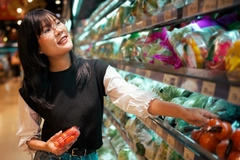
Food waste reduction, freshness, and safety are central to packaging decisions for fresh produce, according to industry experts. Meanwhile, environmental concerns are pushing packagers toward lightweighting, reuse, and paper-based solutions.
Packaging Insights speaks to Ampacet, Avantium, Avery Dennison, DS Smith, and Waste and Resources Action Programme (WRAP) about the key factors shaping the fresh produce packaging space.
“Produce packaging is set to evolve quickly as shifting consumer expectations reshape the category. With demand for healthier products like fresh fruit and vegetables rising, a third (34%) of retail leaders say changing consumer demand makes it difficult to keep up with trends,” tells us Pascale Wautelet, vice president of global R&D and sustainability at Avery Dennison Materials Group.
“This puts pressure on producers and manufacturers to ensure packaging innovation supports freshness, quality, and convenience — while also helping retailers reduce waste and maintain availability.”
In the year ahead, Wautelet expects faster innovation in materials and functionality, with packaging playing a bigger role in extending shelf life and protecting produce across distribution and shelf display.
“Sustainability will become non-negotiable, with an increased focus on circular food systems. The next generation of produce packaging will need to balance performance and environmental impact.”
What shapes packaging formats
According to research by Avery Dennison, almost half (48%) of retailers and supply chain leaders cite aesthetics as a leading cause of fresh produce waste, where “imperfect” items are harder to sell, highlighting the importance of packaging for food waste reduction.
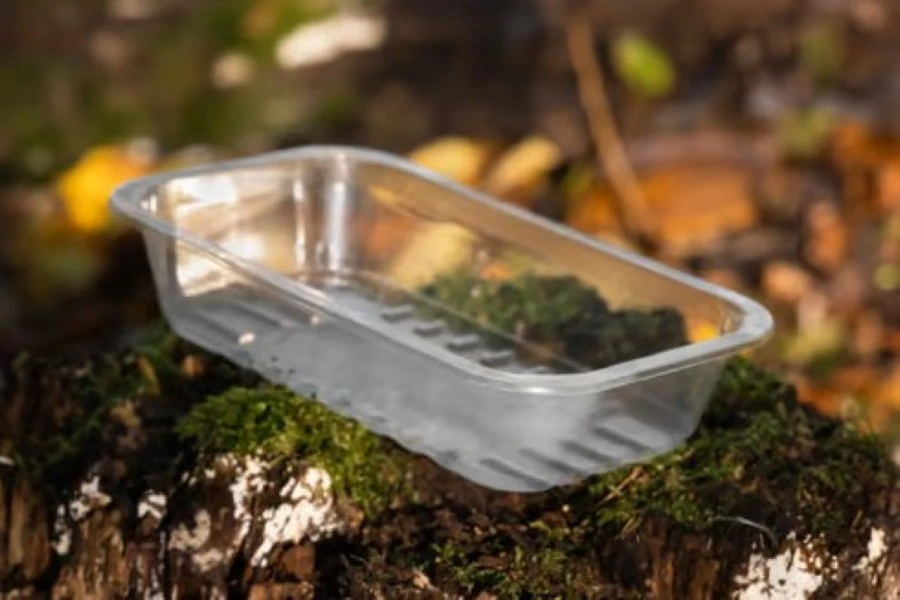 Avantium’s Releaf PEF tray suitable for fresh produce packaging (Image credit: Avantium). Wautelet says: “Packaging supports improvements by protecting produce in transit, while making the item more aesthetic when it’s sold.”
François Thibeau, strategic business manager for flexibles, E&E, and sustainability at Ampacet, says that fresh produce brands are focusing on functional innovation to reduce food waste. “Films and packaging are engineered to extend shelf life and enhance moisture control while ensuring they are free of Substances of Very High Concern.”
Bineke Posthumus, commercial director at Avantium, argues that the prioritization of shelf life, as well as regulations, is directing brands toward bio-based packaging adoption.
“Brands are favoring materials with high-performance barrier properties, like Avantium’s Polyethylene Furanoate (PEF), which significantly outperforms PET in retaining freshness. Lightweighting and efficient transport design are also shaping new packaging formats.”
Creating lasting freshness
DS Smith and Avery Dennison spotlight their packaging solutions for optimal fruit and vegetable freshness and extended shelf life.
Patricia Oddshammar, Design and Innovation director at DS Smith, says the Easy Bowl range for fresh produce reduces food and packaging waste.
“We have listened to market feedback and improved our product with a design that allows consumers to separate the plastic inner from the paperboard to make the recycling process straightforward while reducing the amount of plastic required for the thin laminated layer that is used in conjunction with our corrugated cardboard trays.”
 Vidre+ label by Avery Dennison and Fresh Inset slows ripening (Image credit: Fresh Inset).The DS Smith Easy Bowl runs on Multivac thermoforming packaging machines and tray sealers. The film’s barrier properties are said to facilitate equal or longer shelf life in comparison with conventional, modified atmosphere packaging.
“The innovation makes for a great sustainable alternative to plastic packaging for frozen, chilled, and ambient food.”
Meanwhile, Wautelet points to the recently rolled out Vidre+ labeling solution by Avery Dennison and Fresh Inset that gradually releases 1-Methylcyclopropene — a synthetic plant growth regulator, temporarily blocking ethylene receptors to slow ripening.
“This turns an everyday label into an active packaging component. It extends shelf life, improves appearance and quality, and reduces markdowns and rejected items.”
The label has a significant impact when used for spinach (up to ten days of good to excellent quality) and raspberries (up to 20 days of good quality).
“In China, we have deployed our Mr Fresh innovation and helped a leading e-commerce company, Tao Ying Jin Xuan, with its lychee distribution. The packaging helps keep fruit fresh in complex supply chains often affected by temperature and climate by regulating ethylene and pack conditions.”
Material safety
Ampacet’s Thibeau spots a shift toward “safer, more sustainable materials” as a key trend in fresh produce packaging. “PFAS-free solutions are leading the way as brands respond to consumer concerns about ‘forever chemicals’ and regulatory pressure.”
The company’s fresh produce packaging solutions leverage its PFAS-free Processing Aid Masterbatches, designed to replace traditional PFAS-based additives.
“These solutions maintain high-performance extrusion characteristics — eliminating melt fracture, reducing die lip build-up, and increasing output rates — while fully supporting regulatory compliance for food-contact materials,” says Thibeau.
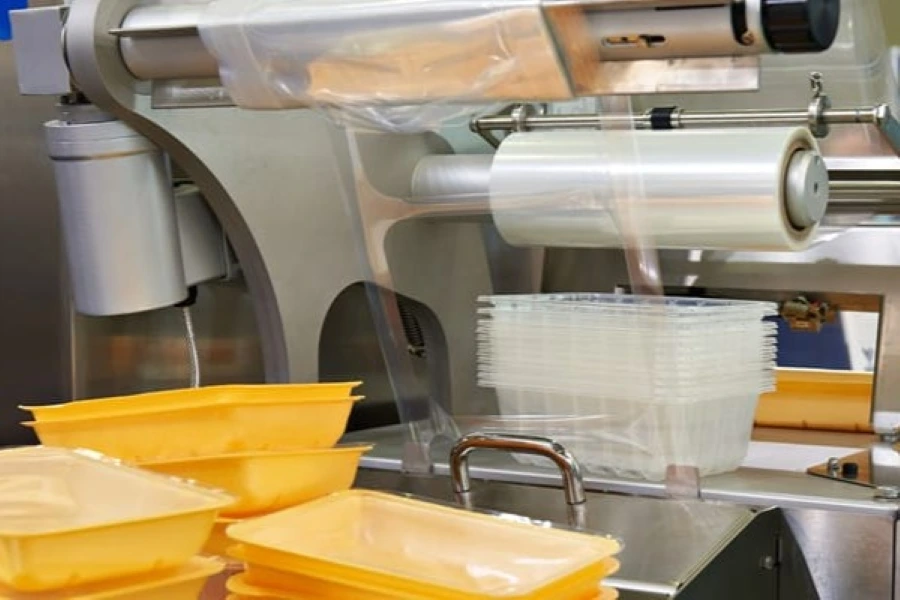 Ampacet’s PFAS-free fresh produce packaging solutions (Image credit: Ampacet).“Notably, they are aligned with the EU Packaging and Packaging Waste Regulation, which introduces strict limitations on PFAS in food-contact packaging, with enforcement starting on August 12th, 2026. By switching to PFAS-free additives, packaging producers can achieve safer, more sustainable films without sacrificing operational efficiency.”
Oddshammar adds: “DS Smith has invested in ensuring that our paper-based packaging for greasy food products is fully PFAS-free, and yet still meeting or excelling in performance expectations.”
Circularity in polymers
Avantium’s Posthumus argues that optimal produce packaging should combine circularity and technical performance.
“Avantium produces PEF, branded as Releaf, a fully plant-based and circular polymer material that raises the performance and sustainability of fresh produce packaging.”
“Releaf offers excellent barrier performance of up to ten times better oxygen, 15 times better CO2, and three times better water vapour barriers than PET, helping to significantly extend the shelf life of packaged fresh goods.”
Posthumus says the material has higher mechanical strength, enabling thinner and lighter packaging without compromising on durability. Releaf is designed to be renewable and recyclable.
“This supports brands in reducing material use. Additionally, Releaf has a significantly lower carbon footprint than conventional packaging materials such as PET, aluminum, and glass, offering a more sustainable solution for high-performance packaging needs.”
“There is also a strong momentum in high-value applications in Releaf — validated by collaborations in premium packaging segments such as wine bottles — where performance, branding, and sustainability come together. Current challenges include scaling production capacity.”
He highlights Avantium’s FDCA Flagship Plant in Delfzijl, Netherlands, as a critical step toward enabling broader commercial rollout of Releaf.
Premium paper and bundling
DS Smith’s Oddshammar says trends across the broader packaging industry are visible for fruit and vegetables, in particular paperization, premiumization, and convenience.
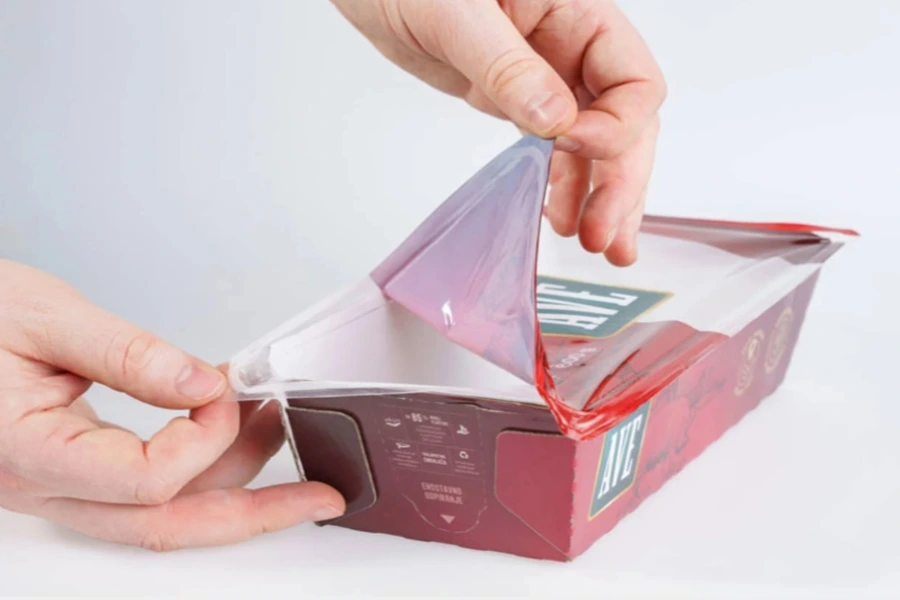 DS Smith's Easy Bowl can be used for fresh produce packaging (Image credit: DS Smith).Bundling, where multiple items are combined into a single packaging unit, targets consumers’ demand for convenience. “What once seemed unusual, like six apples in a tray, is now considered to be a standard practice across many markets.”
She notices a “return of premiumization where packaging needs to feel luxurious, high-quality, or exclusive.”
DS Smith’s solutions targeting these trends include its Super light corrugate, Comprehensive barrier program, and the Easy Bowl.
“Super light corrugate is a newly developed material lighter than plastic, offering excellent performance with a significantly reduced footprint.”
The company offers a range of barrier options that are suitable for fresh produce, ensuring the optimization of moisture, oxygen, and grease, as required, without compromising on recyclability.
Lightweighting and reuse
WRAP highlights the possibilities of fresh produce packaging reduction as a means of meeting environmental goals, in particular, minimizing packaging and food waste, and the use of virgin materials.
“Selling fresh produce loose, unless it can be shown that plastic packaging reduces overall food waste, is one solution for the fresh produce sector and retailers to explore,” a company spokesperson tells us.
“Packaging serves an important role in protecting certain fresh produce items through the supply chain. However, the majority of fresh produce is packaged using single-use plastic (around 70,000 metric tons each year), and while plastic packaging is overall a resource-efficient material, its production is heavily reliant on fossil fuels, and the use of virgin plastic exacerbates climate change.”
WRAP argues that instead of switching to packaging materials considered more “sustainable,” certain fresh produce items should be sold loose. The spokesperson outlines that this would have a “triple benefit” of reducing household food waste, single-use packaging, and saving the associated carbon emissions.