


Interpack 2026 live: Sealed Air’s vacuum pack solutions address market and regulatory pressures


Key takeaways
- Sealed Air presents its Darfresh vacuum skin packaging range to reduce plastic and extend shelf life at Interpack 2026.
- The company highlights trends like cost-effectiveness, plastic reduction, and compliance with industry regulations.
- Efrahin Avila Garcia, senior sales director at Sealed Air, discusses Sealed Air’s response to market volatility, regulations, and industry pressures.
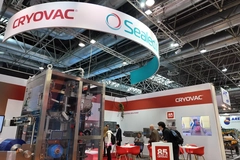
As Interpack 2026 gets underway in Düsseldorf, Germany, Sealed Air is presenting its range of vacuum-sealed food packaging solutions that respond to performance and regulatory demands.
This includes the Darfresh vacuum skin packaging system, which aims to enhance freshness, extend shelf life, and reduce environmental impact through less plastic.
On the show floor, Packaging Insights speaks to Efrahin Avila Garcia, senior sales director at Sealed Air, about the company’s vacuum solutions, as well as current industry trends and pressures.
“We are showcasing a lot of different solutions from our very extensive portfolio. One of them is our Darfresh skin stop web. This material is high-performance and has outstanding optics as the product is the main character of the pack,” says Garcia.

“The material is 80 microns and can be delivered in high-speed lines at over 100 products per minute, which means our customers can focus on running their production operations in an effective manner with a very high speed of production.”
The PE sealant 80 micron top webs are compatible with Sealed Air’s Cryovac Darfresh on Tray, Darfresh roll, and Vacuum Tray packaging systems.
Garcia adds that the solution reduces plastic amount by close to 40%, which can reduce cost and plastic scrap, “saving on the operations for managing data scrap after it is produced.”
Matching cost with performance
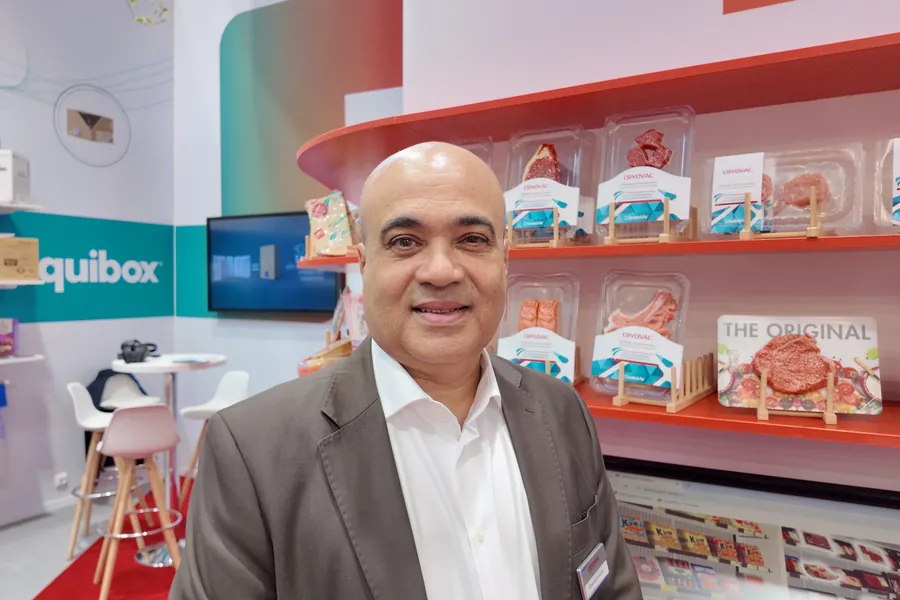 Efrahin Avila Garcia, senior sales director at Sealed Air.Current trends that Sealed Air’s solutions are responding to are cost effectiveness, plastic reduction, regulations, and product performance, according to Garcia.
“Our customers have always asked for cost-effective and high-performance solutions. We also look at solutions that use the least plastic possible, going as thin as possible, but that still deliver performance.”
Garcia notes that Sealed Air has created some of the most widely used packaging formats today: vacuum trim bags, barrier display film, and skin packs in cryo.
“We innovate in an integrated way, trying to see how a product will perform in a customer’s real production conditions because not everything is about reducing plastic or getting rid of it,” he adds.
“We look at a solution from an overall perspective. For example, savings and ability to comply with regulations mean that everything, not only the pack, but also energy consumption, water consumption, the time it takes to produce at company sites, are understood.”
Responding to industry pressures
Sealed Air is also responding to industry pressures such as regulations and market volatility.
Garcia says: “One way [to respond] is to generate, manufacture, and define our portfolio to meet those regulations in the best way we can, as they’re not fully published in detail.”
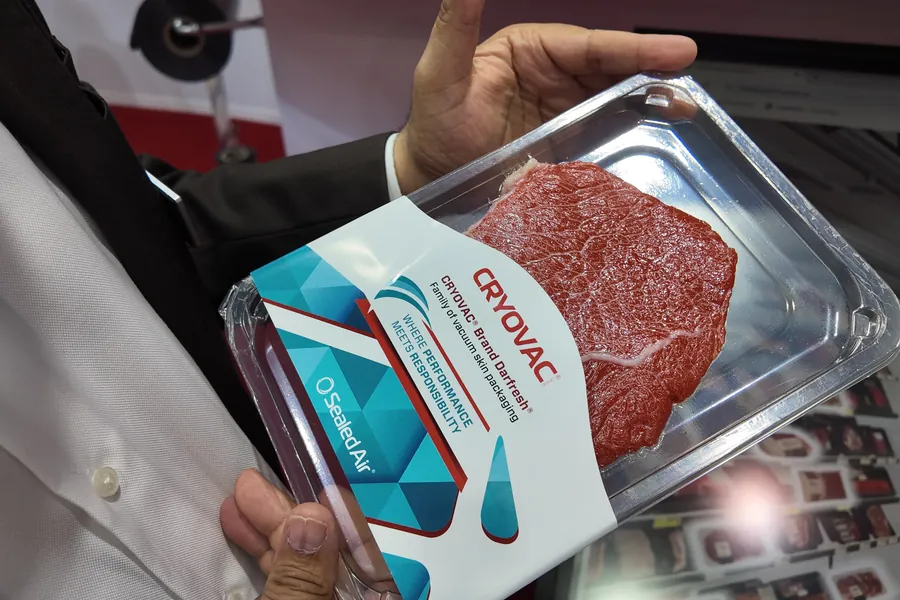 The Darfresh skin stop web is 80 microns and can be delivered in high-speed lines at over 100 products per minute, says Garcia.“The EU Packaging and Packaging Waste Regulation is the regulation all the actors in the industry are dealing with the most right now. It is a very significant change for the whole of Europe. It’s been published, but it’s not yet here, and there are many decisions still to be taken to make it a reality.”
He says that the regulation will expand in the next several years and that the whole packaging industry will need to change.
“Many of Sealed Air’s decisions to invest are not only related to our own strategies in simplifying stock, for example, making packs as thin as possible but still deliver on performance, but now investments are made to meet regulations.”
“This is why it’s not something any company can do in one year. It must be a part of the whole strategic planning, which is the way Sealed Air is approaching these regulations — to try to make it right according to the regulations, but at the same time, still allow our customers to enjoy the performance.
Market volatility due to conflict in the Middle East has put pressure on the packaging industry. The past few months have seen an increase in recycled content, disrupted polyolefin supply, price hikes for glass, and aluminum shortages, as the blockade of the Strait of Hormuz continues.
While Garcia explains that the situation is “tough,” he tells us about Sealed Air’s long presence in the packaging industry.
“It’s been 85 years since the cryobag existed on the market. We’ve been through many other similar and even worse situations. Sealed Air has the experience to traverse and go through this situation now.”
Garcia concludes: “We are leveraging our global network to facilitate our main commitment, which is ensuring the supplies reach our customers. As long as we are committed to our customers and the business, we’re defending our right to stay in the business.”
With live reporting from Milana Nikolova at Interpack 2026.