




Majority of US and global consumers support DRS, survey finds

Key takeaways
- A new survey commissioned by Every Can Counts reveals 58% of US consumers and 71% of global respondents support DRS.
- Eighty-eight percent of participants trust that DRS containers are effectively recycled, highlighting confidence in recycling programs.
- US beverage containers with a deposit are recycled at rates up to 75%, far exceeding those without, as the country aims for a 70% recycling rate by 2030.

Most US consumers are in favor of DRS, with even greater support shown globally, reveals a new survey commissioned by the non-profit collaborative program Every Can Counts.
The study included more than 16,000 participants from Brazil, the US, the United Arab Emirates, and 13 European countries. The results reveal 58% of US citizens support DRS, while 71% of participants from other surveyed nations express support for DRS.
Overall, 88% of respondents express trust that containers returned through DRS are effectively recycled.
“In recent years, recycling rates across the US have stagnated. However, beverage containers sold in the US with a deposit are recycled at rates two to three times higher than beverage containers sold without a deposit,” Tim Ebner, vice president of marketing and communications at the US-based Can Manufacturers Institute (CMI), tells Packaging Insights.
“The focus of Every Can Counts is to inspire, encourage, and empower people to recycle their empty drink cans. In fact, a recent survey found 50% of people globally associate circular packaging with being recycled back into the same type of product again and again.”
In the US, the CMI says it’s committed to achieving an “ambitious” national recycling rate target for aluminum beverage cans, starting with a 70% rate by 2030. “Reaching this target will require effective policy solutions, the foremost tools being recycling refunds (RR), also known as DRS, and EPR.”
Ebner asserts that a collaborative approach to advance a circular economy is vital to achieving a more efficient and sustainable recycling model.
Aluminum beverage cans sold in the US with a deposit have a 75% recycling rate, while aluminum beverage cans sold without a deposit have a 37% recycling rate, according to the CMI. Globally, many DRS systems consistently deliver recycling rates above 90%.
DRS lessons learned
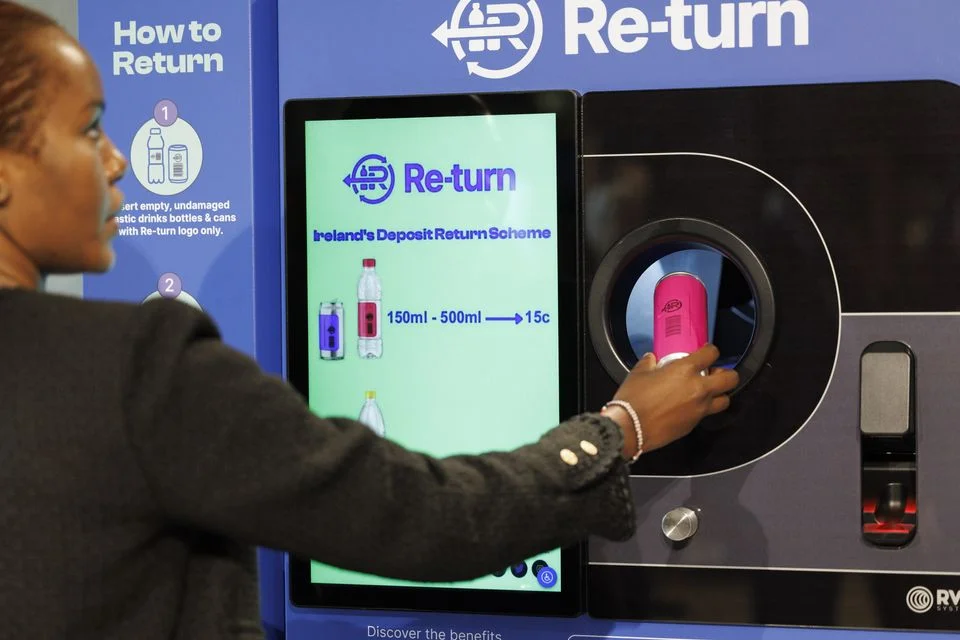 As of January 2025, an close to 357 million people globally live in jurisdictions with DRS.Ebner argues that recycling refunds are rapidly spreading across the world, adding that as of January 2025, an estimated 357 million people globally live in jurisdictions with DRS.
“By the end of 2027, it is projected that 70 jurisdictions — covering approximately 641 million people — will have operational recycling refund programs for beverage containers.”
He points out that DRS around the world with sufficiently high deposit values (at least US$0.10) have redemption rates (percentage of containers sold that are returned for a refund) of around 80–90%.
“A national RR system that incorporates lessons learned from the high-performing systems around the world would have significant climate, economic, and industry impacts.”
“Specific to aluminum, a 90% redemption rate in a national RR system would mean an additional 813,000 tons, or 67 billion individual aluminum cans, would be collected and recycled annually.”
He says that in 2026, several US states are likely to introduce DRS bills, some of which are combined with EPR. Examples include Rhode Island and Washington state.
DRS communication
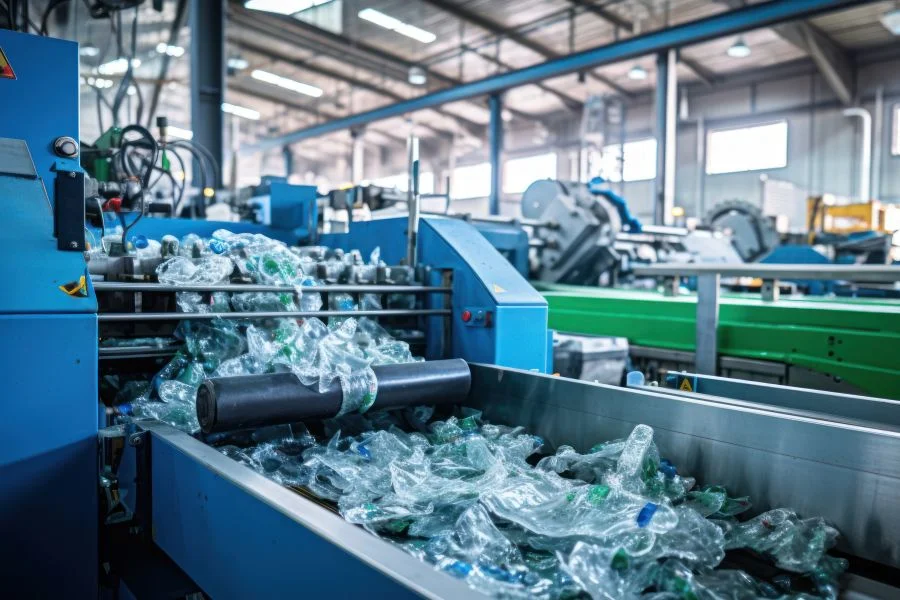 The CMI calls for comprehensive policy solutions to drive a more efficient and sustainable recycling system for the future.The CMI works with several industry stakeholders, including can manufacturers, beverage brands, environmental organizations, and policy think tanks, on new approaches to drive increased recycling in the US.
“The aluminum beverage can’s 97% closed-loop circularity rate [percent of recycled cans that become new cans] is a significant advantage. This is one of several sustainability messages that Every Can Counts highlights in its messaging about the US,” says Ebner.
The CMI calls for comprehensive policy solutions to drive a more efficient and sustainable recycling system for the future. “We are leading this work as part of the Coalition for High Performance Recycling.”
“This comprehensive approach of EPR plus RR is based on documented best practices from the highest-performing recycling systems. This integrated approach aims to significantly enhance the quality, quantity, and reuse of recyclable materials while prioritizing consumer convenience, efficiency, and effectiveness.”