



Biotech project scales renewable bioplastic and ensures regulatory compliance


Key takeaways
- Renaissance BioScience and Biome Bioplastics have partnered on a two-year project to facilitate renewable bioplastic building blocks using advanced fermentation processes.
- The collaboration aims to replace petroleum-derived plastics with bio-based materials for packaging, personal care, health, and consumer goods.
- Supported by funding from the National Research Council of Canada and Innovate UK, the project includes strain engineering, fermentation trials, and test sample production for global partners.

Renaissance BioScience has partnered with UK-based Biome Bioplastics on a two-year initiative valued at up to CAD$1.5 million (US$1.07 million) to facilitate renewable bioplastic building block production using advanced fermentation processes.
The partnership is supported by advisory services and funding from the National Research Council of Canada Industrial Research Assistance Program and UK Research and Innovation’s Innovate UK. The project will target applications in packaging, personal care, health, and consumer goods, offering alternatives to petroleum-derived materials.
Paul Mines, CEO at Biome Bioplastics, tells Packaging Insights: “Scaling any biological process from pilot to commercial production brings challenges around consistency, cost, and material performance. Our collaboration is specifically designed to address these.”
“By combining Renaissance’s expertise in microbial engineering with Biome’s long experience in materials development and industrial scale-up, we will systematically test and optimize the process at increasing scales.”

Commercial-scale production
Over the course of the project, the companies will develop a system to produce a bio-based, renewable building block for bioplastics.
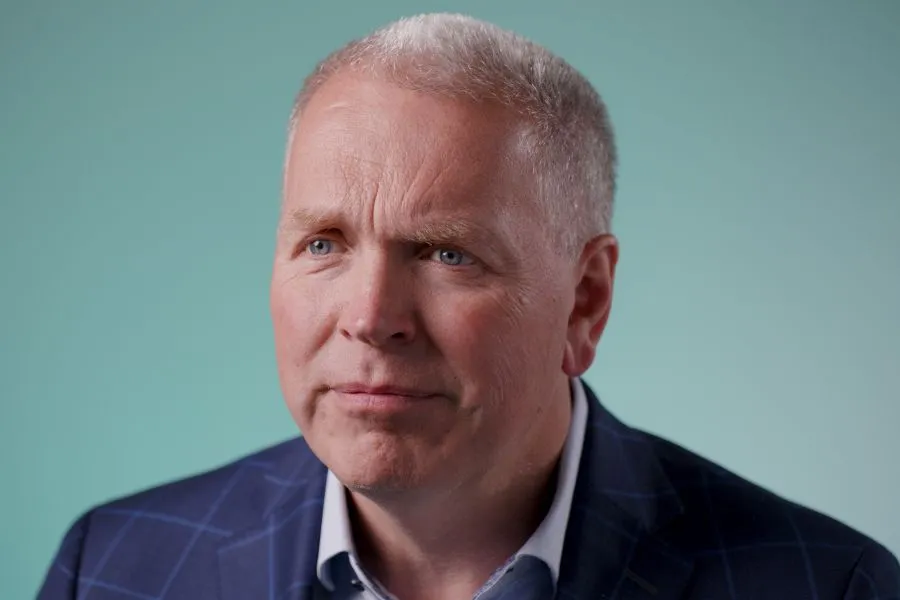 Paul Mines, CEO at Biome Bioplastics.The work will include strain engineering and fermentation trials in Canada and the UK. It will also produce test samples for packaging and personal care applications by global partners.
“Biome already supplies bioplastic materials to global packaging and consumer goods supply chains, so we understand first-hand what is required to scale reliably, cost-effectively, and with the right quality. That experience significantly de-risks the transition from a promising fermentation output to a commercially viable packaging material,” shares Mines.
“Early engagement with multinational partners in packaging and personal care will ensure the material performs reliably in real manufacturing environments across multiple geographies. The goal is to create a scalable, cost-effective pathway that is ready for commercial adoption and competitive with today’s fossil-based plastics.”
Meeting regulatory requirements
Mines highlights that the collaboration will align material development with the regulatory expectations of trans-Atlantic markets and beyond.
“Compliance and sustainability are built into the project from the outset. Rigorous testing, both in-house and with industry partners, will ensure the materials meet functional requirements for packaging and consumer goods.”
“Biome’s existing global customer base means we are experienced in navigating these regulatory frameworks and performance expectations in multiple regions. This provides a foundation for bringing new materials to market quickly and responsibly.”
“Independent sustainability assessments will help demonstrate the environmental benefits compared to traditional plastics. By taking this integrated approach, we can ensure the materials are safe and credible for international adoption,” he concludes.