

RecyClass approves new ink solutions for improved flexible pack recycling


Key takeaways
- RecyClass approves new ink technologies (PU and PVB) for surface and reverse printing, compatible with PE and PP flexible packaging recycling streams.
- The new inks show no degradation in color stability or emissions, enhancing recyclability compared to traditional inks.
- RecyClass urges industry adoption of these ink solutions to improve the quality of flexible packaging waste and strengthen circularity.
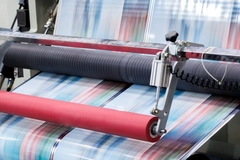
RecyClass has approved a new generation of nitrocellulose (NC)-free inks for surface and reverse printing, said to be fully compatible with the PE and PP flexible packaging recycling streams.
The recyclability non-profit says it has granted the approval following “extensive testing with leading suppliers of inks.”
Currently, most flexible packaging in Europe is surface-printed using NC-based inks but, according to RecyClass, this process hinders plastic recycling.
The RecyClass PO Films Technical Committee commissioned a test campaign, in line with the Recyclability Evaluation Protocol for PE films, to identify “more circular” printing solutions. The testing is said to have targeted four different ink technologies based on new polyurethane (PU) chemistry and one acrylic-based ink technology.

“Unlike NC-based inks, the new PU and acrylic inks showed no signs of degradation in color stability or volatile emissions during processing,” RecyClass shares.
The additional testing of an ink sample based on a polyvinyl butyral (PVB) binder yielded similar results, according to the non-profit.
“Based on these findings, both PU-based and PVB inks are considered fully compatible with the PE and PP flexible streams.”
The RecyClass Design for Recycling Guidelines will be updated accordingly.
New ink technology
PU and PVB inks show no degradation in color stability or emissions during processing.RecyClass monitors the transparency behind plastic waste origins and works to establish a harmonized approach toward recycled plastic calculation and traceability in Europe.
The cross-industry initiative develops Recyclability Evaluation Protocols and scientific testing methods for innovative plastic materials, which serve as the base for the Design for Recycling Guidelines and the RecyClass Online Tool.
RecyClass also offers Recyclability Certifications for plastic packaging, Sorting Process, Recycling Process, and Recycled Plastics Traceability Certifications for plastic products.
RecyClass says the results show “positive recyclability performance, with no negative impact on the quality of the resulting pellets or films.”
“RecyClass urges all industry stakeholders to adopt new ink technologies that have been tested and shown not to affect conventional recycling processes, while adhering to its design for recycling recommendation of limiting ink use to below 5% (by weight).”
“This transition is essential for improving the quality of flexible packaging waste streams and strengthening the circularity of recycled PE and PP materials.”