




Canadian court upholds “toxic” classification for plastic packaging

Key takeaways
- The Canadian Federal Court of Appeal has upheld the government’s decision to list plastic-manufactured items (PMIs) as “toxic” under the Canadian Environmental Protection Act.
- Industry concerns focus on potential disruptions to fresh produce supply chains, highlighting the importance of harmonized packaging regulations.
- While the ruling strengthens Canada’s ability to regulate plastics, stakeholders call for clear, unified laws to foster innovation in packaging.

The Canadian Federal Court of Appeal (FCA) has decided to uphold the government’s order to list plastic-manufactured items (PMI) as “toxic” under the Canadian Environmental Protection Act (CEPA).
The ruling means the Canadian government can continue to regulate single-use plastics, like bags, straws, and cutlery under CEPA. The decision has been met with doubt from the plastics industry and acclaim from environmental campaigners.
Packaging Insights speaks with the Canadian Produce Marketing Association (CPMA) and Oceana Canada about the ruling, delving deeper into the legal case and its implications for the packaging industry and environment.
“The FCA’s decision is a landmark ruling for Canada and internationally. In a unanimous decision, the court recognized plastic pollution as a serious environmental and public health issue,” Anthony Merante, senior plastics campaigner at Oceana Canada, tells us.
The decision came after the Federal Court ruled in 2023 that the PMI listing was “unreasonable and unconstitutional” because it exceeded federal authority. The successful challenge was led by a coalition of the plastic industry and F&B groups, who questioned the regulation’s impact on food, trade, and supply chain security.
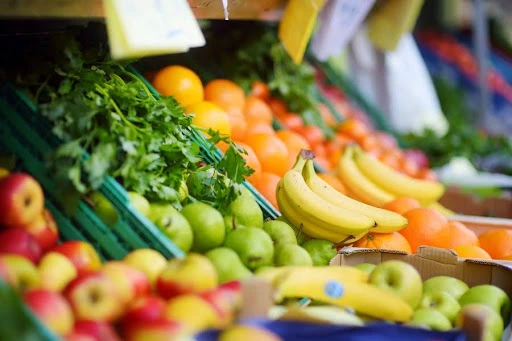 CPMA urges the Canadian government to collaborate with stakeholders to avoid harming the fresh produce sector.
The Canadian government appealed this decision to the FCA, which ruled on January 30, 2026, that PMIs are validly considered a “substance” under CEPA and the government’s decision to list them as toxic was “reasonable and lawful.”
Daniel Duguay, senior director for sustainability at CPMA, says: “An ongoing concern with fresh produce supply chains is the risk arising from disparate packaging-related regulatory requirements between key markets — be they national or regional.”
“Currently, there are ongoing concerns that fragmented and disparate regulations could hinder trade and adversely impact competitiveness due to constraints arising from limitations to packaging material types and composition.”
Virgin plastic for food safety
Duguay points to two previous Canadian regulations from 2023 — the non-compostable PLU sticker ban and the Pollution Prevention plan — that were enabled by PMI’s “toxic” designation under CEPA.
CPMA’s impact analysis concluded that the regulations adversely affect food waste, trade, and hygiene.
The report argues that virgin and recycled plastic packaging provides “substantial” food safety advantages, protecting produce from bacterial contamination and therefore decreasing food recalls.
The industry group says that the recent ruling — reinforcing PMIs as “toxic” — will lead to a return to such regulations, which could “significantly harm fresh produce supply chains in Canada” due to unharmonized policies across regional and national borders.
Duguay says: “CPMA has worked closely with other North American partners to develop a shared framework which argues that packaging regulations must avoid being fragmented and be based almost exclusively on their composition, which ignores the adverse impacts on food loss and waste, logistic efficiencies, or food safety.”
CPMA has urged the Canadian government to collaborate with industry stakeholders to ensure that any future regulations do not cause “undue harm” to the fresh produce sector.
Tackling plastic pollution
For Oceana’s Merante, the FCA’s decision to uphold the listing of PMI as “toxic” allows the government to take a “precautionary and responsive approach.” As such, it can help strengthen waste management and prevent the most harmful single-use plastics from entering the market through targeted regulation.
He adds: “Plastics are a rapidly evolving sector, with new products and chemicals entering the market faster than Canada’s collection, reuse, and recycling systems can manage them. Data shows that many plastic products and chemicals have been allowed onto the Canadian market without adequate assessment of their environmental or human health impacts.” Oceana Canada backs the ruling, emphasizing better waste management and reduced harmful plastics.
However, he also notes that the FCA’s decision does not indicate a “complete solution” to the plastic pollution problem.
“The ruling restores the federal government’s ability to regulate plastics that harm the environment, including marine ecosystems, and to take action against the most damaging products.”
Merante argues that the ruling exposes how petrochemical companies have failed to prevent plastic pollution, suggesting that the ruling affirms the federal government’s authority to protect people and the environment from the harm caused by plastics.
Need for clarity in legislation
As the ruling now means plastics and packaging can continue to be regulated under Canada’s environmental protection laws, Merante and CPMA emphasize the importance of harmonized, clear legislation.
Ron Lemaire, CPMA president, says: “Ongoing uncertainty has already hindered investments in innovative packaging solutions, waste mitigation strategies, and other essential infrastructure, largely due to concerns that future federal plastics regulations could become overly restrictive or harmful to the fresh produce industry.”
Merante points out that many of the regions Canada trades with, such as the EU, California, and South Korea, have already implemented strong legislation to tackle plastic pollution.
He concludes: “To strengthen these international relationships, we should not wait but move forward with a clear policy to reinforce our international partnerships.”
“Clear rules can accelerate investment and growth in reuse systems, improve collection and recycling, and drive innovation in sustainable packaging materials. These are growing sectors with untapped potential in Canada.”