



Multinational beverage giants behind Nigeria’s plastic waste crisis, audit finds


Key takeaways
- A new audit in Nigeria has identified multinational beverage companies like Coca-Cola, PepsiCo, and Nestlé as major contributors to plastic packaging pollution.
- The audit has found that sachet packaging for beverages, plastic bottles, and plastic bags are the most common plastic waste items.
- The NCF calls for a mandatory plastic bag levy and advocates for policies to reduce single-use plastic waste and support the circular economy.
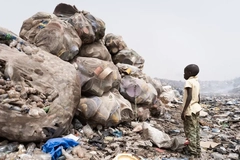
A recent audit has identified multinational beverage companies and single-use plastic producers as the largest contributors to Nigeria’s plastic packaging pollution.
The audit, conducted across eight Nigerian cities by Break Free From Plastic (BFFP) and Global Alliance for Incinerator Alternatives (GAIA), identified Coca-Cola, PepsiCo, Nestlé, Rite Foods, CWAY Group, and several local table-water producers as major contributors of plastic packaging waste.
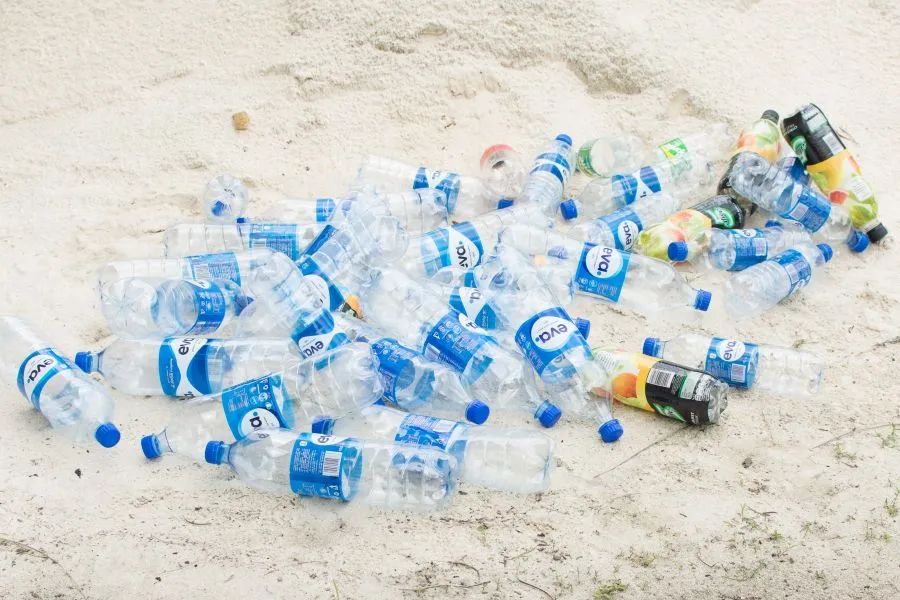
According to the assessment, sachet packaging has dominated the waste stream across Nigeria, followed closely by plastic bottles.
Favour Onodjohwo, program officer at the Green Knowledge Foundation, tells Packaging Insights: “We need to reduce plastic production and shift responsibility to producers, rather than focusing solely on waste management.”
“The evidence from six years of brand audit data makes one thing clear: Nigeria’s plastic crisis is not mainly a waste management issue, it is a production and accountability failure.”

“Major corporate polluters need to transition to reuse and refill delivery systems or to toxic-free, recyclable materials for product packaging, with a timeline to eliminate non-recyclable and toxic plastics.”
Policy commitments
To tackle the ongoing plastic crisis, Nigeria has been working on national policy measures. Joshua Dazi, program development manager at the Nigerian Conservation Foundation (NCF), tells us: “Nigeria has an overarching policy known as the National Policy on Plastic Waste Management (NPPWM), updated by the Federal Ministry of Environment.”
 The policy on single-use plastic is increasingly being domesticated at subnational levels in Nigeria.“It provides the national policy framework for plastics regulation and waste control at the federal level and serves as the foundation upon which subsequent regulations, guidelines, and targeted bans are developed and implemented.”
“Although it is not yet a full Act of the National Assembly, the NPPWM establishes clear policy direction and authority for government action. It empowers the federal government to restrict single-use plastics, introduce levies or phased bans, promote recycling, and enforce EPR among producers and importers.”
“Under the policy framework, the federal government has introduced a ban on single-use plastics within Ministries, Departments, and Agencies, demonstrating federal leadership by example.”
However, despite the efforts, BFFP and GAIA note that the enforcement across the country remains “uneven and slow.”
Benson Dotun Fasanya, executive director at the Centre for Earth Works, tells Packaging Insights: “It is time to abandon weak voluntary promises and enforce mandatory action — phase out single-use plastics, mandate robust EPR schemes, and meaningfully integrate informal waste pickers as essential partners.”
“The UN Global Plastics Treaty represents the strongest opportunity to address the root cause of the plastic pollution crisis. We urge the federal government of Nigeria to push for binding production-reduction targets that align with the 1.5 degrees Celsius climate goal.”
Call for plastic bag charges
The audit reveals that, following sachets and bottles, plastic bags ranked the third most prevalent plastic waste items identified. In response, NCF has called for government policies mandating that proceeds from plastic bag charges be directed into climate financing.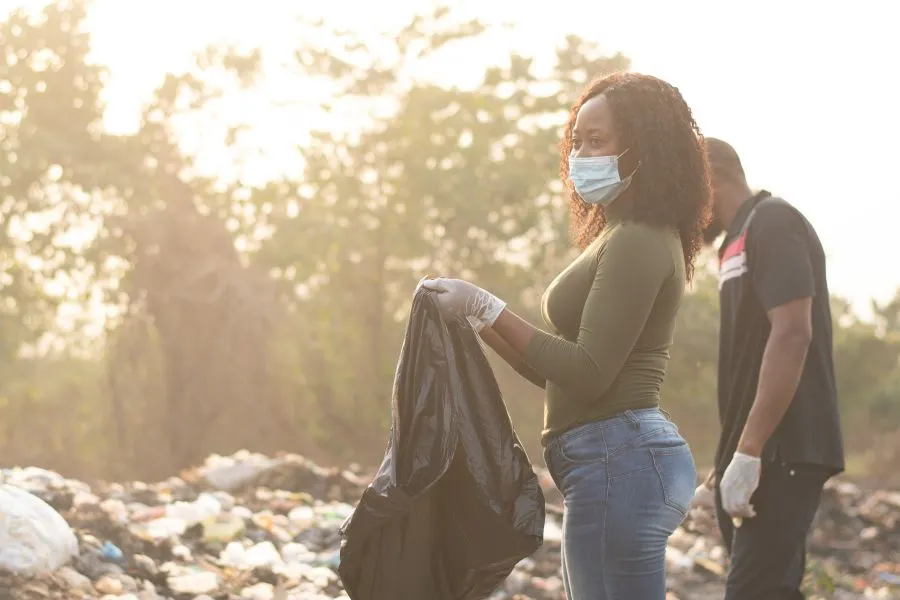 A portion of the plastic-bag levy should be allocated to local government or community waste-management projects, according to NCF.
The NCF suggests several mechanisms to reduce single-use plastic bags. First, they advocate for a mandatory plastic-bag levy, set by law or regulation, rather than “purely voluntary retailer charges, with legally required ring-fencing of revenue to climate or environment funds.”
Dazi proposes the creation of a national environmental or climate fund to receive all proceeds, with clearly defined eligible uses, such as community recycling infrastructure and circular economy grants.
“Where relevant, the integration with EPR regimes would ensure that producers and importers share responsibility, and levy income could be matched with producer contributions or used to subsidize alternatives and recycling,” he adds.
“Clear rules should be set with retailers, requiring supermarkets to collect the levy separately, remit it to the designated climate or environmental fund, and provide receipts and reports.”