

Sappi launches heat-sealable papers for recyclable packaging


Key takeaways
- Sappi has introduced heat-sealable papers for recyclable packaging, offering a range of grades to meet sealing and visual requirements.
- The Seal range includes multiple finishes, grammages, and options like OBA-free and translucent papers, designed to integrate into existing packaging lines.
- These solutions align with sustainability goals and new regulations, offering converters, printers, and brand owners cost-effective alternatives to plastic.
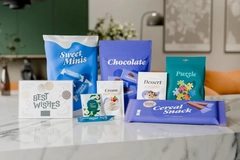 Image credit: Sappi.
Sappi has added a set of heat-sealable solutions to its range of functional packaging papers. The paper seals target converters, printers, and brand owners seeking fiber-based alternatives to plastic.
The new Seal range includes Seal Silk, Seal G Silk, Seal Pure Silk, Seal Natural, Seal Light, and Seal Lucent. The papers are suitable for a broad mix of applications and sealing needs and can be integrated into existing packaging lines.
The expanded portfolio spans 44–110 gsm, multiple finishes and features, including free of Optical Brightening Agents (OBA) and translucent options. Sappi’s seal solutions allow its customers to select a grade that fits their pack format, process, and visual requirements.

“We’re seeing brand owners, converters, and printers look for reliable ways to change their packaging without adding risk or cost. They need practical choices rather than one fixed solution, along with technical support during the transition. The Seal range reflects that feedback and gives customers a broad set of options,” says Michael Bethge, sales director for Flexible Packaging at Sappi.
Sappi points out that many companies are adapting to recently introduced regulations, such as the EU’s Packaging and Packaging Waste Regulation, alongside growing customer expectations, and rising demand for recyclable packaging across global markets.
At the same time, these companies are said to look for stable sealing results, strong mechanical strength, and materials that run well on existing equipment. Costs can also be a major factor when paper-based solutions compete with plastic.
“The Seal portfolio was developed to address these needs and make it easier to move from plastic and composite structures to a monomaterial paper solution.”
Flexible offerings
Sappi’s new Seal grades target different production setups, print methods, visual requirements, and sealing strengths to facilitate customers’ choice.
Seal Silk and Seal G Silk come in 50, 67, 77, 85, 95, 100, and 110 gsm versions, allowing low-to-medium water vapour performance (grade-dependent) and work with flexo and gravure printing.
Seal Pure Silk (67 gsm) is OBA-free for customers seeking for a “natural look” or regulatory compliance. Seal Natural (95 gsm) provides sealing strength and hot-tack performance.
Seal Light Gloss and Seal Light Natural come in 44 gsm (natural) and 54 gsm (gloss), while supporting flexo and gravure printing. Seal Light Natural is also OBA-free. The papers offer a lightweight option for converters needing heat sealing at lower grammages.
Seal Lucent is available in 44 and 54 gsm for applications that benefit from translucency, such as window packs or partial product visibility.
Seal applications
Sappi says that all its Seal papers are designed for consistent sealing and smooth runnability, offering mechanical strength to support processing and transport. The papers give accurate print results that help brands reach a clear and defined visual appearance on the shelf, the company adds.
The global woodfiber company says it supports its customers during trial runs with guidance on sealing temperatures, dwell times, and machine settings.
The typical use of the Seal range includes:
- Multipacks for confectionery, such as twisted products and Neapolitans.
- Pillow bags, sachets, stick packs, doypacks, and stand-up pouches.
- Food and non-food products that need secure sealing without complex barrier structures.
The papers are monomaterial to allow recyclability in the paper waste stream, where suitable collection and sorting systems exist. They are said to be a suitable replacement for PE-coated papers and many plastic-based laminates. The mix of grammages and finishes facilitates the replacement of existing solutions with minimal disruption, according to Sappi.
The company notes that its clients want materials that support sustainability goals while remaining cost-competitive.
“The Seal portfolio delivers reliable sealing for product protection, strong mechanical properties for runnability, and clear print surfaces for brand differentiation. With Sappi’s scale in specialty papers and its technical support, customers gain a stable and efficient path toward recyclable monomaterial packaging,” says Sappi.
Last year, UPM and Sappi announced the merger of their regional graphic paper operations to tackle industrial hurdles.
Meanwhile, Sappi North America completed the US$500 million conversion and expansion of its Paper Machine No. 2 in the US. At FachPack 2025, the company introduced its high-barrier papers for primary packaging.