

South Korea mandates label-free bottled water by 2026


Key takeaways
- South Korea will require all bottled water sold domestically to be label-free starting 2026, replacing physical labels with QR codes on bottle caps and external packaging.
- The regulation mandates that key product information, including name, expiration date, source, and contact details, remains accessible.
- The government estimates the fully implemented system will cut plastic label use by 2,270 metric tons annually.
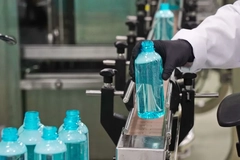
The South Korean government has announced that bottled water sold in the country must be label-free throughout manufacturing and distribution processes starting January 1, 2026.
According to the Ministry of Climate, Energy and Environment, product information previously provided on the label will be available through a QR code on the bottle cap. For small-packaged products, the information will be displayed on the outside of the packaging or on the carrying handle.
Kim Hyo-jung, director general of Water Use Policy Bureau, says: “The key to the label-free system is to provide the public with drinking water safety information while reducing plastic use and making recycling easier, thereby creating a sustainable consumption environment.”
According to the government, the name of the product, the expiration and manufacturing dates, source, and contact information must be displayed on the container or bottle cap.

Products sold online and in bundled sales offline will be produced and sold in the label-free format starting next year. For products sold in individual bottles offline, a one-year transition period will be implemented.
Government support
The Ministry of Climate, Energy and Environment will collaborate with the manufacturing and distribution industries to provide barcode stickers, pre-enter information at points of sale, and enhance consumer education.
The ministry will promote the distribution of information pattern scanning equipment to help small businesses.
“To reduce the increased plastic use associated with this market expansion, the Ministry of Climate, Energy and Environment has been gradually expanding the label-free drinking water system since 2020. The proportion of label-free products increased to 65% of manufacturing volume as of October 2025,” says the Ministry of Climate, Energy and Environment.
“Once the label-free drinking water system is fully implemented, it is expected to reduce the annual plastic usage of 2,270 metric tons (based on 5.2 billion bottles produced in 2024) used to produce label strips.”
To reduce plastic use in the beverage packaging industry, starting in 2026, South Korea will also require bottled water and non-alcoholic beverage producers using over 5,000 tons of PET annually to include at least 10% recycled plastic in their bottles.