
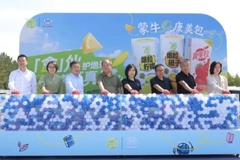

As sustainability becomes a key driver of consumer choice, refillable packaging is gaining traction over single-use options in the F&B industry. According to survey data from Innova Market Insights, one in five consumers globally say they are willing to pay more for refillable packaging compared to conventional formats. This growing preference reflects rising demand for sustainable solutions that align with circular economy principles and help reduce single-use waste.
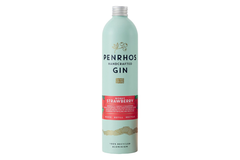
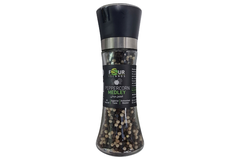
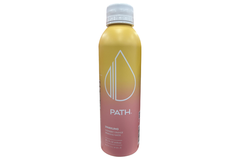
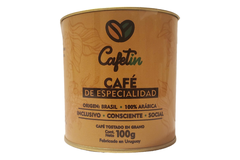
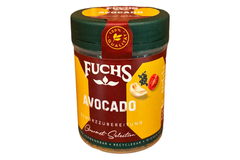
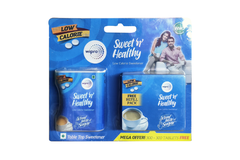
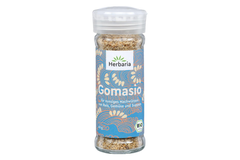
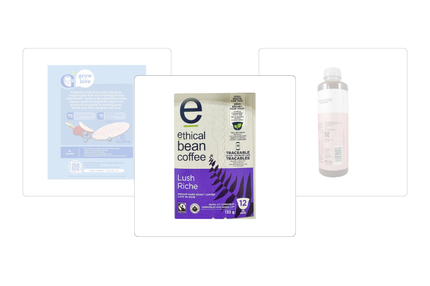
According to data from Innova Market Insights, 65% of consumers globally find transparency at least very important when choosing sustainable food and drink products. Twenty-two percent say that supply chain details matter to them the most in a sustainable product. New launches support sustainability claims with third-party certifications and clear information on responsibly sourced renewable materials and recyclable packaging.
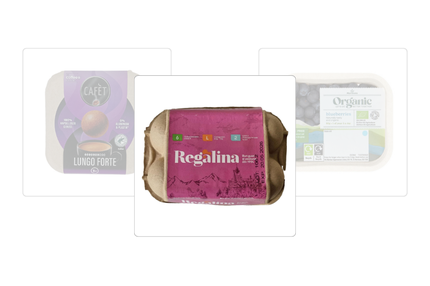
Innova Market Insights has announced its Top Packaging Trends 2026, with “Substantiated Sustainability” taking top spot. Driven by stricter regulations, the trend highlights the need for verified environmental claims. Fiber-based and other sustainable packaging solutions must be supported by credible data, as consumers show a willingness to pay more for substantiated sustainability benefits.
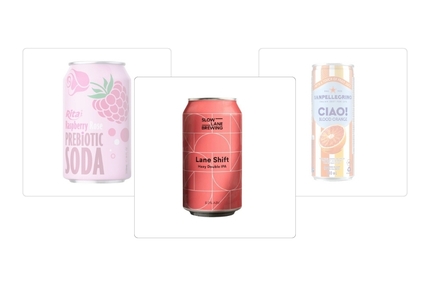
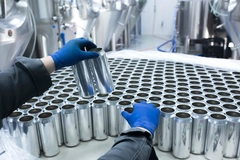
Aluminum can design is trending toward vibrant color blocking, soft gradients, and unexpected color palettes that help drinks stand out instantly on crowded shelves. Brands are also embracing illustrated, hand-drawn styles and playful mascots to add personality and storytelling, blending craft-inspired artwork with modern, clean packaging layouts.
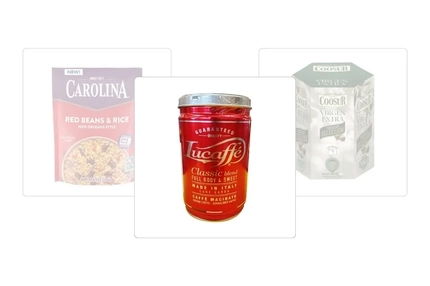
Innova Market Insights data shows that consumers are concerned about sustainability and expect brands to take these issues seriously. Packaging is becoming a key area for innovation, with brands exploring solutions that help reduce food waste by extending shelf life, improving protection, and supporting portion control.
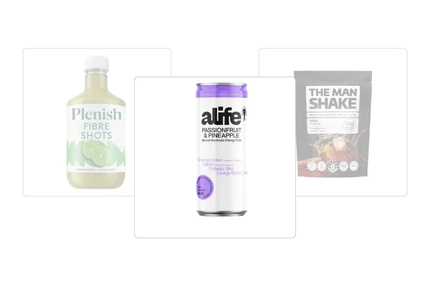
Innova Market Insights data shows that global soft drink launches are on the rise, with 10% growth between April 2021 and March 2026. Bottles are taking the largest share of launches with 52%, followed by cans at 21%, highlighting the continued importance of these formats in meeting consumer needs and product positioning.
According to a survey by Appetite Creative and Koenig & Bauer, the packaging industry’s confidence in connected packaging has reached 92.3%, with adoption rising to 81.2% and skepticism falling. Labels are no longer just about compliance or shelf appeal; they are helping brands build transparency, supporting smarter purchasing decisions, and extending the consumer journey beyond the pack.