


SIG: Material science drives next generation of aseptic packaging


Key takeaways
- SIG CTO Gavin Steiner highlights how aseptic packaging R&D is shifting from shelf-life extension toward material reduction, barrier innovation, and lower-carbon solutions.
- The company is developing aluminum-free and higher paper-content packs while ensuring product protection and compatibility with existing filling systems.
- Dairy, plant-based beverages, protein drinks, sauces, and nutritional products are driving demand for next-generation aseptic packaging technologies.
 (All image credits: SIG).
Scientific developments and material innovations have pushed aseptic packaging research beyond its conventional role in preserving products and extending shelf life, according to Gavin Steiner, chief technology officer at SIG.
While the technology’s main goal will always be to ensure sterility and protection, he argues that research into aseptic technologies is increasingly focused on material reduction, fiber-based options, or reduced carbon dependency.
Packaging Insights sits down with Steiner to discuss the latest developments in aseptic technology alongside the role of R&D. We also explore the impact of the packaging industry being pushed to comply with increasingly stringent legislation.
What are the main technological developments improving the shelf life of aseptically packaged foods and beverages?

Steiner: There’s a lot of interesting development work going on. For example, let’s take as a given that the shelf life of the product in these formats is already up to 12 months. Extending beyond that is not really of interest because you hope that the product moves from the shelf a lot quicker.
So, while we’re not focusing on extending shelf life, we are focusing on guaranteeing it. And when we do this, we're assessing the integrity of the packaging to make sure that there is no ingress or transfer of contaminants in and out of a pack.
And that space is where some of the science and new breakthroughs are. You could look at packaging materials that are extremely robust and are engineered based on the history of needing to be in that specific structure and format. Whereas now we are looking at how to reduce materials.
How do you look at taking out things like, for example, the aluminum barrier? We have a range which is called SIG Terra Alu-free, and that still has to maintain the full barrier properties so that it still guarantees the integrity of the product for 12 months. But you’re taking out very important material from the packaging, and that is where a lot of science has gone in the past.
How is SIG adapting existing systems while meeting new technology and sustainability demands?
Steiner: Our science also comes into the fold here, where we're looking at how to allow the end of life of the product, the pack itself, to be easier in the recycling industry, to be processed without any complications.
 SIG is advancing aseptic filling systems that maintain sterility while supporting existing production lines.When we remove the aluminum, for example, it brings a different processing method at the end of life. So those are the kinds of areas that we're looking into. That’s more on material science, literally looking at how to lighten the packaging materials, creating less impact on the environment, but obviously ensuring and maintaining the integrity of the product.
That's the first and fundamental part of the pack itself. SIG also offers an aseptic filling system. In that space, we are developing the pack to not only be aseptic but also to be aligned with the future requirements and ensure that these packs are compatible with our current machines.
The main drive that we have in the R&D world is that our solutions have to fit into the current ecosystem. When we design a new pack, it needs to work on our current machines, because it’s quite easy to design a new pack and say you need a new machine. But we want our packs to run on the systems that we have today.
With new regulatory requirements emerging, are manufacturers facing challenges in adapting machinery to meet future demands?
Steiner: In short, no. Regulations are driving the behavior of the industry and creating a level playing field. The science behind these requirements is extremely important, and our teams are focused on developing solutions that can be implemented within existing production environments. I don’t see this as a conflict; I see it as an opportunity to innovate.
For example, with the push for lower carbon footprint products or increasing the fiber content in our packs, our first objective, which we have achieved, was to take the amount of fiber or paper in the pack to bring it up so that we’ve achieved at 85% paper content, which is more interesting for the recycler.
Sometimes there are hiccups in the regulations, which are not always science-based, and that creates a bit of a headache. Sometimes we say, “Well, does it really make sense?” or “How can we achieve that?” But that’s also why we're paid for our jobs in R&D. To come up with these solutions that make sense and that we can be proud of at the end of the day.
With the SIG team, one thing we really drive is that any improvement — especially when it comes to sustainability and the environment — that can move the needle in a positive direction; we need to pursue it. We need to keep progressing. Because you’re not going to get to utopia, the ultimate solution, without the learnings you gain throughout that journey.
Could you share an example of a technical challenge SIG has identified and how the team worked to overcome it?
Steiner: We have quite a few things to do. We call them “holy grails.” So that's where you know what you want to achieve; it hasn't been done before, but you believe that there is a way.
 Steiner highlights that aseptic packaging innovation is shifting toward material reduction, fiber-based solutions, and recyclability.Some of them are way out there. For example, if you think about the light barriers, you need to protect the nutrients of a product. You don't want to allow light into your product, and if you have aluminum there, you have very little light that gets through. If you take the aluminum out, and there's only cardboard left, if you shine a bright light onto a piece of paper, you will see through it.
There are some breakthroughs and solutions that have been able to protect the inside to stop light from getting through, such as the orientation of the fibers. There are, in addition, colors that absorb light. There are other ways of doing it, and that's where the teams look, and sometimes you find that science, most times, doesn't come from the industry itself.
Which product categories are driving the strongest growth in demand for aseptic packaging?
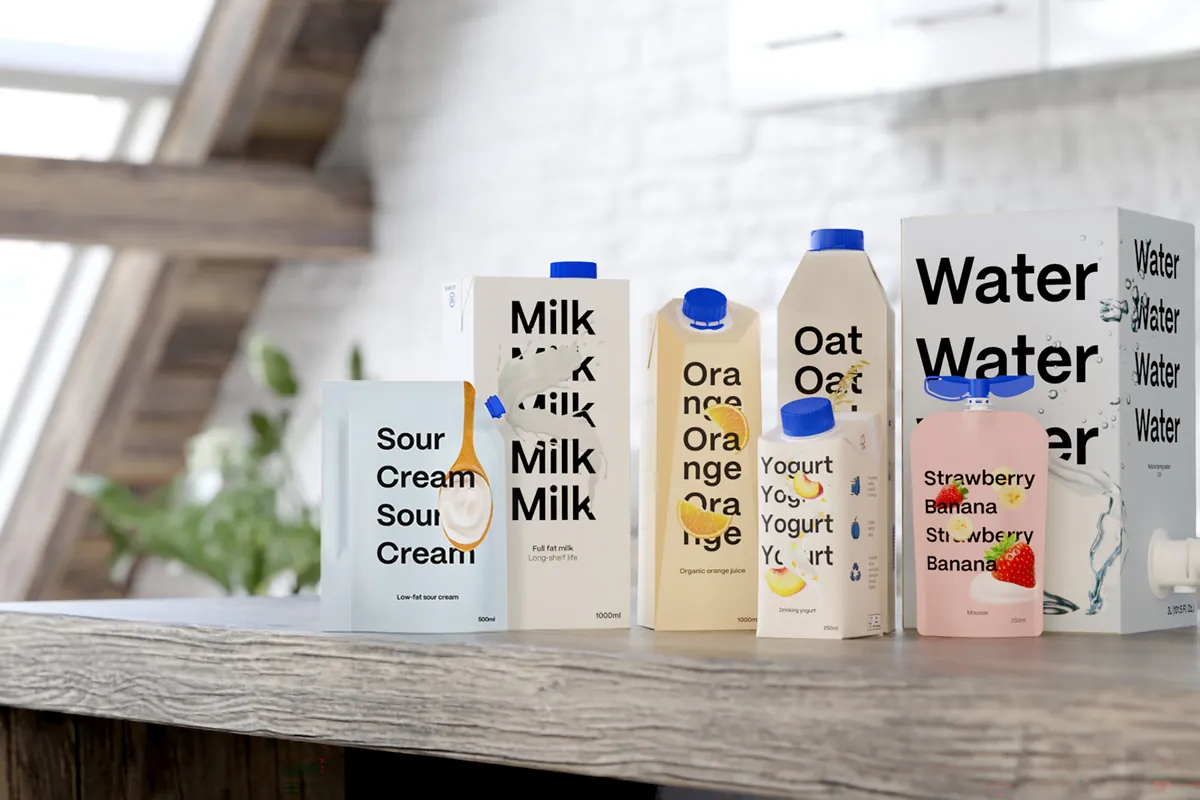
Steiner: Dairy, white milk, flavored milks, drinking yogurts, plant-based beverages, and protein drinks are categories driving the strongest growth. The products that benefit from the technology of a clean, sterile pack are really the ones where we see growth.
This is because of the opportunity it gives a brand, bringing minimal treatment. Once a product has been prepared and it is stable, it can then be put into the pack, and that sterility level is what gives these segments growth. If you can guarantee the nutrients are maintained for the 12 months of shelf life, that brings huge value.
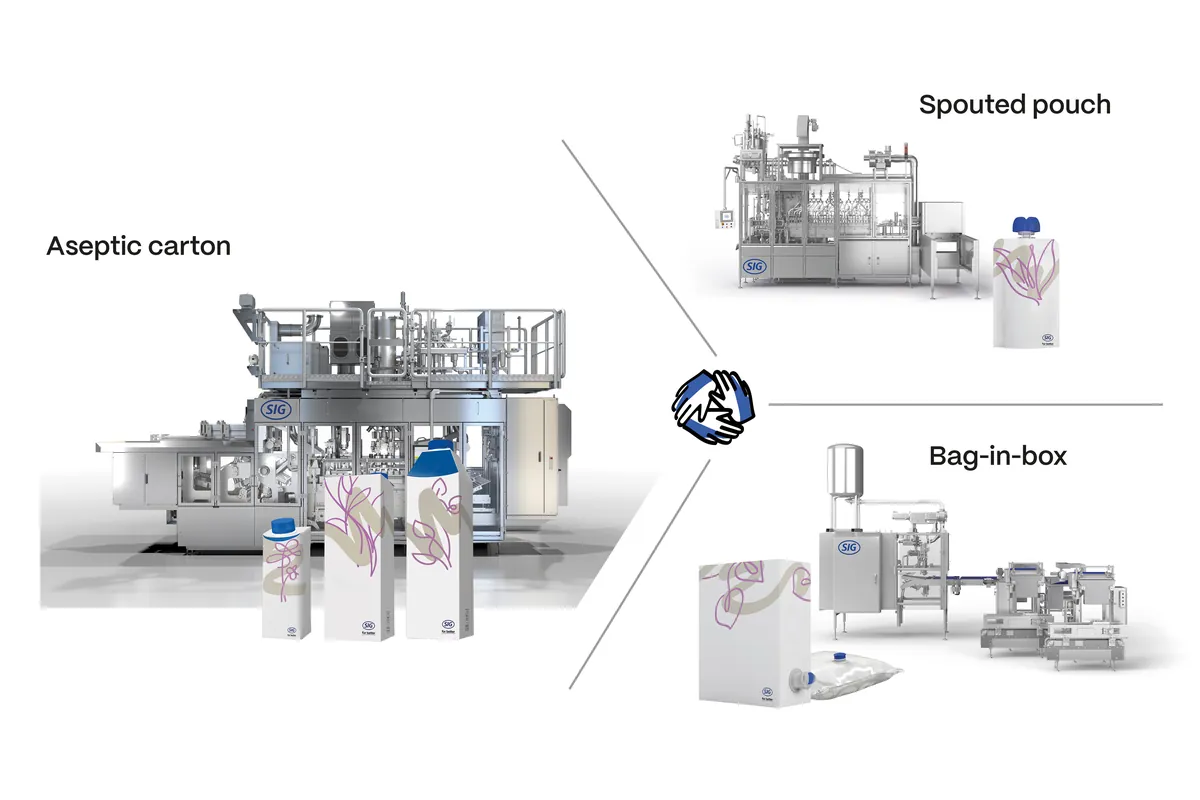
Also, products such as sauces, desserts, nutritional products, and purees are all relevant to us. In some markets, we see more growth in certain categories than others. Looking specifically at pouch filling, the puree business, and desserts are areas of strong interest. The bag-in-box business also brings opportunities for these aseptic materials and products to be packaged across different applications.