


Aduro Clean Technologies tackles flexible plastic waste in Mexico

Key takeaways
- Aduro Clean Technologies has collaborated with ECOCE to evaluate its Hydrochemolytic Technology for recycling plastic packaging.
- The collaboration aims to address Mexico’s post-consumer flexible plastic packaging waste.
- The initiative seeks to create a new chemical recycling route, providing valuable solutions for circular economy efforts and supporting local communities.
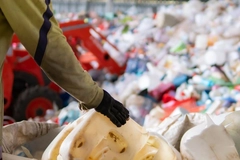
Aduro Clean Technologies Collaborates has partnered with the Mexican industry association ECOCE to evaluate the use of its Hydrochemolytic Technology (HCT) to process post-consumer flexible and mixed plastic packaging in the country.
“ECOCE sits at the center of Mexico’s packaging value chain, with international members that also have a global presence, and Aduro is focused on developing HCT as a new chemical recycling route for different applications and segments of waste streams,” says Ofer Vicus, CEO at Aduro.
“By working with real Mexican waste, we aim to study and explore a clear, shared vision of where HCT can add value, how it might complement existing systems, and what that could mean for future recycling solutions for ECOCE’s members and Mexico.”
Adrián Velasco, director of Flexible Plastic Packaging at ECOCE, adds: “Our collaboration with Aduro allows us to jointly evaluate an additional chemical recycling route tailored to Mexican conditions.”
“Our objective is to generate the information and partnerships needed to transform flexible and multilayer packaging from a difficult waste stream into a resource that contributes to the circular economy, benefits local communities, and strengthens the commitments of the brands that support ECOCE.”
ECOCE administers Mexico’s national private collective packaging management plan for post-consumer PET, high-density PE, and aluminum, among other materials, on behalf of its member companies.
The plan functions as a producer responsibility scheme with members organizing to finance the collection and recycling of their packaging.
The association is behind nationwide collection, education, and take-back initiatives.
Recycling flexibles
The collaboration aims to tackle Mexico’s post-consumer flexible plastic packaging, which the partners describe as the country’s most challenging waste stream.
Circulate Capital estimates that Mexicans generate close to 60 kg of plastic waste per capita each year. This adds up to the annual release of up to 6–7 million metric tons of plastic waste. Flexible plastic packaging represents around 1.5 million metric tons of this total, and 1.6 times the volume of PET beverage container waste.
Post-consumer flexible plastic packaging is particularly difficult to fit into existing collection and mechanical recycling systems as they often combine multiple polymers, layers, inks, and adhesives in thin formats.
Aduro presents its HCT patent-backed chemistry platform as a solution to Mexico’s flexible plastic packaging waste issue. It operates at moderate temperatures with catalysts to break down large hydrocarbon molecules into smaller and more valuable liquid products.
The liquid hydrocarbons from multilayer and flexible plastic packaging can be upgraded further and used as petrochemical feedstocks, including in steam crackers.
The company behind HCT says independent pilot-scale steam-cracking trials show Hydrochemolytic Oil from plastics is “comparable to conventional fossil feedstocks, providing key building blocks for the production of new plastics.”
Based on these results, ECOCE and Aduro intend to study potential business models and routes to create value for ECOCE’s associated members, waste collectors, and downstream offtake partners.
Last year, Packaging Insights spoke to Aduro Clean Technologies about its HCT process and the importance of regulation in promoting plastic circularity.