


Fiber packaging sustainability claims face recyclability reality check

Key takeaways
- Fiber-based packaging continues to gain momentum, but industry experts warn that switching from plastic to paper does not automatically deliver better environmental outcomes.
- The experts say that coatings, inks, adhesives, laminates, and regional recycling infrastructure significantly influence recyclability.
- They call for evidence-based sustainability claims and packaging designed as complete systems.

While the paperization trend continues to inspire product launches, there is growing attention to certain fiber-based claims that overlook the complexity and nuance of the material.
Packaging Insights speaks to experts from Aicomp, Boxway Packaging Group, Flint Group, and MM Board & Paper to explore how overstated sustainability claims and gaps in consumer understanding of fiber have led to an oversimplified picture of the material’s environmental performance.
Data from Innova Market Insights reveals that the fiber momentum is not stopping, with Europe at the top of F&B fiber-based launches, accounting for 42% of NPD.
“Despite the growing momentum behind fiber-based packaging, there are several persisting misconceptions among brands and consumers that oversimplify what sustainability means in practice,” says Alessio Crivellari, product manager of Paper & Board Europe at Flint Group.
He argues that the focus in the fiber innovation space should be designing “complete packaging systems” that consider performance requirements and end-of-life considerations from the outset.
“True circularity is achieved not only through material choice but also through an integrated approach that considers design, collection, sorting, and recycling as part of a connected system.”
Fiber’s communication problem
Fiber-based packaging is frequently associated with sustainability benefits, but Andrew Woollard, CEO at BoxWay Packaging Group, says that consumers and brands often do not understand how “complex, broad, and nuanced the topic of sustainability is.”
A large part of this is to do with industry communication. “It’s up to us in the industry to address that by simplifying our messaging and our packaging,” Woollard adds.
“New regulations around green claims should make this easier, but that will still demand all of our collective expertise.”
According to Innova Market Insights, 34% of consumers globally say that they find paper packaging very sustainable.
However, Woollard notes that assuming that circularity “is as simple as swapping out a plastic pack for a fiber-based one is a mistake.”
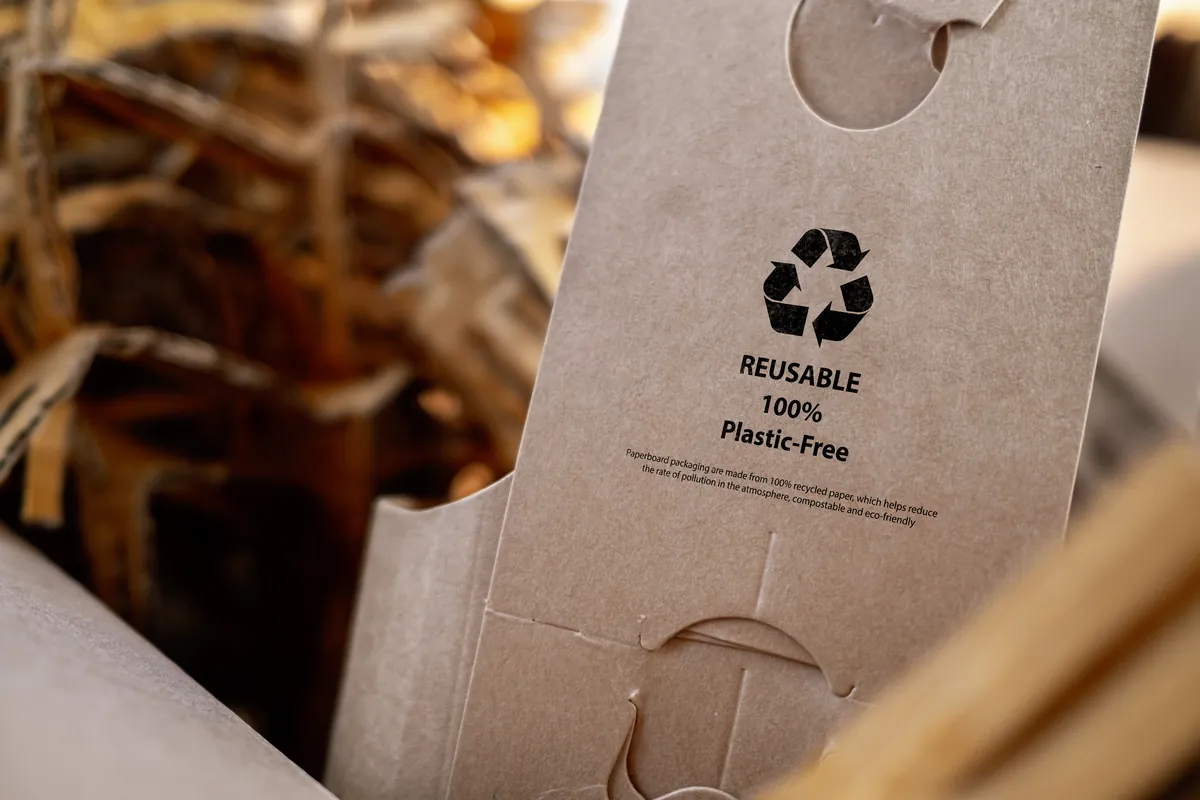 Europe accounts for 42% of global F&B fiber-based packaging launches, according to Innova Market Insights.“Something being technically recyclable or compostable can mean its real-world environmental impact is lower, but not without a strategic approach to packaging design.”
Matthias Waltz, head of Group Software Solutions at Aicomp, agrees with Woollard, emphasizing that “another assumption” of fiber-based packaging is that switching from plastic to fiber is “inherently more sustainable.”
“It can be, but only if the protection is justified and the design doesn’t just push the burden somewhere else, into food waste or non-recoverable coatings.” Moreover, Waltz notes that consumers confuse compostable with recyclable in fiber-based packaging.
“Those are two different end-of-life paths with different infrastructure, and compostable isn’t automatically the greener option. Fiber hasn’t solved the sustainability problem on its own, but well-documented, design-for-recycling fiber gets close.”
Recyclability claims
Confusing or overly broad terminology surrounding fiber-based packaging can contribute to overstated recyclability claims, say the experts.
The biggest misconception of fiber-based packaging is that “it’s paper, so it’s recyclable,” says Waltz.
Jürgen Kleinrath, chief science officer for Board & Paper at MM Board & Paper, also says the same, noting that fiber-based packaging is not recyclable in every paper stream.
“In reality, coatings, laminates, adhesives, inks, and other components influence how the complete structure behaves during pulping and separation. Some packs can be processed through conventional recycling routes, while others require deinking or specialized systems.”
Nearly half of F&B launches with fiber-based materials carried a recyclable claim from October 2024 to September 2025, according to data from Innova Market Insights.
“Recyclability is essential,” continues Kleinrath, “but circularity only happens when recovered fibers are collected, processed, and used again in new products.” He adds that creating demand for recycled content is important to the circularity of fibers.
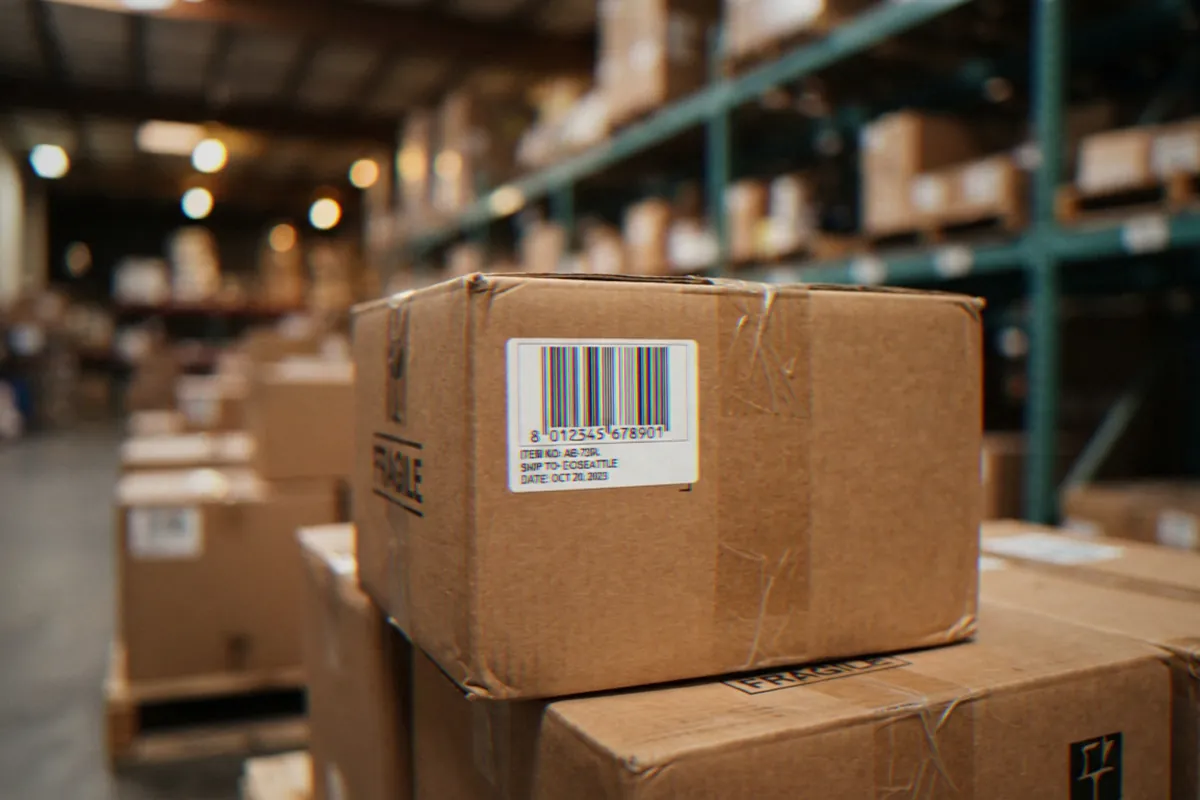 Coatings, adhesives, inks and laminates can affect fiber recyclability.Alessio Crivellari, product manager for Paper & Board Europe at Flint Group, links fiber-based recyclability claims to real-world recycling infrastructure.
“Collection systems, sorting capabilities, and recycling infrastructure vary significantly across regions, meaning that real-world outcomes can differ from theoretical recyclability,” he notes.
“This highlights the importance of designing packaging that aligns with established and widely available recycling processes.”
Moreover, he highlights how inks, coatings, and adhesives can reduce fiber-based packaging’s recyclability. “Poorly selected chemistries can hinder fiber recovery, reduce the quality of recycled material, or introduce contaminants into the recycling stream.”
He stresses that “these elements are critical to performance and recyclability,” underscoring that material substitution does not always improve a pack’s sustainability.
Moving beyond the material
Flint Group Crivellari says that although paper and board are the “most widely recycled packaging materials in Europe,” that fact is not guaranteed by material choice alone.
Instead, similar to the other experts, he urges the fiber-based packaging industry to understand the full scope of fiber-based packaging, from design to use.
“Packaging’s environmental performance depends heavily on how it is designed, used, and recovered,” says Crivellari, “and without careful consideration of these factors, fiber-based solutions can fall short of their sustainability goals.”
An example that MM Group’s Kleinrath highlights is the consumer perception that fiber-based packaging does not perform as well as alternatives.
“One persistent misconception is that paper fibers can only be recycled a few times before losing their strength,” he suggests.
“Research conducted by MM Board & Paper with Graz University of Technology, Austria, found that cartonboard fibers can be recycled at least 25 times without significant loss of mechanical strength. Reusing fibers for longer helps reduce pressure on fresh fiber resources and supports a more circular packaging system.”
With fiber-based packaging launches continuing to rise, it’s apparent there’s pressure for the industry to move from simple material substitution toward evidence-based system design.