


FIFA’s bottle policy raises safety and plastic pollution debate at World Cup 2026

Key takeaways
- FIFA amended its 2026 World Cup bottle policy after public backlash, allowing fans to bring one sealed, soft plastic water bottle into matches in the US and Canada.
- Crowd safety experts say bottles can pose projectile risks at large sporting events, especially in congested stadiums.
- Environmental groups argue that banning reusables could increase single-use plastic waste and undermine circular packaging habits at major venues.
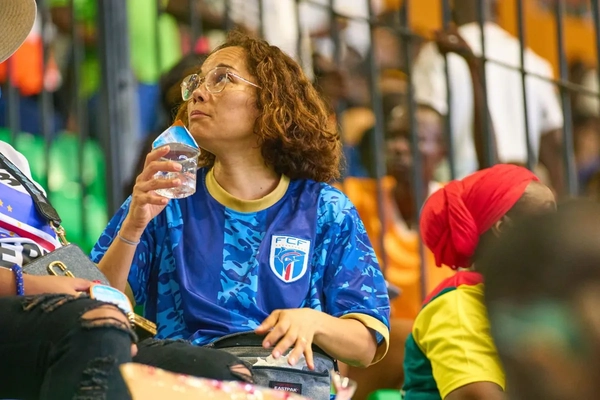
FIFA’s reusable bottle policy for football matches at the 2026 World Cup has prompted questions about the balance between public safety and plastic pollution prevention at large events.
After initially banning reusable bottles, FIFA amended its water bottle policy, allowing fans to bring “one, soft, plastic, 20 ounces (590 mL), factory sealed disposable water bottle into any World Cup 2026 match in the US and Canada.” Reusable bottle policies at venues in Mexico were not mentioned in FIFA’s softened policy.
In its first decision to ban reusable bottles, the football organization cited safety concerns over reusable bottles, which can be thrown and are largely banned from sporting events.
Some NGOs have criticized FIFA’s decision to prohibit reusable bottles, and its subsequent concession on single-use bottles. In Canada, environmental groups have criticized FIFA's use of single-use plastic foodservice products at stadiums in Toronto.
Packaging Insights speaks to crowd safety expert Dr. G Keith Still and senior plastics campaigner at Oceana, Anthony Merante, about striking the balance between crowd safety and plastic pollution prevention.
We also contacted CrowdSafe Group, a US-based consultancy firm, for comment, but they were contractually required to decline due to their ongoing contract with FIFA.
Bottles as weapons
Increasingly, crowd-safety policy is being forced to balance hydration, heat risk, sustainability, and projectile concerns.
Policy varies by venue and material type. Allianz Arena in Germany and Hong Kong Stadium prohibit bottles, while Wembley in the UK allows empty, soft clear plastic bottles of 500 mL or under without caps but bans hard plastic, metal, and glass bottles.
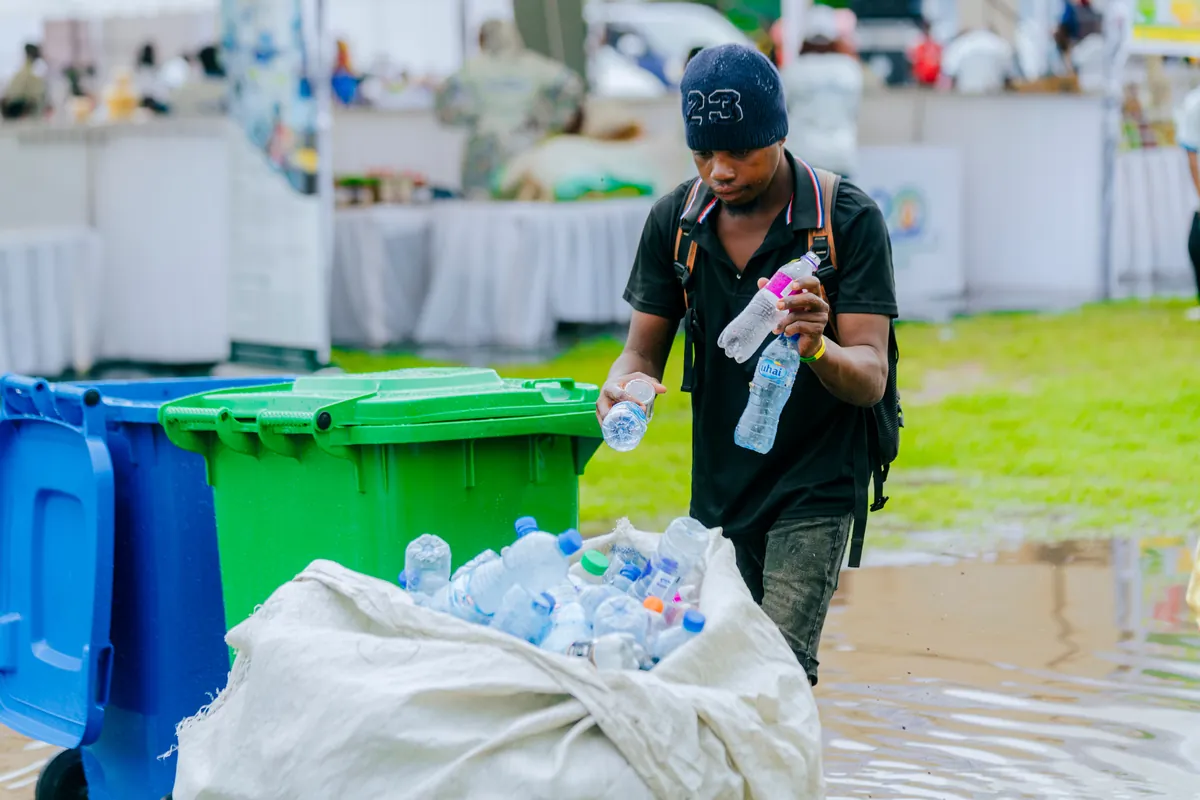 FIFA’s amended rules allow fans in the US and Canada to bring one sealed 20-ounce disposable water bottle, while Mexico venue policies remain unclear.The UK’s Guide to Safety at Sports Grounds warns that “containers such as glasses, bottles, or cans” can be used as “missiles,” posing a danger in congested areas.
“Bottles and glass cups are typically not allowed in large events, like concerts and sporting events,” explains Still.
“They can be thrown, and there is a risk of serious harm if hit on the head from a thrown bottle or glass. Hence, the use of plastic and removal of plastic bottle caps, so the liquid inside will fall out when thrown.”
Stadium rules set by UEFA have, in the past, also prohibited bottles, liquids, jugs, or cans under its security rules. Last year, it temporarily relaxed its rules for the Women’s Euro 2025 in Switzerland due to a heatwave. It allowed spectators to bring in half-liter water bottles on the first two days of the tournament.
Critics of FIFA’s decision to only allow one 590 mL plastic bottle in World Cup 2026 stadiums have also pointed to health concerns arising from high temperatures.
Circularity at large venues
Oceana’s senior plastics campaigner, Anthony Merante, tells us that FIFA’s initial ban on any reusable bottles “goes against” many updated stadium policies, which increasingly allow spectators to bring soft plastic bottles.
He explains that “sudden reversals” of policies like reusables can have a waterfall effect: “a surge in single-use plastic generation, heat risks for fans, and risk of breaking the well-developed habit of packaging reusables for game day.”
Major venues across Canada and the globe have allowed reusables into the stands for sporting events, concerts, and festivals, and have “balanced public safety,” underscores Merante.
“Through reusable bottle policies and stadium-wide reusable cup systems, event professionals know that sustainability does not have to be sacrificed for safety.”
He concludes: “Based on the immediate backlash from fans and local governments alike, it’s clear: sports fans demand reuse at stadiums, for the planet and their health.”