


FIFA to use disposables at Toronto matches despite 1M plastic reduction potential


Key takeaways
- Toronto’s FIFA World Cup 2026 events could prevent over 1 million single-use plastic items by switching to reusables, but current plans rely partly on disposables.
- TEA highlights that local reuse systems are ready, citing previous successes at Canadian festivals and stadiums.
- Adopting reusables at scale can reduce litter, lower waste volumes, save costs, and enhance guest experience, according to TEA.

As Toronto, Canada, prepares to host the FIFA World Cup 2026 matches, an analysis by the Toronto Environmental Alliance (TEA) has revealed that transitioning to reusable cups and foodware at the events could prevent more than one million single-use plastic packaging items. FIFA has not adopted a reusable foodservice system at the matches in Canada.
Toronto is set to host six FIFA matches. Meanwhile, the city will host a nearly month-long FIFA Fan Festival at Fort York this summer, with up to CA$200,000 (US$144,000) allocated for reusable cups and foodware as part of FIFA’s sustainability legacy initiatives.
In the report, Kicking off with reusables: The opportunity of the FIFA World Cup 26 for Canadian events, funded by Environment and Climate Change Canada, TEA included high-level estimates to show what could be possible if FIFA events in Canada adopted reuse across all events.

Emily Alfred, senior waste campaigner at TEA, tells Packaging Insights: “In reality, the impact will be much smaller, as FIFA elected to use disposables in the stadiums, and the Fan Festivals have reuse in limited areas.”
“While this isn’t the scale we’d hoped for, this is a win for the environment. It will prevent tons of single-use items, and importantly, it will introduce reuse systems to hundreds of thousands of people and spur the growth of the reuse service sector.”
Aligning with international trend
TEA shares that BC Place stadium in Vancouver, Canada, which will host seven FIFA matches, made the switch to reusable cups for all poured drinks in 2025. However, FIFA is not using the reusables during the tournament, instead using disposable cups at BC Place and Toronto Stadium.
Alfred asserts that local reuse systems in Toronto are ready to meet the scale of FIFA. “Reusables have already rolled out at many events and street festivals in Toronto.”
“We have noticed that major sports events like the Super Bowl and the Paris Olympics have adopted reuse systems. We‘ve even seen big events like major music festivals in Montreal, Canada, and a growing number of stadiums across the US are now adopting reusables.”
”Major stadiums and events in the EU have also had reusables for many years,“ Alfred shares.
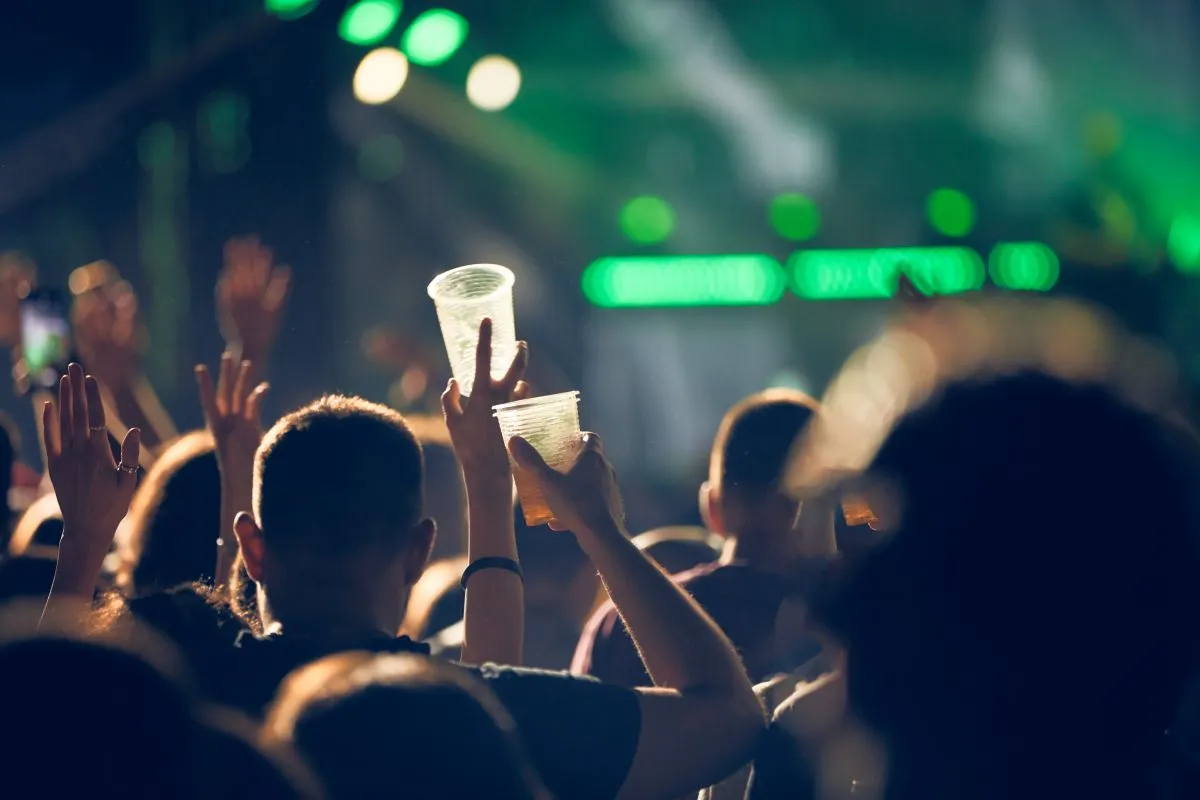 TEA says that reusable cups are suitable for temporary, multi-vendor events and festivals with proper management.At the 2026 Eurovision Song Contest in Austria, Borealis’ reusable cup system was adopted to boost circularity. The reusable cups were produced using plastic packaging waste collected through Austria’s nationwide yellow bag and yellow bin system in urban and rural areas.
Establishing long-lasting legacies
TEA highlights that this year’s World Cup provides an opportunity to leverage the attention, investment, and excitement to create sustainable legacies.
“The biggest barrier at this point that we’ve seen is that the concept of reuse is new in Canada. As a result, there’s a lack of experience and familiarity with reuse among event organizers, venue operators, hospitality staff, and cleaning staff,” Alfred shares.
“We found that for a new program, a key to success is communication between all the staff and parties at the venue — from top management to food vendors to cleaning staff to security. When all staff can give feedback, identify problems, and share ideas for improvement, the program works.”
Alfred notes that after transitioning from disposable to reusable foodware, Canadian venues experienced reduced litter and cleaner environments, lower waste volumes, long-term cost savings, and an enhanced guest experience.
“Providing recycling and organics collection for events of this scale is the bare minimum. For a truly sustainable legacy, we need to shift away from mountains of disposable items to durable, reusable foodware that can be washed locally and reused dozens of times,” she concludes.