


Flexible packaging advances with circular materials and application-driven design


Key takeaways
- Korozo Group highlights how high-barrier, recycle-ready flexible packaging solutions are evolving to meet demanding protein applications while reducing material use.
- Braskem America and Verde showcase the potential of bio-based PE in pharmaceutical packaging.
- Industry experts emphasize that future flexible packaging innovation will depend on balancing circularity, resource efficiency, safety, and functionality.
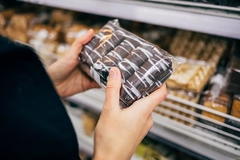
Consumer perceptions continue to reshape packaging, which is no longer a one-size-fits-all product. Flexible packaging manufacturers are designing materials for precise end-use demands, while navigating the path to circular and renewable solutions.
Packaging Insights speaks to Braskem America, Verde Environmental Technologies, and Korozo Group about how technical innovation, bio-based materials, and value-chain collaboration are changing the future of flexible packaging.
“Consumers today consider not only price and taste but also health, food safety, origin, animal welfare, environmental impact, and packaging waste. At the same time, they expect products to remain fresh, safe, convenient, and visually appealing,” says Kemal Yürüm, protein segment market manager at Korozo Group.
“Packaging must deliver multiple benefits simultaneously: protect the product; extend shelf life, while using materials as efficiently as possible, and provide clear, credible information to the consumer.”

“It is also important to consider the environmental impact of the complete product packaging system. Reducing packaging material is valuable, but product protection remains critical as food waste carries a significant environmental and economic cost.”
Bio-based alternatives
Specialized packaging sectors are demonstrating the power of plant-based materials in highly technical, regulated applications.
Verde has developed the Deterra Drug Disposal Pouch, which is made with more than 50% or more of Braskem’s I’m green bio-based polymer. The patented drug disposal technology is designed to deactivate unused medications, preventing drug diversion and mitigating the risk of pharmaceuticals leaching into groundwater and waterways.
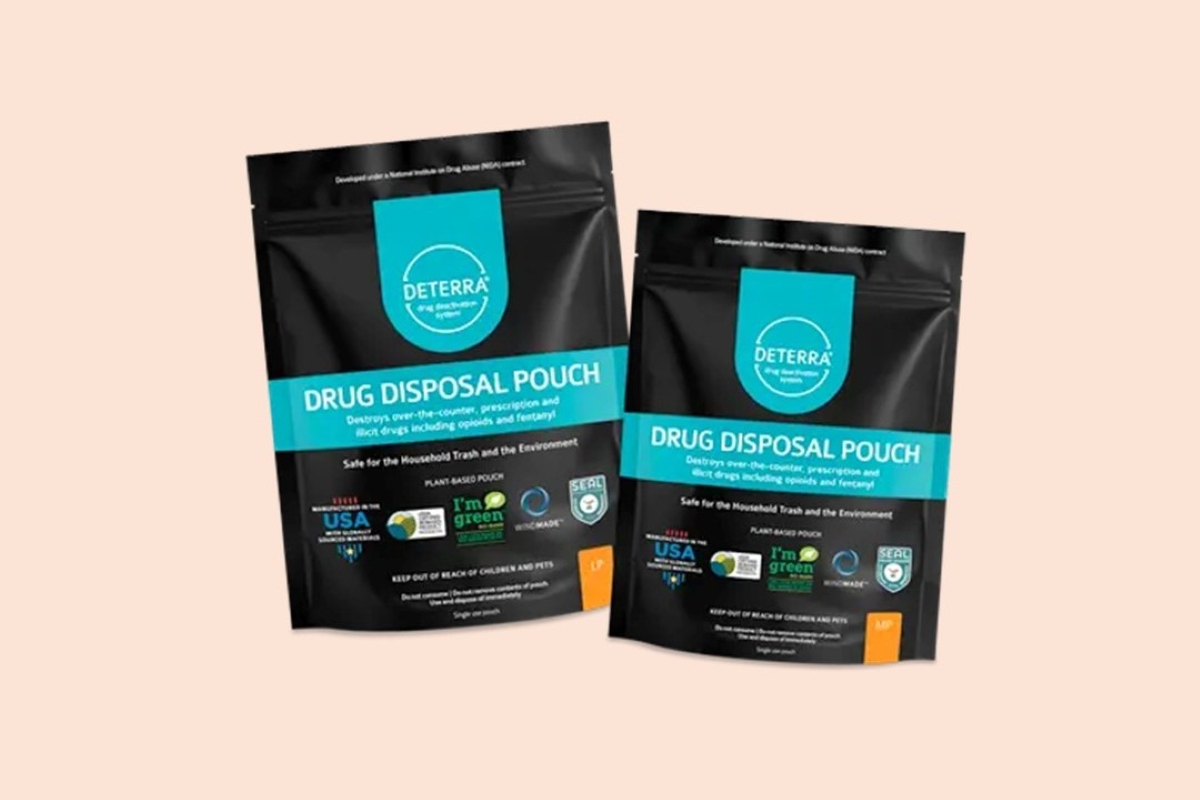 Sustainability solutions in pharmaceutical packaging must never compromise product safety, sterility, and regulatory compliance, according to Braskem (Image credit: Braskem).“The pouch is manufactured with more than 50% bio-based PE polyethylene derived from renewable sugarcane, aligning the packaging material with the product’s broader environmental and public safety objectives,” Hayley Wenda-Zilka, director of operations at Verde Environmental Technologies, tells us.
Braskem’s director of business development, Gustavo Lombardi, explains how the pouch, which was manufactured by Accredo Packaging, required materials capable of meeting strict technical specifications without compromising functionality.
“The successful use of I’m green bio-based PE shows that renewable materials can deliver the same level of performance as conventional fossil-based plastics while reducing the product’s carbon footprint.”
“This highlights the potential for bio-based polyethylene to be adopted across other demanding flexible packaging applications where reliability, durability, and regulatory compliance are critical.”
At the COP30 negotiations last year, Packaging Insights spoke with Jorge Soto, director of Sustainable Development at Braskem, who emphasized the importance of bio-based solutions in reducing carbon footprints while advocating for stronger public policies that foster industry collaboration.
Keeping food products fresh
For protein products, such as fresh meat, poultry, fish, and cheese, packaging requirements are among the most stringent in the food industry.
Yürüm tells us that an important focus for Korozo Group is developing solutions by manufacturing recycle-ready structures, reducing material use through downgauging, and creating high-barrier solutions that use resources more efficiently.
“Within protein packaging, we are specifically working on prioritizing application-specific performance, such as reliable sealing, puncture resistance, anti-fog properties, easy opening, and controlled permeability,” he says.
One example Yürüm shares is Korozo Group’s breathable film technology for fresh fish, where precise gas exchange helps preserve freshness and product quality.
“We work with food producers, machinery manufacturers, and other partners across the value chain to ensure that new structures suit the market’s needs, are specifically targeted at the application, and perform consistently and reliably on existing packaging lines and under real-world conditions.”
At Interpack 2026, Korozo Group sat down with Packaging Insights to discuss how packaging stakeholders seeking to respond effectively to contemporary pressures should ensure environmental sustainability is ingrained in all processes, practices, and products.
The food-waste paradox
Yürüm identifies the “central” challenge in flexible protein packaging as balancing sustainability with the demanding functional requirements of the market. “Meat, poultry, fish, and cheese products all require strong oxygen and moisture barrier performance, seal integrity, puncture resistance, hygiene, and dependable performance on high-speed packing lines.”
“Moving to thinner or more recyclable structures can affect one or more of these properties if the transition is not managed carefully. Manufacturers must also respond to changing legislation, increased cost pressures, and the variation in recycling infrastructure in different markets around the world,” he adds.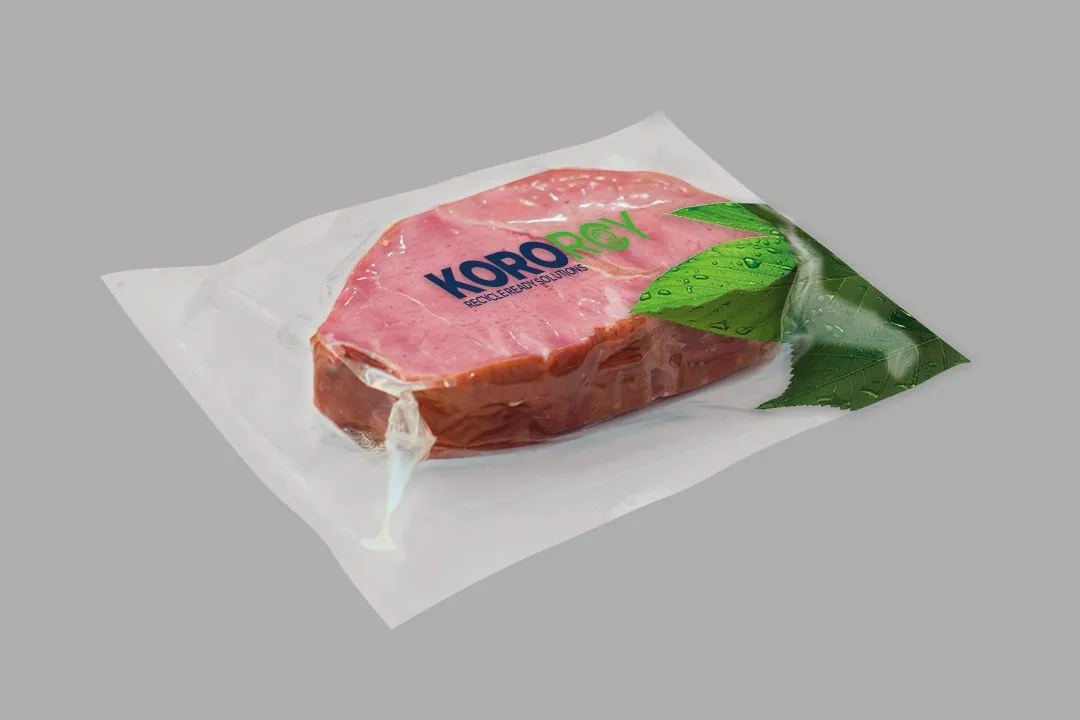 Korozo Group says flexible packaging should combine measurable material reduction and improved recyclability with reliable sealing to enhance product safety (Image credit: Korozo Group).
Korozo Group is addressing the challenges through application-specific material design, close technical cooperation with our customers, and extensive testing and validation.
“We evaluate the complete packaging system to identify the most suitable solution and ensure sustainability is the thread that ties it all together. This goes from the product and its shelf life requirements to the machinery, logistics, and end-of-life options,” shares Yürüm.
The future of the flexible market
Braskem’s Lombardi notes that the flexible pharmaceutical packaging market has traditionally been characterized by high-quality standard requirements and a strong emphasis on supply reliability. “The innovation cycles can be longer than in other industries, as material changes often require extensive testing, qualification, and regulatory approval.”
“Looking ahead, sustainability is expected to be one of the key drivers of innovation in the sector. While mechanically recycled plastics may have a role in certain applications, their use in direct pharmaceutical packaging will remain limited in many cases due to the stringent purity and performance requirements of the sector, as well as the fact that a significant share of healthcare and pharmaceutical waste is ultimately incinerated rather than recycled,” he suggests.
Lombardi furthers that circular solutions that focus on closing the carbon loop rather than solely the material loop may become increasingly important.
“Bio-based polymers and polymers derived from captured carbon can offer the environmental benefits of reduced fossil carbon use while maintaining the virgin-quality material performance required for sensitive pharmaceutical applications. We expect these solutions to play an increasingly important role in helping the industry balance its sustainability ambitions with its uncompromising safety and performance requirements.”
The future of flexible packaging relies on balancing between circularity, resource efficiency, and performance.
“Flexible protein packaging has evolved from offering product protection into an all-encompassing and highly engineered part of the food value chain,” shares Yürüm.
”The market is already moving toward lighter and more recyclable structures, greater use of mono-materials, and packaging aligned with the Circular Economy. Regulation and brand sustainability commitments will accelerate the transition.”
“These solutions must still provide the barrier and mechanical performance needed to protect and preserve sensitive protein products. We anticipate deeper collaboration between brands, food producers, packaging manufacturers, equipment suppliers, and recyclers.”
Lombardi points out that there is a growing interest in bio-based materials, monomaterial packaging structures designed for recyclability, and downgauging solutions that reduce material consumption while maintaining performance.
“At the same time, manufacturers are exploring alternatives to traditional materials such as flexible PVC and glass in certain applications, driven by concerns around additives, breakage risks, and transportation efficiency,” he adds.
“We also expect demand for high-performance PE solutions to continue growing across applications such as medical pouches, IV bags, pharmaceutical bottles, and sterilizable packaging.”