


Packaging decarbonization: PET’s carbon advantage meets plastics’ systemic challenge


Key takeaways
- New reports have identified material transitions, recycling, lightweighting, renewable energy, and manufacturing efficiency as key packaging decarbonization strategies.
- The reports suggest that PET can generate fewer life cycle emissions than glass or aluminum in some applications.
- NAPCOR outlines a pathway to cut PET’s life cycle GHG emissions by around 57% by 2050, but rising plastic volumes remain a system-level challenge.
The packaging industry is exploring many routes toward decarbonization. While some companies invest in renewable energy and others switch to bio-based materials, the goal remains the same: to reduce the amount of carbon dioxide and other GHGs released into the atmosphere due to human operations.
The packaging sector is linked to CO2 and GHG emissions through raw material extraction, energy-intensive manufacturing, transportation, and waste management processes such as incineration.
Two recent industry reports have highlighted pathways that can further decarbonize the sector, focusing on which materials and processes have lower carbon footprints. The reports explore how, on one hand, the plastics industry faces growing scrutiny over its carbon-intensive processes, while on the other, per-package LCAs indicate that certain plastics, such as PET, can outperform glass and aluminum.

Chenavari Investment Managers’ recent white paper on decarbonizing the packaging industry explores the upstream sources of carbon emissions from an investment and industry-transition perspective. It argues that decarbonization is “fundamentally a materials transition,” rather than only the increasing of factory efficiency.
Meanwhile, the latest analysis from the National Association for PET Container Resources (NAPCOR), an industry funded trade association, outlines how the US PET sector has the potential to offer a lower carbon footprint than non-plastic packaging materials.
Packaging Insights speaks to Srinivasan “Shankar” Prabhushankar, technical director at NAPCOR, and Stephanie Paillat, head of responsible investment at Chenavari, to explore the tension between different methods of decarbonization.
System-level carbon reduction
Conventional plastic is derived from fossil-based raw materials, such as oil, natural gas, or coal, whose extraction and conversion into polymers are energy-intensive processes.
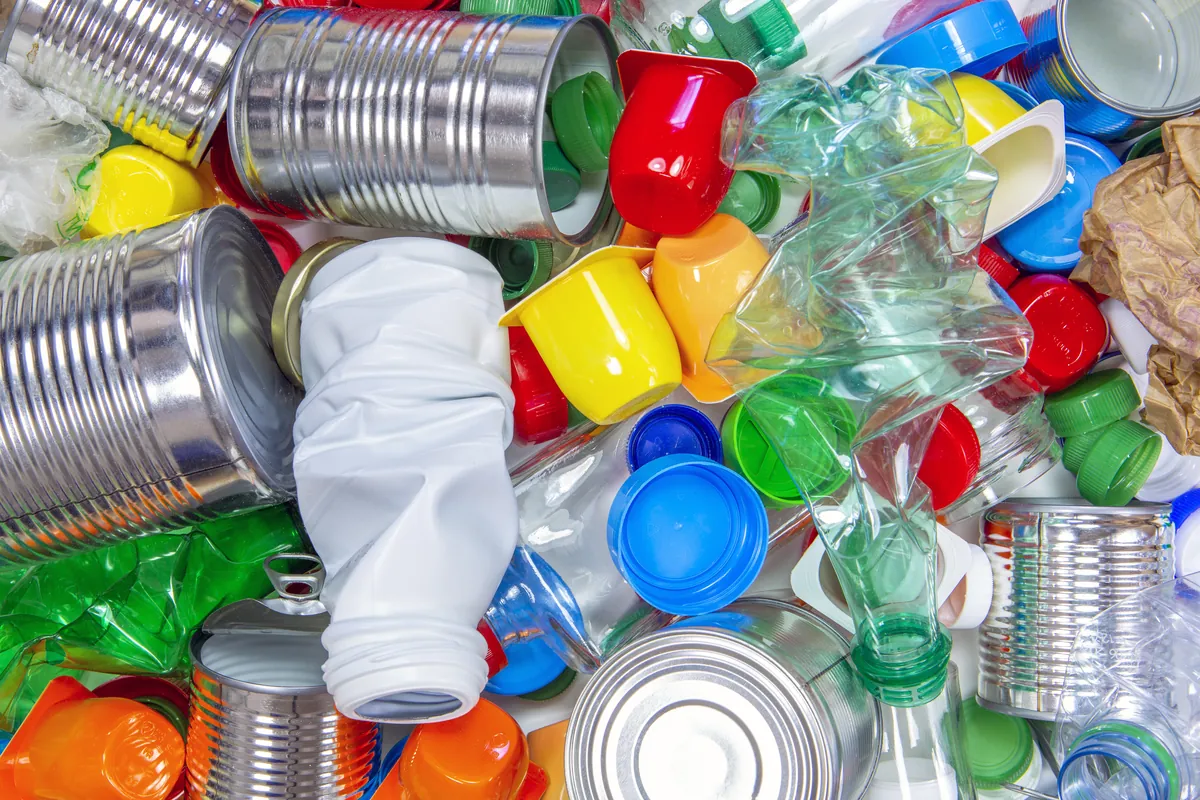 PET bottles can have a lower life cycle carbon footprint than glass bottles or aluminum cans.“At system level, plastic remains the packaging sector’s central emissions challenge as it is already the largest contributor to packaging-related emissions and continues to grow in absolute volume,” says Paillat.
Meanwhile, she outlines that two “fundamental challenges” remain unresolved: how to recycle plastics effectively at scale and how to fully decarbonize the material itself.
Plastics’ circularity often “lags behind” other materials, explains Paillat, noting that in the EU roughly 42% of plastic packaging is recycled, while the figure is 75% for glass packaging, 76% for aluminum cans, and 82% for steel.
She adds that globally, around 14% of plastic packaging is collected for recycling, and most of the recovered material goes into lower-value products.
Paillat says: “Moreover, unlike metals or glass, carbon is intrinsic to the material itself [plastic] and most production still relies on fossil-based feedstocks, making full decarbonization inherently more challenging.”
Carbon emissions generated from packaging production are of increasing concern as global warming intensifies and the risk of irreversible impacts increases. Recently, Packaging Insights spoke to Coveris and Sealed Air about their carbon-smart packaging innovations, detailing the current trends occupying this space as well as technical challenges in creating lower-carbon packaging.
Material-specific carbon assessments
However, the picture changes when looking at PET plastic, which often outperforms glass and aluminum in carbon LCAs, according to Paillat and Shankar. PET is often the standard plastic for bottles and containers. It has the number one resin identification code and can be recycled many times.
“It is important to distinguish PET beverage packaging from ‘plastics’ as a broad category and to distinguish total global emissions from the emissions associated with delivering a specific amount of beverage,” underscores Shankar.
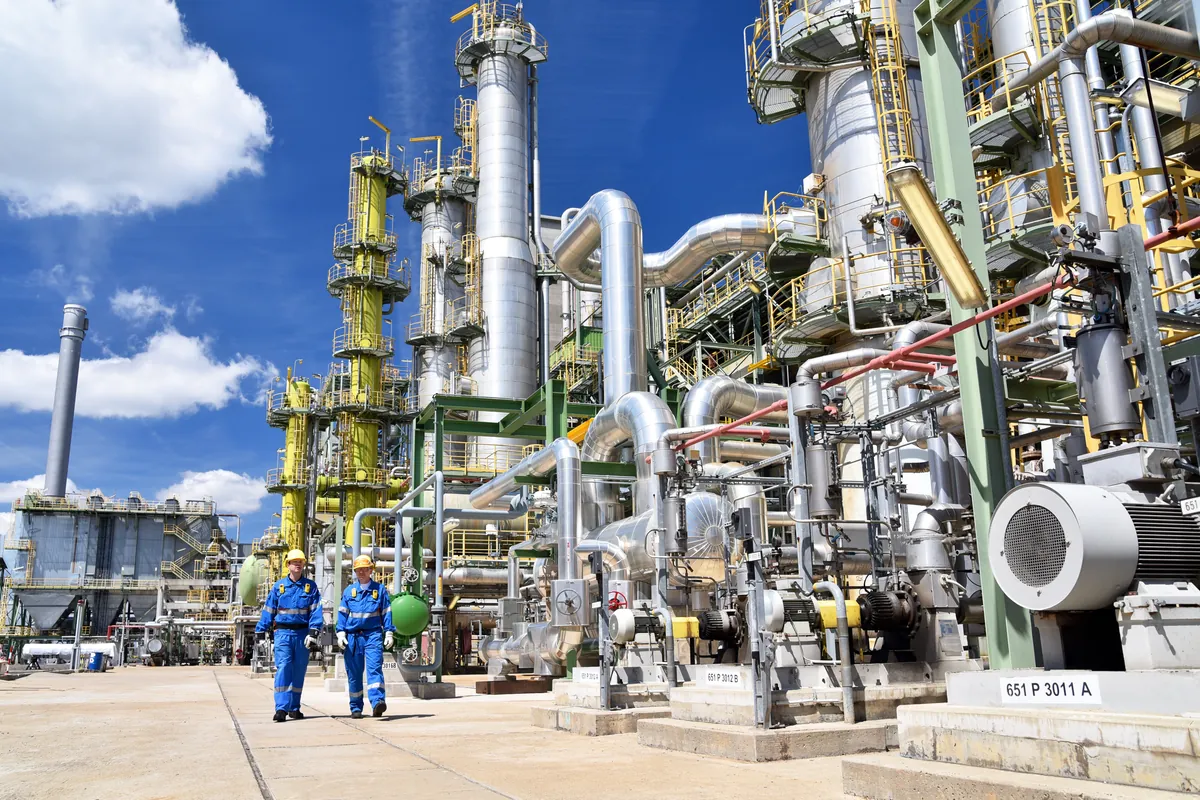 Rising plastic production volumes remain a system-level challenge for packaging decarbonization, says Chenavari's Paillat.A 2023 study by NAPCOR disclosed that the PET bottles generated fewer life cycle GHG emissions than comparable glass bottles and aluminum can systems.
Meanwhile, Chenavari’s report cites a Sphera study, commissioned by PET packaging equipment supplier Husky Technologies, which revealed that for 500 mL carbonated drinks, both the EU and US PET bottles have a lower life cycle carbon footprint than glass bottles or aluminum cans, even where the latter carry high levels of recycled content.
Shankar suggests that this is due to PET’s lightweight, resource-efficient design that requires less material and energy to produce and reduces transportation-related emissions. He adds that NAPCOR’s latest report actively does not compare packaging materials. Instead, it offers readers a roadmap as to how the PET industry can reduce its carbon emissions further.
“We recognize the need to reduce PET’s emissions, but we also recognize that replacing PET with heavier, more energy-intensive materials could increase emissions rather than reduce them. Many independent studies confirm this,” he adds.
The report outlines a “practical” pathway to reduce life cycle GHG emissions by approximately 57% by 2050 and total annual emissions by approximately 42%, even as “production volumes grow.”
The plastic paradox
NAPCOR’s analysis predicts that the PET bottle industry will continue to grow until 2050, based on the “historical growth” of the sector in the last five decades.
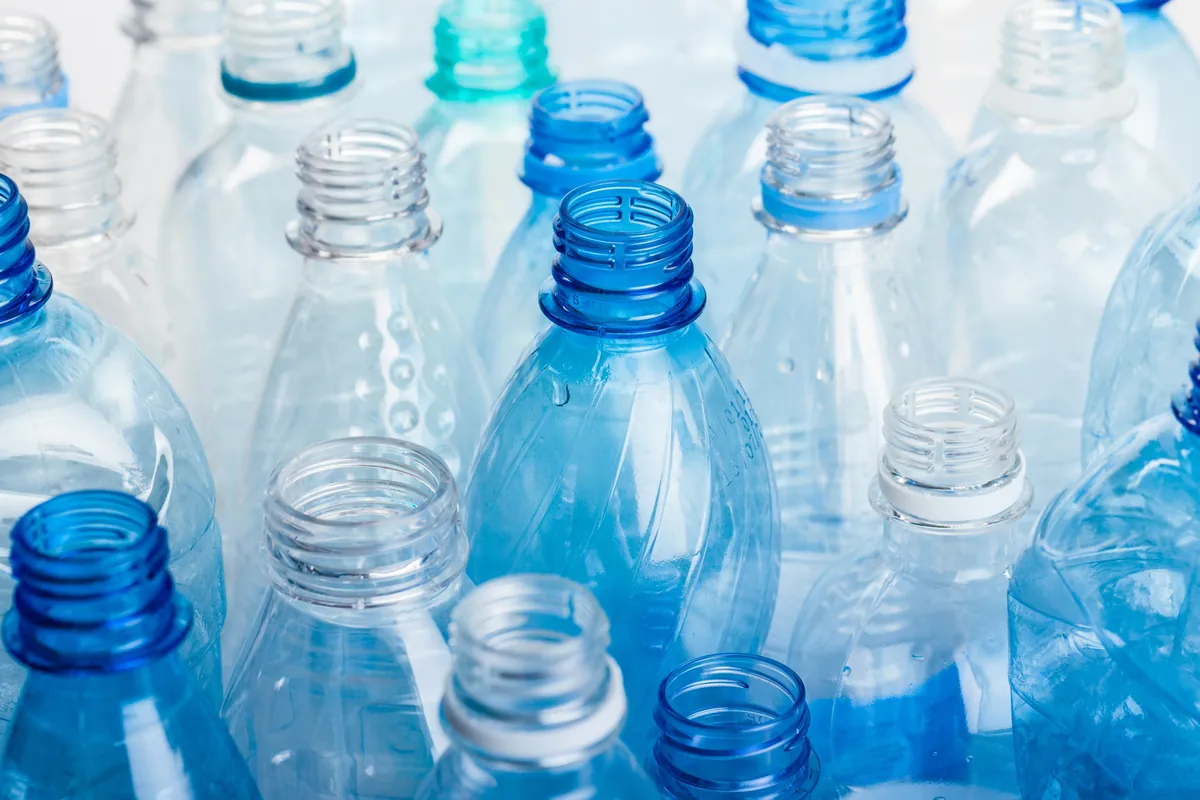 NAPCOR outlines a pathway to cut PET’s life cycle GHG emissions by around 57% by 2050.Yet, Paillat argues that PET production can be compatible with decarbonization, but only if the carbon intensity of PET falls faster than volumes grow.
However, she concedes that viewing plastics as the “central challenge” to the packaging industry’s decarbonization efforts can coexist with PET’s perception as a lower-carbon alternative to other packaging materials.
“Both can be true at the same time, and the reconciliation lies in distinguishing per-package carbon performance from system-level impact,” Paillat says, adding that on a per-package basis, PET can outperform glass and aluminum in “certain single-use applications.”
“PET can be the lower-carbon choice for a given bottle. Plastics as a category, however, remain the packaging sector’s biggest structural emissions challenge,” she adds.
“The industry needs to pull on four levers together: reduce (use less material overall), reuse and recycle (keep the material that is used in circulation for as long as possible), and renew (to reduce the carbon intensity of the material used).”
Shankar asserts the protective role of packaging in reducing damage, spoilage, and external elements during transport, storage, and handling.
“All packaging materials have an environmental footprint,” he says. “That is precisely why NAPCOR commissioned this research for the PET plastic industry to show that the packaging industry can make an informed choice.”