

Middle East conflict causes plastic bag shortages in South Korea


Key takeaways
- Geopolitical tensions in the Middle East have led to a shortage of naphtha feedstock in South Korea, disrupting the nation’s plastic packaging industry.
- South Korea’s largest chemical company LG Chem is temporarily shutting down its naphtha cracker at the Yeosu complex.
- The government is monitoring the situation to prevent panic buying of garbage bags, while local governments have been directed to check inventory levels.
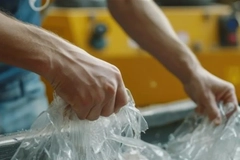
The ongoing Iran war and broader geopolitical tensions in the Middle East have triggered a shortage of naphtha feedstock in South Korea, impacting the stability of the nation’s plastic packaging industry.
Naphtha, a raw material of petrochemical plants, is crucial for crude oil distillation. It is used to produce first-generation plastic products like ethylene and propylene, which can then be polymerized to create synthetic resin materials.
South Korea is a major importer of Middle Eastern naphtha, with much of it shipped through the Strait of Hormuz, currently disrupted due to the ongoing conflict involving Iran, the US, and other actors.
The Korea Federation of Plastics Industry Cooperatives says: “Recently, due to the surge in oil prices caused by the US-Iran conflict, synthetic resin suppliers have been notifying our member companies and others about price increases and reductions in supply volumes.”

Fears of a potential plastic bag shortage are spreading in South Korea. In response to consumer purchasing and stockpiling of plastic garbage bags, Park Dong-il, director general for Industrial Policy at the Ministry of Trade, Industry, and Energy, says: “We will carefully and calmly manage the situation to prevent exaggerated representation of the crisis in specific items from causing market disruptions or panic buying.”
The Ministry of Climate, Energy, and Environment has recently directed local governments to conduct an inventory check of plastic garbage bag stocks.
Plastic supply disruptions
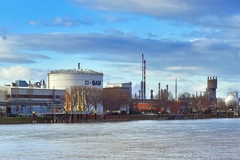
The naphtha supply challenge has affected South Korea’s largest chemical company LG Chem, which has temporarily shut down the No. 2 naphtha cracker at its Yeosu complex due to disruptions in feedstock linked to the Middle East.
LG Chem addresses that the temporary halt was caused by difficulties in securing naphtha feedstock for its naphtha cracking center. The company adds that it would restart production promptly once raw material supplies normalize.
An LG Chem representative says: “It would have been better if a government-level stockpiling system for naphtha had been in place.”
According to the Korea Federation of Plastics Industry Cooperatives, among the 37 surveyed companies, 71% reported receiving notices from petrochemical suppliers about potential reductions or suspensions in synthetic resin shipments. About 92% said they were informed of price increases for raw materials.
Rising oil prices caused by disruptions in the Strait of Hormuz are significantly impacting global packaging supply chains. Packaging Insights looked into sectors with high material intensity and tight margins, highlighting that they are “most sensitive to changes in raw material pricing.”