
Heinz brings back glass ketchup bottle at Walmart in nostalgia-driven campaign

Key takeaways
- Heinz celebrates 157 years with the return of its nostalgic glass bottle in the US.
- The campaign emphasizes brand heritage, cultural significance, and consumer rituals around mealtime.
- The limited-time bottles are available at Walmart, highlighting packaging’s role in recognition and purchase intent.
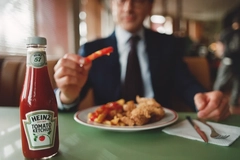
Heinz has reintroduced its glass ketchup bottle for its 157th anniversary, alongside an advertisement campaign featuring the “It has to be Heinz” slogan, developed by Wieden+Kennedy New York.
The glass bottle and advertisement campaign, titled “157 Years of Being Food’s Best Friend,” aims to capitalize on consumer nostalgia over the legacy brand.
“For 157 years, Heinz has been more than a condiment. It’s been food’s best friend, bringing people together and making everyday meals feel special,” Daniel Gotlib, VP for marketing at Heinz US, tells Packaging Insights.
According to the company, the glass bottle is one of its “iconic and requested assets.” Its return after a decade signals a shift in the importance of hereditary symbols in packaging.
Gotlib continues: “To mark the milestone, we’re bringing back our iconic glass bottles for the first time in a decade — giving fans new ways to share a nostalgic eating experience with the people they love and keep passing down Heinz-made moments around the table.”
The condiment giant suggests that the glass bottles represent a “cultural staple commonly associated with classic Americana.”
Marques Gartrell, chief commercial officer at Wieden+Kennedy New York, says: “This platform was built around the small, recognizable behaviors that happen when a brand becomes part of people’s rituals and memories. Instead of trying to reinvent Heinz, the work simply pays attention to the role it already plays in everyday life and culture.”
The bottles will return to shelves for a limited time only at Walmart stores.
Tapping into nostalgia
Packaging design and branding are increasingly important as brands seek to stand out in a crowded market.
New research from Adelaide University, Australia, revealed that modernization of packaging can indirectly impact purchase intent.
Dr. William Caruso, senior marketing scientist at Adelaide University, told Packaging Insights: “Consumer familiarity with packaging elements, known as distinctive assets such as logos, images, styles, characters, colors, typography, and layout, plays a key role in shaping purchase intent by making products easier to recognize and recall in crowded retail environments.”
Recently, in anticipation of the upcoming FIFA World Cup 2026 (June 11–July 19), Nestlé launched a limited edition of Leite Moça condensed milk cans featuring football-inspired packaging in Brazil. The solution aims to tap into the “energy and rituals” of football fans, as well as community gatherings and traditional foods eaten when watching games.
Meanwhile, Coca-Cola reintroduced Diet Coke in 200 mL glass bottles across India in response to rising aluminum costs, sparking consumer debate over premium pricing.