


Hydropac upgrades HydroFreeze ice packs to strengthen cold chain efficiency


Key takeaways
- Hydropac has introduced an upgraded HydroFreeze water-based ice pack range designed for multiple sectors, including pharmaceuticals, perishables, and consumer goods.
- The new ice packs freeze faster and thaw more slowly than Hydropac’s previous gel- and water-based solutions.
- HydroFreeze is compatible with standard commercial units, reducing reliance on ultra-low-temperature infrastructure.
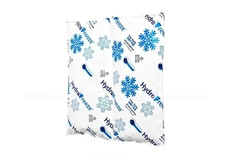
Hydropac has launched an improved water-based ice packaging range, HydroFreeze, to boost cold chain efficiency across sectors.
The new solution is an upgrade in Hydropac’s ice pack offering. The company aims to help brands “protect chilled and frozen product quality, improve operations, and meet growing sustainability expectations.”
Colin Rowland, managing director at Hydropac, says: “Whether you’re shipping pharmaceuticals, perishables, or consumer goods, the new HydroFreeze ice pack range offers better control of your cold chain.”
“It helps brands, packers, and logistics teams meet increasing demands — from operational efficiency to sustainability targets.”
Extended cold chain protection
Compared to the company’s previous gel-based ice pack and water-based ice pack, the new HydroFreeze ice packs are said to freeze faster, delivering energy savings and allowing quicker pack preparation, which is key during peak periods or for same-day dispatch.
The new icepacks are said to offer longer thaw protection. The slower thaw time can mitigate cold chain breaks caused by traffic, misroutes, or handover delays, which can lead to product rejection or recalls.
The packaging is also developed for suppliers to switch to standard commercial freezing units, reducing the need for ultra-low-temperature infrastructure and saving capital investment.
Hydropac has been advancing sustainable solutions for cold chain logistics. Last year, it launched Wool Thermal Postal Pockets, replacing its previous plastic-based solution.
Meanwhile, researchers in Finland and Spain developed a bio-based packaging solution for cold-chain food transport amid consumer demand for sustainable and functional food packaging that offers thermal regulation and antibacterial protection.
Recently, scientists at Aston University, UK, and the Ugandan agribusiness Rural Aquaculture Development Global developed RADiCool, an affordable, portable cold box that keeps food fresh without access to grid electricity.