



Ineos’s Project One permit faces legal scrutiny over emissions risks


Key takeaways
- A coalition of NGOs is challenging the Flemish government’s approval of Ineos’s ethane cracker, Project One, over concerns about environmental and health impacts.
- The court hearing could establish broader implications on how emissions are considered in future industrial permits.
- The NGOs argue that the facility’s emissions and contribution to plastic oversupply warrant a reevaluation of the project’s permit.
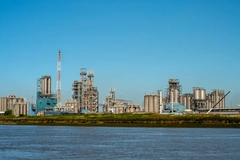
A coalition of NGOs is challenging the Flemish government’s approval of Ineos’s Project One, an ethane cracker in Belgium, due to concerns over the environmental and health impacts associated with the plant's emissions.
Project One has been at the center of legal disputes since it was first suggested in 2019. Following a hearing yesterday at the Flemish Council for Permit Disputes, a ruling on Project One is expected in the next two months.
Previously, Nathalie Meert, communications and external relations manager at Ineos, explained to Packaging Insights that the energy company was disappointed that NGOs continue to pursue legal obstruction rather than “open dialogue, despite our clear invitation to engage directly on their concerns.”

Tatiana Luján, who is leading the case at ClientEarth, one of the NGOs challenging the permit, tells us: “Since 2020, we’ve been in court fighting Project One. According to the experts we consulted, the plant threatens local communities through its projected health impacts and would further degrade the surrounding nature that has already faced years of industrial pollution.”
“It’s entirely out of touch with the reality of climate change, the decline of the natural world, and the increasing evidence of what plastics do to our health.”
The plant, which is still under construction, will produce ethylene, a key chemical building block for PE and many other polymers. According to Ineos, it has made significant invested in advanced recycling, circular design, and low-carbon plastics production. It also supports a Global Plastics Treaty that is “ambitious, science-based, and focused on outcomes, not ideology.”
Meert told us: “This constant cycle of litigation undermines the very legal certainty Europe needs if it is serious about industrial renewal and decarbonization.”
Health risks linked to emissions
In 2023, the Flemish government approved a permit for the ethane cracker. Around a year later, it was annulled by the Flemish Council for Permit Disputes after a successful legal challenge that argued Ineos had provided an incomplete environmental assessment.
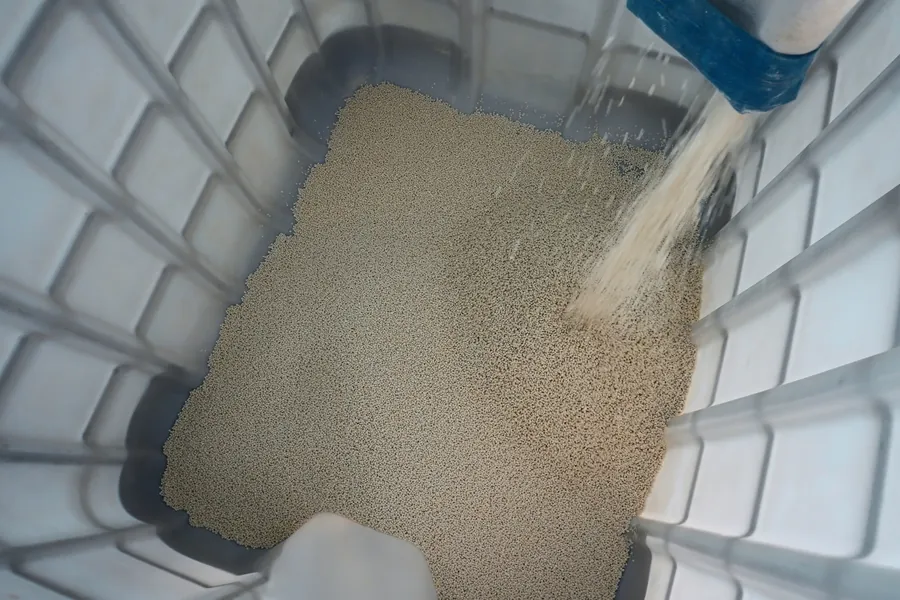 Project One will produce ethylene, a key chemical for PE and other polymers, and aims to boost Europe's plastics industry.According to Luján, Ineos characterizes many of the facility’s impacts as negligible or insignificant. Ineos states that the Project One will be the most energy- and raw material-efficient ethane cracker in Europe, with "by far the lowest" carbon emissions.
“We deeply disagree,” says Luján. “The experts we consulted consider that the impacts of the plant on the environment and on people’s health are considerable.”
In the case of Project One, concerns over emissions come from the fracking and processing of gas in the US to feed the plant, and the downstream emissions of incinerating eventual plastic waste.
New reports commissioned by environmental NGOs as evidence for a legal challenge last November, estimate 410 deaths attributable to emissions of toxic particles from Project One, once operational.
Other projected impacts from the environmental NGOs reports include over 100 new cases of asthma in children and hospitalizations for respiratory and cardiovascular complaints.
An “oversaturated market?”
After the successful legal challenge in 2023, construction at the Antwerp facility was halted. However, after a revised permit was submitted by Ineos, the Flemish government reissued the permit in 2024.
“The permit shouldn’t have been granted without authorities having a full picture of the [health and environmental] impacts and the public having access to this information,” adds Luján.
Since then, Project One has gone through a back-and-forth legal process, of which the hearing yesterday was the latest development.
Luján explains that, if the hearing is favorable for the NGOs, plans like Project One will have to take into account the full emissions along the plastic supply chain.
 Luján argues that the industry needs to be “phasing down” petrochemical production and invest in more circular-based projects.“This would make petrochemical companies think twice before building a new facility. We already have more petrochemicals being produced than we need. More petrochemical plants fuel further plastic production, which then floods an already oversaturated plastics market.”
She argues that the industry needs to be “phasing down” petrochemical production and invest in more circular-based projects.
Conversely, Ineos’ Meert told Packaging Insights that continued environmental attacks on Project One send “a stark warning to anyone thinking of investing in Europe: even world-leading, low-carbon projects are being dragged through the courts while high-carbon imports flood in unchecked from regions with far weaker environmental standards.”
Project One’s broader implications
Project One promises to bring economic uplift to Europe’s plastics industry, which is facing increased pressure amid the continued blockade of the Strait of Hormuz.
Luján highlights that the court’s ruling could have implications beyond Project One. “The court’s decision will clarify how a company measures the whole impact its project has on the environment and public health.”
The court is expected to decide if environmental impact assessments in permit applications must account for the full emissions portfolio, from fracking to plastics’ end-of-life, of a project.
“This is something our lawsuit argues is glaringly absent from INEOS’ submissions,” adds Luján.
“If the court follows our reasoning on the full emissions portfolio, a favorable ruling would send a strong signal to companies still banking on plastic’s future. There is no need for more facilities like Ineos’ Project One to be built anywhere.”
She concludes: “The law is clear, and we are looking forward to the court’s decision.”