

Singapore to launch national DRS for beverage containers in April


Key takeaways
- Singapore begins its DRS on April 1 with a S$0.10 deposit on plastic bottles and metal cans.
- The scheme aims to recover 16,000 tons of materials from over 1 billion containers annually.
- Return points and public campaigns aim to encourage citizens to recycle.
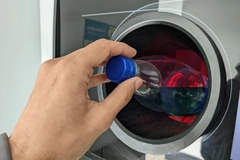
The Beverage Container Return Scheme (BCRS) will launch Singapore’s DRS for metal cans and plastic bottles this April.
Starting next month, the scheme will cover more than one billion beverage containers used annually, allowing the scheme operator to recover over 16,000 metric tons of material per year.
We speak to the BCRS to hear more about the DRS’s setup and how the scheme operator plans to encourage citizen participation.
“From April 1, a fully refundable deposit of S$0.10 (~US$0.08) will apply to all pre-packaged beverages sold in plastic and metal containers ranging from 150 mL to 3,000 mL. Consumers who purchase these containers can return them to designated points to claim their refund,” a BCRS spokesperson tells Packaging Insights.

“To ensure a smooth rollout, a transition period from April 1 to September 30 allows the sale of both existing stock and new beverage containers with the scheme’s deposit mark and registered barcode.”
“Effective October 1 of this year, the scheme will be fully implemented. Only products bearing the official deposit mark and barcode will thus be permitted for sale.”
Raising awareness
The BCRS tells us return points for empty beverage containers will be located at SFA-licensed supermarkets — national retail establishments in Singapore authorized by the Singapore Food Agency to sell raw meat/seafood or conduct on-site food preparation — with a floor area larger than 200 square meters. Return options will also be available in publicly accessible spaces such as the void decks of public housing blocks and town centers.
“BCRS will share more details on the return points in due course.”
The scheme aims to catalyze changes in behavior among Singaporeans, encouraging them to be more mindful of the packaging they consume; to practice good recycling habits, such as emptying bottles before returning them; and to reduce littering to keep shared spaces clean.
“To support the behavior change required, a public education campaign will be launched across multiple channels closer to the commencement of the scheme,” says the spokesperson.
“This outreach includes digital and social media content, out-of-home advertisements, and media stories to raise awareness.”
“There will also be community activities to provide hands-on guidance, ensuring that residents of all demographics understand how to use the reverse vending machines and can adopt the habit of returning their empty containers.”
But given the six-month transition period, the BCRS anticipates that the majority of BCRS containers will only appear on the shelves from June this year.
“As such, communication and outreach to the public will be progressively ramped up to minimize confusion among consumers as nearly all the beverages sold on April 1 will be non-BCRS containers.”