


Lack of clarity over UK pEPR legislation “paralyzing” for brands, warns Aquapak


Key takeaways
- Aquapak highlights the potential for pEPR regulations to increase UK family grocery bills by £312 annually.
- The lack of clarity in pEPR definitions and guidance is leading brands to pass on the costs to consumers rather than investing in sustainable packaging innovations.
- Aquapak’s Dr. John Williams, calls for clearer, science-based regulations to foster packaging innovation and avoid inflationary pressure.
 Dr. John Williams, chief technology officer at Aquapak.
 As EPR regulations come into effect around the world, Aquapak Polymers, a UK-based manufacturer of flexible plastics, has warned that unclear definitions stifle innovation, leading brands to absorb costs and place them onto consumers.
Aquapak argues that the UK’s packaging EPR (pEPR) — which came into effect in October 2025 — lacks clarity due to changes in definitions and shifts in guidance. Packaging Insights speaks with Dr. John Williams, chief technology officer at Aquapak, about the cost of EPR regulations for everyday consumers, highlighting how brands are absorbing those costs rather than innovating with circular materials.
Where do you expect the biggest pEPR-related cost increases to be felt first?
Williams: The idea behind EPR is simple enough: make the producer financially and operationally responsible for the packaging they put on the market, and for the waste and recycling that follows.

In theory, that shifts the costs of collecting, sorting, and recycling away from local authorities and taxpayers and onto producers themselves. This should encourage smarter packaging design, lighter materials, and less wasteful formats while easing pressure on public budgets.
However, instead of pushing for better design, some are simply absorbing the fees and passing the cost on to consumers, even though consumers already pay council tax toward the cost of disposal. A cost that was supposed to be a tax on the brand, but the consumer will end up paying for it twice.
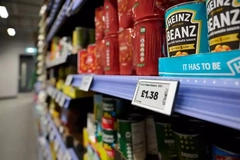
We estimate that this could increase the annual grocery bill for the average UK family of four by £312 (US$420).
Are pEPR costs manageable for brands operating on tight margins?
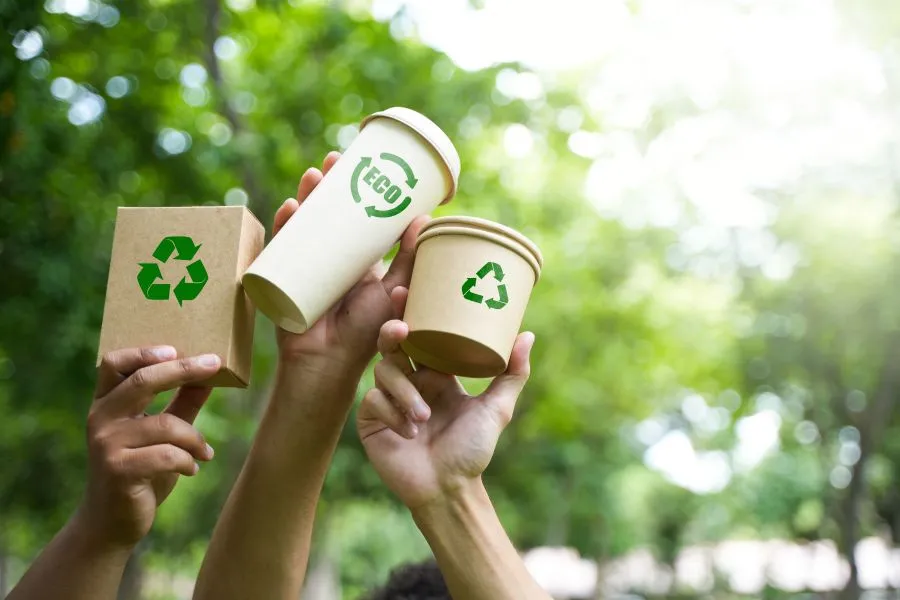 Instead of pushing for better design, companies are absorbing the fees and passing the cost on to consumers, says Williams.Williams: The lack of transparency on pEPR fees, which can be passed on to the consumer without identification, allows the costs to be “managed.” Even though there is clearly competition between brands, if they all have this option, then the competitive price battle on this aspect is canceled out.
Are consumers being adequately prepared for the price implications of pEPR?
Williams: I am not sure consumers are being prepared at all for pricing changes as a consequence of pEPR. At the moment, pEPR costs are not disclosed on consumer receipts, so they remain hidden. When consumers become more aware of the costs being passed on to them, on top of inflation and the rising cost of living, it will be seen as a stealth tax.
Could pEPR widen the gap between businesses that can invest in redesign, compliance, and data systems and those that cannot?
Williams: Yes, it could. Larger brands with deeper pockets can invest in better design and new materials. However, there’s a lack of clarity with the pEPR regulation because of definition changes, guidance shifts, and “illustrative fees” for those developing new, more sustainable solutions, such as converters, material innovators, and coating suppliers.
Many innovations have focused on more sustainable paper-based solutions, yet the definition of what qualifies as “paper” and what counts as “recyclable” has become inconsistent and, in some cases, contradictory. There’s a risk that this confusion and complexity will stifle innovation, even for those who can afford it.
How can pEPR regulations avoid becoming inflationary?
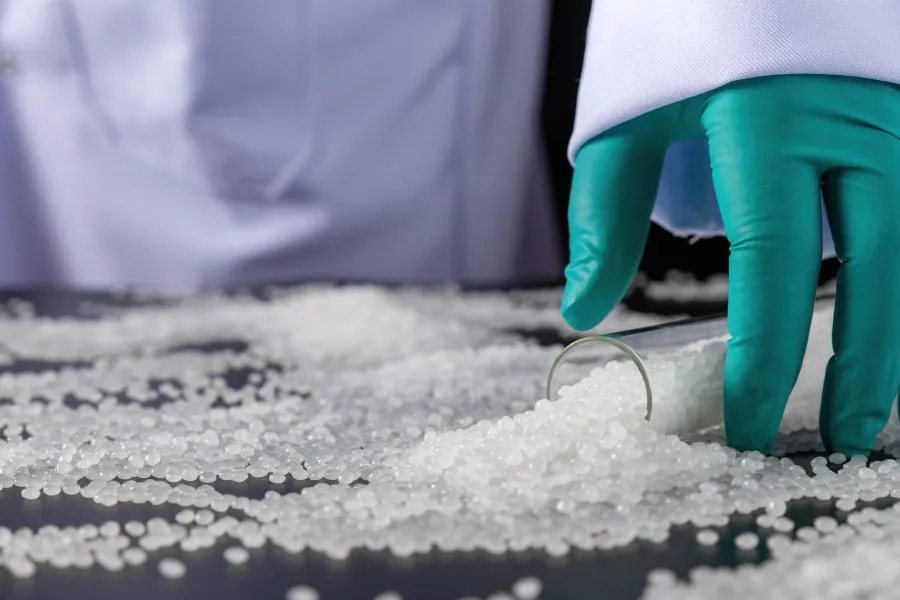 Aquapak’s Hydropol offers barrier performance without compromising recyclability, but faces higher fees and reduced recyclability under current UK pEPR rules.Williams: From the perspective of converters, material innovators, and coating suppliers, the current situation is muddy. Definitions change, guidance shifts, and “illustrative fees” keep everyone second-guessing. For those developing new, more sustainable solutions, that lack of clarity is paralyzing.
Take Hydropol, developed by Aquapak, as an example: a water-soluble, fully recyclable polymer designed to be extrusion-coated onto paper. It enables barrier performance without harming recyclability, yet under today’s compositional rules, it is automatically treated as a “fiber composite,” subject to higher fees and reduced recyclability claims.
This is exactly the kind of innovation we should be encouraging, yet it sits on the wrong side of an arbitrary definition. There’s no real incentive for brands or packaging designers to take risks or develop new solutions when the system penalizes rather than rewards progress.
It’s time for science-based assessment, not arbitrary thresholds. Recyclability should be proven by performance testing and fiber recovery, not by a fixed percentage rule. Only then will we start to see the collaboration, clarity, and confidence needed for packaging innovation to thrive and for pEPR to deliver on the promise it was designed to fulfill.