


South Africa’s paper recycling climbs but industry calls for better practices

Key takeaways
- South Africa’s paper recycling rate has increased to 63.3% in 2025, up from 60% in 2024.
- PAMSA says that increased recycling reflects the efforts of informal waste pickers, schools, and small businesses.
- The association urges further consumer awareness and proper waste separation to reduce landfill waste.
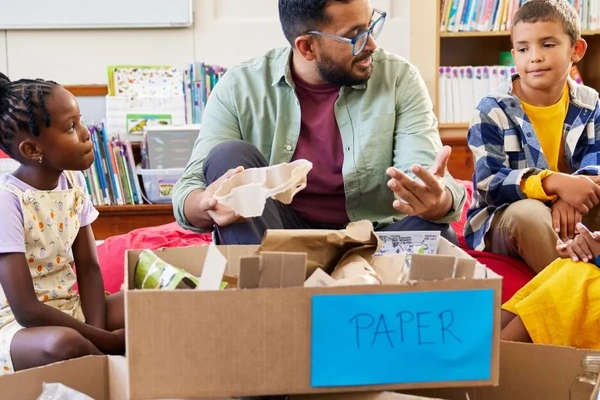
The Paper Manufacturers Association of South Africa (PAMSA) has announced that the country reached a 63.3% paper recycling rate in 2025, but notes that wider consumer awareness is needed to bolster recycling rates.
Up from 60% in 2024, the latest figure was a result of national and regional collection systems, highlighting the importance of small recycling businesses, schools, and informal waste pickers.
According to PAMSA, the increased recycling rate reflects the role that consumers play in keeping recycling materials in circulation. However, the association also notes that more needs to be done to inform consumers and local establishments of correct recycling processes.
Samantha Choles, communications manager at PAMSA, says: “Unfortunately, a substantial volume of paper is still ending up in landfill or the environment due to poor waste separation and recycling habits.”
“We really want to encourage people to put cardboard boxes and paper bags out for collection by informal collectors. If these materials are placed in wheelie bins, they often become dirty and wet, making them far more difficult to recover and recycle.”
Local recycling efforts
Key to improving South Africa’s paper recycling rate is office paper and paper packaging like cardboard boxes and grocery bags — which are “widely used and highly recyclable.”
PAMSA is also directing its attention to businesses, schools, and homes, urging consumers to recycle paper used in these locations.
“Put containers at printers, desks, and in classrooms to make it easier for people to recycle,” advises Choles.
“By making a few simple changes at home, work, and school, consumers can help ensure that paper products get a second life instead of ending up in landfills, which are rapidly nearing capacity.”
According to PAMSA, around 1.2 million metric tons of paper and paper packaging are diverted from landfill each year in South Africa. These are returned to the recycling loop and used to produce new paper products such as packaging and tissue.
The association urges consumers to identify paper that can or cannot be recycled. Moreover, it suggests keeping paper and cardboard separate from wet or food waste to reduce contamination.
Plastic windows, tapes, and metal staples should be removed from paper packaging, says PAMSA.
Finally, the group urges consumers to put out paper waste for informal neighborhood collectors.
Choles concludes: “Every cereal box, cardboard box, or office document that is separated for recycling helps keep valuable fiber in the production loop. By building simple recycling habits, consumers can help South Africa continue improving its recycling rate.”
In other paper-based news, a recent Carbon Footprint Study by ProCarton revealed an 8% reduction in fossil carbon emissions from carton packaging between 2021 and 2024, due to investment in renewable energy across mills and converters.