



Renewable energy lowers carton packaging emissions, finds report


Key takeaways
- Pro Carton’s 2025 study reports an 8% reduction in fossil carbon emissions from carton packaging between 2021 and 2024.
- Renewable energy adoption at mills and converters is driving most of the emissions decline.
- Raw material inputs and logistics changes have increased some emissions across the supply chain.

Pro Carton’s 2025 Carbon Footprint Study has revealed an 8% reduction in fossil carbon emissions from carton packaging between 2021–2024, due to investment in renewable energy across mills and converters.
The report highlights that the production of cartonboard accounts for 73% of the material’s total fossil carbon footprint, resulting from the combustion of fossil fuels at pulp and paper mills. Moreover, it highlights that converting cartonboard into folding cartons accounts for 21% of the fossil carbon footprint during the assessed period.
The report also highlights how “changes in raw materials consumed other than cartonboard and changes in logistics have resulted in slightly increased emissions.”
“The reduction reflects changes in the industry’s move away from fossil fuels in cartonboard production and sustained investment in decarbonization,” Winfried Mühling, director for marketing and communications at Pro Carton, tells Packaging Insights.

“Pro Carton members have been investing substantially in renewable energy and energy efficiency, and that’s starting to show in the numbers.”
In 2021, fossil fuels accounted for 46% of the fuels consumed at the mills. By 2024, the share had fallen to 39%, explains Mühling, while the use of low-carbon electricity increased to around 66%.
“That transition in how mills and folding carton producers generate and source energy is the biggest factor behind the reduction we’re seeing in the fossil carbon footprint of carton packaging.”
Renewable energy sources
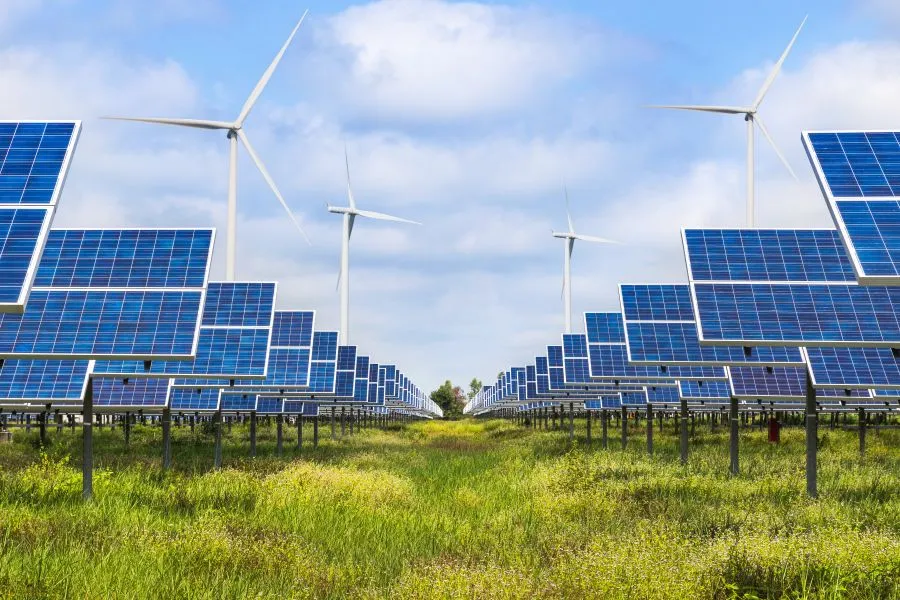 Switching to renewable energy sources in carton packaging production reduces carbon emissions, says Mühling.Mühling says that, because of the production of cartonboard’s fossil carbon footprint, improvements at the mill level make a “significant difference.”
“Measures such as more efficient processes and a greater use of renewable energy are helping to reduce overall energy demand. Investments in solar energy across the entire value chain and in sourcing other green energy also contributed to the reduction.”
Biofuels are another source of energy that mills have been exploring, typically made from wood-based residues and by-products from forestry and pulping processes.
Mühling adds: “These come from sustainably managed European forests. In a LCA, emissions from biomass are treated differently from fossil emissions because they’re part of the natural carbon cycle.”
“The study follows established frameworks used by the European paper and board sector to ensure that biogenic and fossil emissions are accounted for transparently.”
Logistics and transport impact
Another area of significance is transport logistics, although it remains a relatively small part of the carton’s overall carbon footprint.
“Transport remains a relatively small part of the overall footprint, accounting for around 6% of total emissions, but it can vary depending on supply chain patterns,” says Mühling.
“The increase we observed is mainly linked to changes in the reporting base. We doubled the reporting folding carton producers, and we attribute the small increase mainly to an increase in average transport distances between mills and converting sites.”
He notes that stakeholders along the value chain are investing in electric-powered road transportation and in rail transportation “where possible.”
Increased carbon emissions
 The report highlights that transport logistics are significant but remain a small share of the carton’s carbon footprint.The Pro Carton report also shows that changes in raw material consumption beyond cartonboard, as well as changes in logistics, have increased carbon emissions.
The report says: “Emissions from purchased raw materials other than cartonboard at carton converting facilities have increased by 9 kg CO2 equivalent per metric ton of cartons, which can be attributed to changes to the survey sample and evolution of product portfolios resulting in variations in the materials used.”
Moreover, it highlights that emissions from logistics increased by 4 kg CO2 equivalent per metric ton of cartons, which Pro Carton argues was due to a higher impact for delivery of the cartonboard from the mills to the converting sites.
According to the report, the majority of this increase was due to a “higher impact for delivery of the cartonboard from the mills to the converting sites.”
“Energy use in production remains the biggest contributor, although upstream materials and processing inputs are also part of that overall production footprint,” concludes Mühling.