


World Cleanup Day 2026: Packaging sector tackles plastic pollution and recycling gaps


Key takeaways
- Packaging industry stakeholders marked World Cleanup Day 2026 with coastal clean-ups and calls for stronger recycling and circularity.
- Mitsui Chemicals’ Singapore affiliates collected marine litter from Coney Island, highlighting the impact of plastic waste on coastal ecosystems.
- Industry and nonprofit groups stressed that stronger data and standards, along with support for informal waste pickers, can help keep plastics in productive use while creating social value.
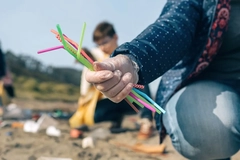
Packaging industry stakeholders took action to address plastic pollution on World Cleanup Day 2026, September 20, including conducting clean-up activities and calling for stronger recycling and circularity regulations.
Mitsui Chemicals Asia Pacific is a Japanese chemical manufacturer with a portfolio of packaging materials. In support of World Cleanup Day, the group’s Singapore-based affiliates partnered with local environmental organization SG Beach Warriors (SGBW) to remove marine litter from Coney Island, Singapore.
The clean-up collected plastic containers, straws, jerry cans, polystyrene foam, plastic bags, and wrappers, as well as single-use plastic cutlery. Mitsui Chemicals shares that the volume of waste underscores the ongoing challenge of marine pollution along Singapore’s coastline.

“The amount and diversity of litter collected highlights the continued impact of improperly disposed waste on coastal ecosystems. Many of the recovered items pose risks to marine wildlife through entanglement, ingestion, and habitat degradation,” says Mitsui Chemicals.
Advancing recycling economics
Meanwhile, Plastic is Fantastic Association (PiFA), an organization founded by Alpenplastik Lehner Alwin (ALPLA) and other companies in the plastics industry, is emphasizing the role of plastics within a circular economy.
The association argues that clean-up activities should be accompanied by measures that keep plastic materials in productive use through recycling and recovery. Modern recycling technologies can transform post-consumer plastic waste into secondary raw materials, according to PiFA.
Günther Klammer, chief technical officer of Austrian recycling technology company Next Generation Recycling, says: “At present, it is not possible to recycle plastic more cost-effectively than producing virgin plastic. Policymakers must create the framework conditions for efficient and economically viable recycling. The technologies already exist.”
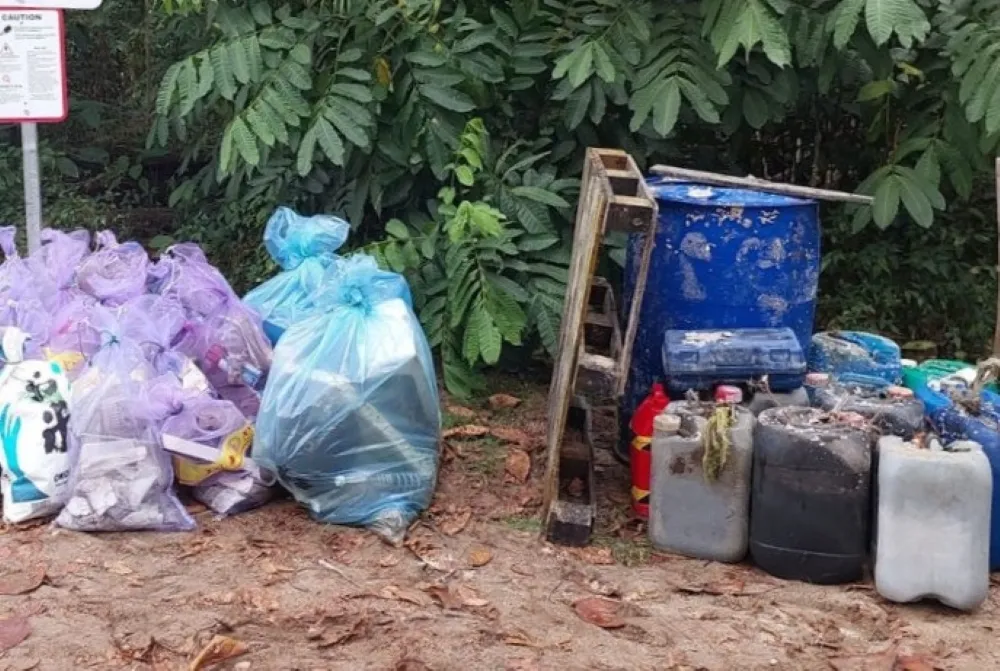 The clean-up activity aims to raise awareness of sustainable waste management practices (Image credit: Mitsui Chemicals).“Since fossil-based virgin plastic remains extremely inexpensive, used plastic is often mistakenly regarded as worthless. Recycling restores the material’s value.”
Sandy Lin, director at Da Fon Environmental Technology in Taiwan and PiFA’s cluster manager for Asia, shares that modern recycling goes far beyond producing recycled materials.
“The priority is building the data infrastructure and standards that make recycled plastics trustworthy for global brands. When we combine smart design, transparent data, and a robust recycling infrastructure, plastic becomes a core pillar of a sustainable future,” says Lin.
Providing fair income
In countries where waste infrastructure is limited, initiatives are integrating plastic collection with social programs. The Swiss non-profit organization Buy Food with Plastic uses plastic waste as a resource to tackle extreme poverty.
“What many people underestimate is that plastic waste has value,” says Khalil Radi, CEO at Buy Food with Plastic. “I am fully convinced that a country’s GDP would grow if it managed and monetized plastic waste professionally. By allowing people to pay for meals with collected plastic bottles, the organization creates an immediate economic foundation.”
According to a statement from the International Alliance of Waste Pickers this year, valuing the waste picker helps build a sustainable future and reduce social inequality. Earlier, Borealis collaborated with Kenyan social enterprise Ecopast to develop the country’s circular economy and promote the rights of informal waste pickers.
By funding Ecopost’s waste recycling activities and helping formalize waste pickers’ work by financing “entrepreneurial start-up kits for the youth and women groups,” Borealis aimed to contribute to the social welfare of communities.