


Packaging machinery manufacturers respond to sustainability requirements


Key takeaways
- Packaging machinery manufacturers are developing solutions to reduce material waste, energy, and water consumption while supporting recyclable packaging formats.
- Automation, digital intelligence, and system integration are helping manufacturers improve operational accuracy, efficiency, and sustainability.
- Machinery providers highlight the need to balance sustainability, cost, flexibility, and productivity as regulations, labor shortages, and customer expectations evolve.
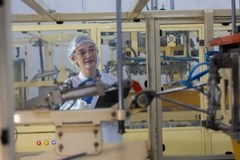
Sustainability credentials have become a must for the packaging sector, affecting machinery manufacturers as well. As a result, packaging machine companies are creating tools that promise low-impact product preservation, low costs, and smooth production processes.
Packaging Insights continues its conversation with Markem-Imaje, Multivac, Sidel, Syntegon, and UFlex to explore the packaging machinery factors they see as most impactful to the industry’s sustainability efforts.
Sumeet Arora, senior VP, Engineering Business Marketing at UFlex, explains that as sustainability pressures from consumers and regulations transform the packaging industry, machinery manufacturers are also playing a role in supporting this transition.

“While the environmental impact of packaging materials is often greater than that of machinery itself, equipment manufacturers can significantly contribute by improving manufacturing efficiency and enabling the processing of more sustainable packaging structures,” Arora argues.
“Modern packaging machines are designed to optimize material utilization, reduce waste during production, and improve energy efficiency through technologies such as servo-driven systems and intelligent motion control. They also need to reliably process newer recyclable packaging structures, which often behave differently from conventional laminates.”
Andrea Solfa, product manager for End of Lines and Tunnels at Sidel, adds that the future of packaging machinery lies in bringing together advanced equipment, digital intelligence, and sustainability-focused innovation within a connected production environment.
“The most successful manufacturers will be those that can balance productivity, flexibility, and environmental performance while remaining responsive to rapidly changing market demands.”
Low-impact hygienic production
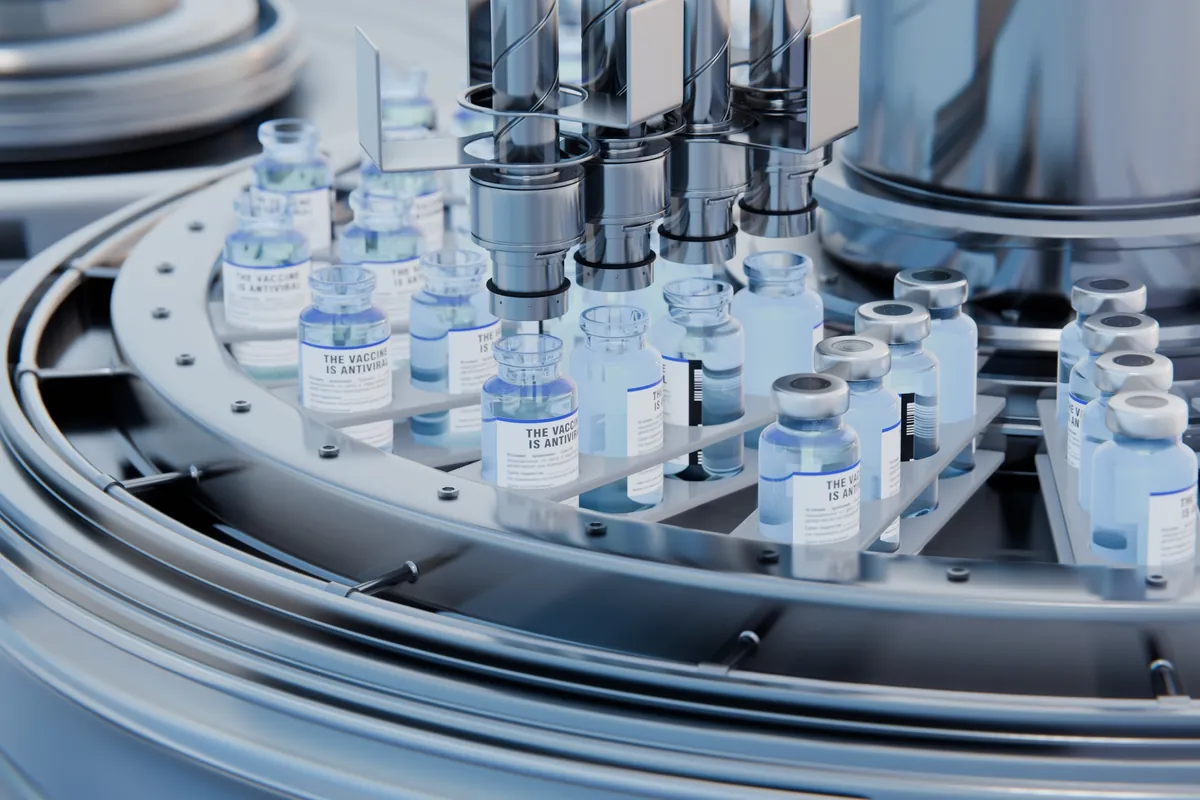 Packaging machinery innovations can help meet sustainability goals without compromising hygiene requirements.Elias Hashemian Nik, product manager for sterilization at Syntegon, discusses the sustainability considerations that pharmaceutical packaging manufacturers take into account when adopting packaging machinery.
“Despite compliance and safety being paramount in pharmaceutical packaging, manufacturers also need to balance these requirements with environmental regulations and their own goals to lower resource consumption,” he tells us.
“Both goals can seemingly be at odds, for example, when it comes to the sterilization of filled vials, ampoules, or bottles via hot water shower technology. The process involves heating water to 121 degrees Celsius, filling containers, and subsequent cool-down. It yields reliably safe results but traditionally comes with high water and energy consumption, resulting in high carbon emissions as well.”
Syntegon can help pharmaceutical manufacturers address such challenges and meet compliance standards through targeted, customizable process and equipment optimization, highlights Hashemian Nik.
Additionally, he spotlights Syntegon’s hot water shower sterilizer Aquatherm, which can reduce circulation water flow and improve heat transfer through redesigned distribution and product trays.
“Depending on the application, this can lower process water use by up to 20%, cut energy costs and carbon emissions by up to 10%, and shorten heating and cooling times by up to 7%.”
According to Syntegon, Aquatherm’s optional energy recovery can reduce energy consumption by a further 35–45% to lower emissions and operating costs. “These improvements are achieved without affecting sterilization performance, ensuring product and patient safety.”
UFlex, a packaging provider for pharmaceuticals and F&B, highlights the significance of hygiene considerations for both industries. They are also key in food packaging production. Arora says that the UFlex integrated business model provides a distinct advantage.
“Because we develop packaging materials as well as machinery, we understand how machine design and material innovation must evolve together. This enables us to develop equipment that supports the industry’s transition toward more sustainable packaging solutions without compromising productivity or product quality.”
Balancing sustainability with cost
Beyond hygiene and product preservation needs, sustainability pressures are also interconnected with economic factors, such as production costs and labor.
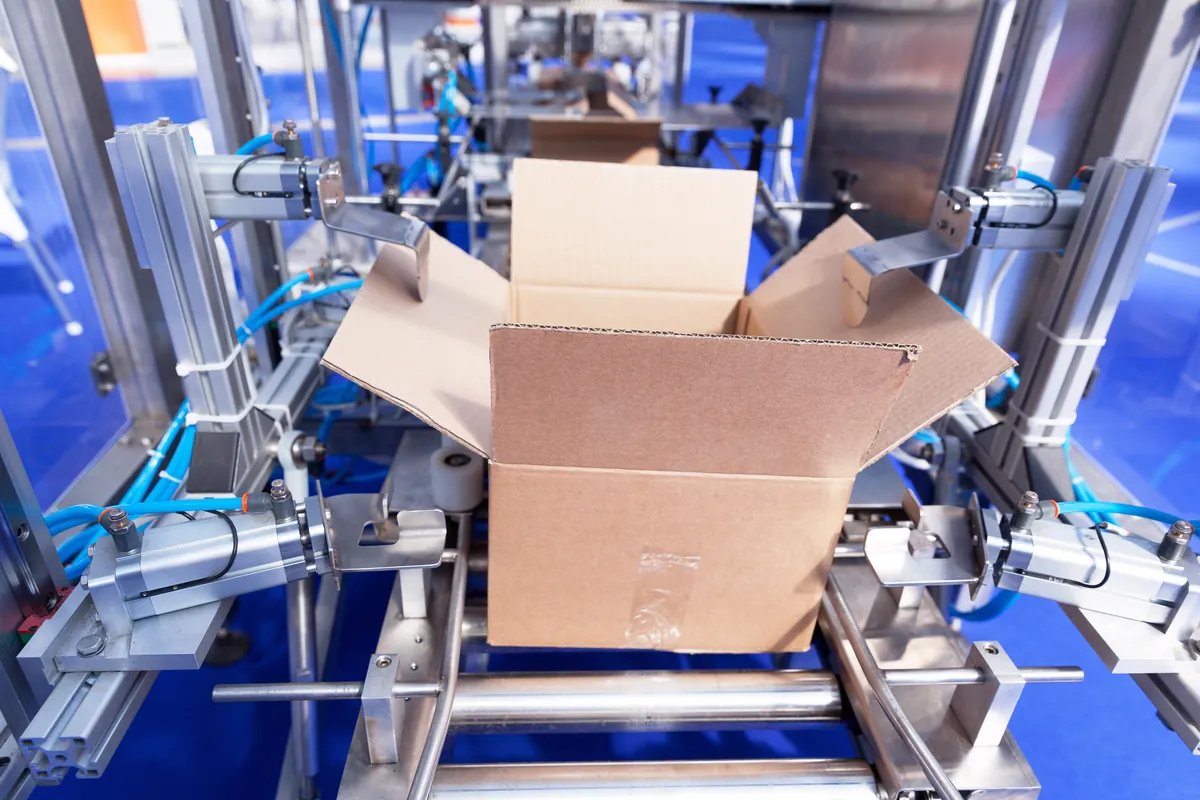 Keeping production costs low while meeting environmental goals is a key challenge in packaging manufacturing.Tobias Richter, chief sales officer and group president at Multivac, says that customers’ needs are changing, and in the process, transforming packaging equipment.
“Customer requirements are becoming more diverse as product ranges, packaging materials, and regulatory conditions continue to evolve. The combination of rising consumer costs and the trend toward using as little plastic as possible is driving demand for packaging that is both sustainable and more affordable.”
“At the same time, growing labor shortages, particularly in the food industry, are increasing the need for higher levels of automation, making modular machine platforms, retrofit options, and upgradeable technologies essential for long-term flexibility and efficient adaptation of existing production lines.
Meanwhile, Stephen Tagg, global application sales manager for Software at Markem-Imaje, argues that operational oversight can worsen environmental harm in addition to resulting in higher costs.
“One of the simplest ways to improve sustainability is to make fewer mistakes,” he asserts. “If the wrong code, label, or packaging is applied to a product, the result is often waste. The product may need to be repacked, reworked, or scrapped. In some cases, the packaging material itself is lost. A perfectly good product can be affected because the information on the pack is wrong.”
Tagg says that connected packaging automation can make a difference and cut avoidable waste by reducing manual data entry, improving inspection, and ensuring the right information is applied to the right product.
“This is especially important as product ranges become more complex. Many manufacturers are no longer running one product for eight hours at a time. They may run smaller batches, change formats more often, and manage many more variants,” he explains.
Each changeover creates another opportunity for error if data, materials, and equipment settings are not properly controlled.
Innovation for system integration
Achieving system integration, ensuring that every aspect of the production cycle is connected into a seamless process, is another concept that affects the environmental sustainability of packaging machinery, according to Sidel’s Solfa.
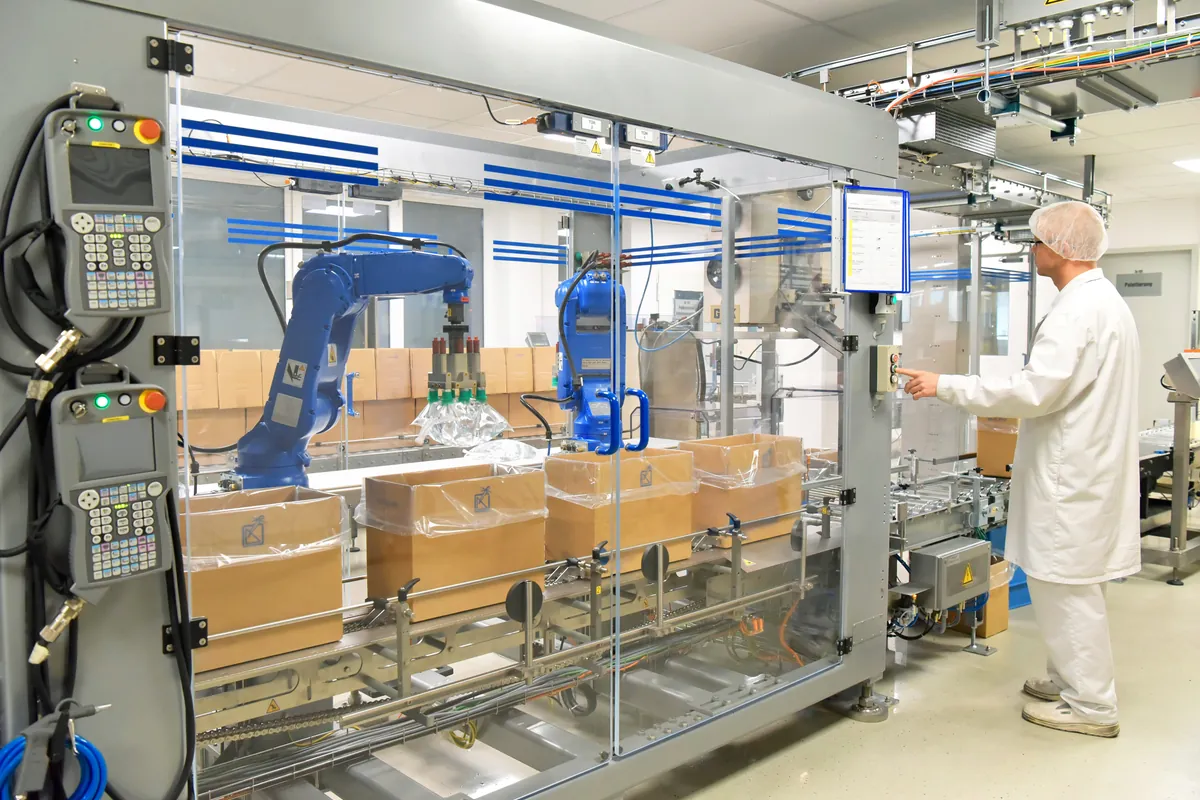 Integrated production cycles can help packaging machinery manufacturers reduce the environmental impact of manufacturing.“Integrated equipment solutions help reduce energy use, minimize waste, and improve overall operational potency,” he says. “Sidel is supporting partner companies to meet sustainability objectives by developing technologies that champion a reduction in resource consumption and refining material use throughout the production process.”
“For example, our EvoBLOW Laser replaces conventional heating methods with precise laser technology, enabling greater control over bottle production and a more accurate material distribution.”
Tagg also argues that better integration supports sustainability by improving traceability and inventory accuracy. “When manufacturers know exactly what was produced, when it was produced, and where it went, they can respond more quickly to issues and avoid unnecessary waste across the supply chain.”
“Sustainability is often discussed in terms of materials, recyclability, and carbon footprint. Those are critical areas. But operational accuracy also matters. Fewer mistakes mean less waste, less rework, and more efficient use of resources,” he emphasises.
UFlex’s Arora says that operational flexibility through machinery is another important aspect of smooth packaging production.
“In the next five years, manufacturers will need to process multiple packaging formats and sustainable material structures on the same equipment while maintaining high production speeds and product quality,” he points out. “This will require machinery that is faster, more adaptable, and easier to configure.”
Arora says that the packaging machine of the future will do much more than produce packages. “It will continuously generate operational intelligence that enables manufacturers to improve efficiency, reduce waste, and make better production decisions.”
“As customer expectations continue to evolve, successful machinery manufacturers will become long-term technology partners that can help improve productivity and sustainability while remaining competitive in an increasingly dynamic global marketplace.”