


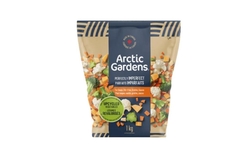
Innova Market Insights data shows a 17% increase in food and beverage launches making reduced food waste claims between 2020 and 2024. Brands are designing packaging that extends shelf life and uses portioned or dose-controlled packaging to minimize waste. Sustainable materials and recyclable options are also being prioritized to reduce environmental impact while maintaining food quality.
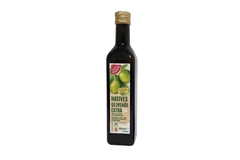
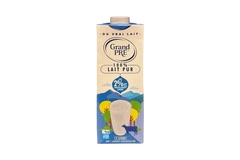
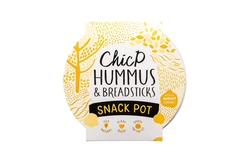
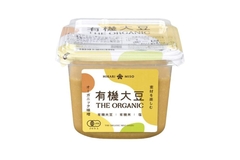
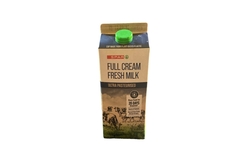
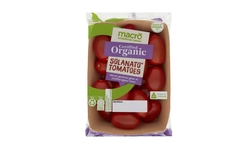
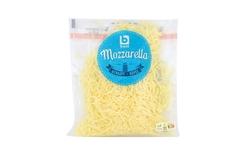
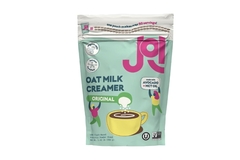

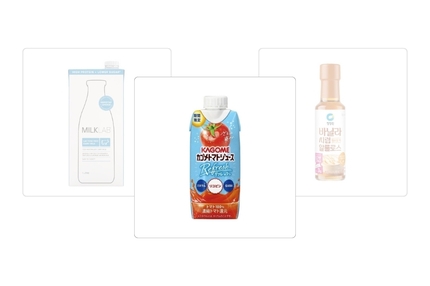
Innova Market Insights data indicates that product launches have increased over the past two years, with reclosable claims showing particularly strong growth, reaching a +15% CAGR from July 2021 to June 2026. As reclosability gains momentum, caps and closures are becoming an increasingly important area for packaging innovation.
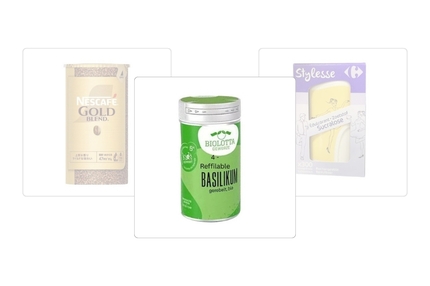
According to data from Innova Market Insights, consumers are interested in refillable packaging solutions, with 23% of consumers globally even willing to pay more for refillable packaging. New product launches show that refillable packaging is most often used in seasonings and water products.
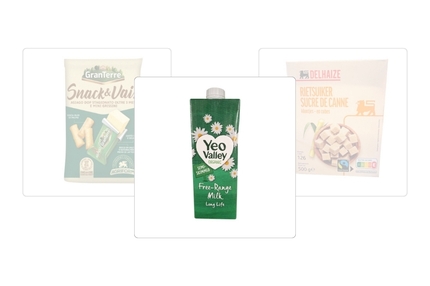
According to data from Innova Market Insights, 65% of consumers globally find transparency at least very important when choosing sustainable food and drink products. Twenty-two percent say that supply chain details matter to them the most in a sustainable product. New launches support sustainability claims with third-party certifications and clear information on responsibly sourced renewable materials and recyclable packaging.
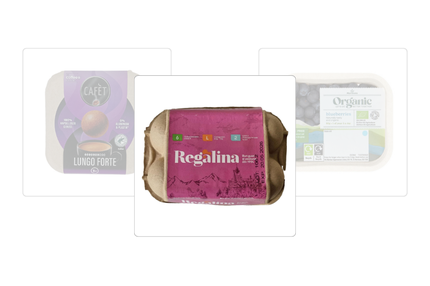
Innova Market Insights has announced its Top Packaging Trends 2026, with “Substantiated Sustainability” taking top spot. Driven by stricter regulations, the trend highlights the need for verified environmental claims. Fiber-based and other sustainable packaging solutions must be supported by credible data, as consumers show a willingness to pay more for substantiated sustainability benefits.
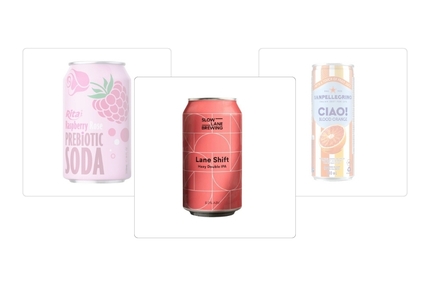
Aluminum can design is trending toward vibrant color blocking, soft gradients, and unexpected color palettes that help drinks stand out instantly on crowded shelves. Brands are also embracing illustrated, hand-drawn styles and playful mascots to add personality and storytelling, blending craft-inspired artwork with modern, clean packaging layouts.
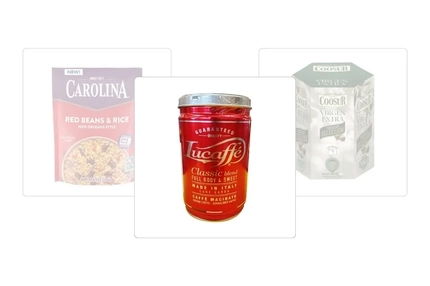
Innova Market Insights data shows that consumers are concerned about sustainability and expect brands to take these issues seriously. Packaging is becoming a key area for innovation, with brands exploring solutions that help reduce food waste by extending shelf life, improving protection, and supporting portion control.