

Sealed Air exec: Proof, not promises, will drive packaging sustainability claims

Key takeaways
- Sealed Air says PPWR offers an opportunity to redesign packaging for a circular economy through transparency and traceability.
- New PPWR and Green Transition rules will require evidence-backed sustainability claims to help prevent greenwashing.
- Collaboration, technical validation, and recyclable packaging innovations will support compliance and consumer trust.

Despite the EU Packaging and Packaging Waste Regulation’s (PPWR) complexity, it offers companies the opportunity to truly support a circular economy — but only if transparency and traceability are prioritized, says Arnaud Brunet, executive director for Food Products, Marketing, and Sustainability EMEA, at Sealed Air.
As the deadline for the PPWR approaches, Packaging Insights sits down with Brunet to discuss how companies can beat eco-fatigue and use the momentum of the landmark regulation to take “decisive steps” in packaging redesign.
He outlines industry collaboration, technical evidence, and scientific validation as key for brands to thrive under the PPWR and the Green Transition regulations.
How can companies use PPWR compliance to refresh their sustainability messaging?
Brunet: We fully support the implementation timeline for the PPWR, and although we appreciate that it may seem complex, the regulation creates a valuable opportunity to take decisive steps toward redesigning packaging that will support a circular economy.
Compliance will be a critical part of this and means businesses will have to prioritize transparency and traceability throughout their packaging value chains.
As the regulation is phased in, evidence-based proof points will be required for packaging placed on the EU market, ensuring that it meets new regulatory obligations. Businesses are best placed to test, question, and harmonize any packaging sustainability claims and narratives to ensure every decision made as well as statement communicated can be backed up by tangible, credible data.
Checking compliance will quickly identify any gaps or doubts about sustainable packaging performance, enabling companies to take action that helps avoid greenwashing and builds credibility along with trust.
What can brands do to make their packaging claims credible and avoid greenwashing?
Brunet: Circular economy principles are rooted in technical excellence and collaboration. And, if these foundations are in place, it’s possible to make packaging sustainability statements that are factual and reliable.
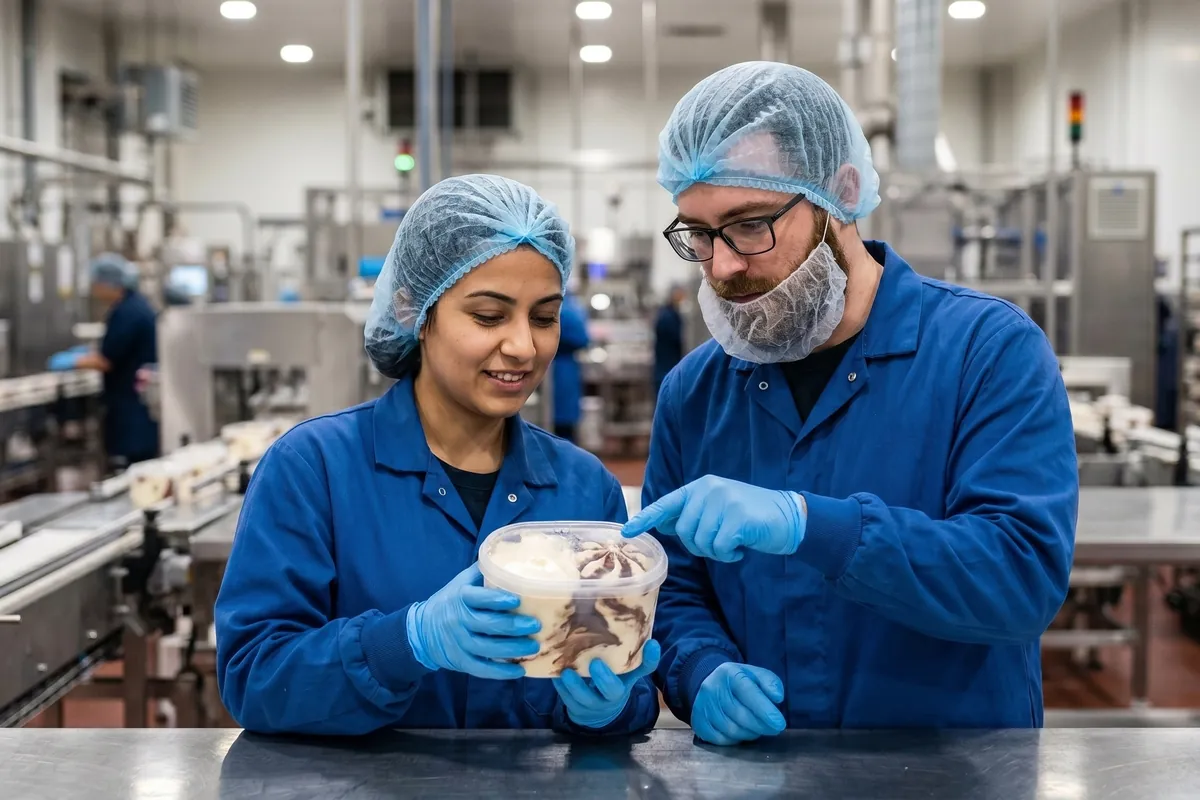 Sealed Air advances Cryovac food packaging innovation through strategic industry partnerships.A big part of how Sealed Air drives innovation and develops Cryovac food packaging materials and systems is through partnerships with industry leaders and organizations that pioneer best practices.
Our team of experts contributes directly to technical standardization work through the European Committee for Standardization, helping develop science-based recyclability criteria that balance packaging performance with circularity objectives.
We participate in cross-industry initiatives, including Circular Economy for Flexible Packaging, Flexible Packaging Europe, and Cyclos-HTP, which define and operationalize design-for-recycling guidelines. Together with in-house testing capabilities, this work ensures our packaging solutions are aligned with the evolving technical framework that will underpin the PPWR recyclability assessment and future market compliance requirements.
Collaboration also supports innovations in packaging rightsizing and strategies for minimizing material usage and downgauging. Using less material and lightweighting can help deliver sustainability throughout food value chains, extending best practice beyond end-of-life options such as recycling.
Close working partnerships help to build knowledge and evidence that’s vital for creating responsible, high-performance packaging that supports sustainability and circularity.
What innovations is Sealed Air using to make packaging both functional and clearly sustainable?
Brunet: Two really good examples include Cryovac AutoWrap Lite and Cryovac VPP MonoPro.
AutoWrap Lite is a high-speed vacuum cheese packaging system that uses ultra-thin barrier films that we are currently redesigning to become certified as recyclable by the Cyclos-HTP Institute in 2026. It helps businesses to reduce packaging material usage while extending shelf life. It combines automation, downgauging, recycle-ready materials, and food waste prevention into one scalable packaging system that reduces emissions without compromising performance.
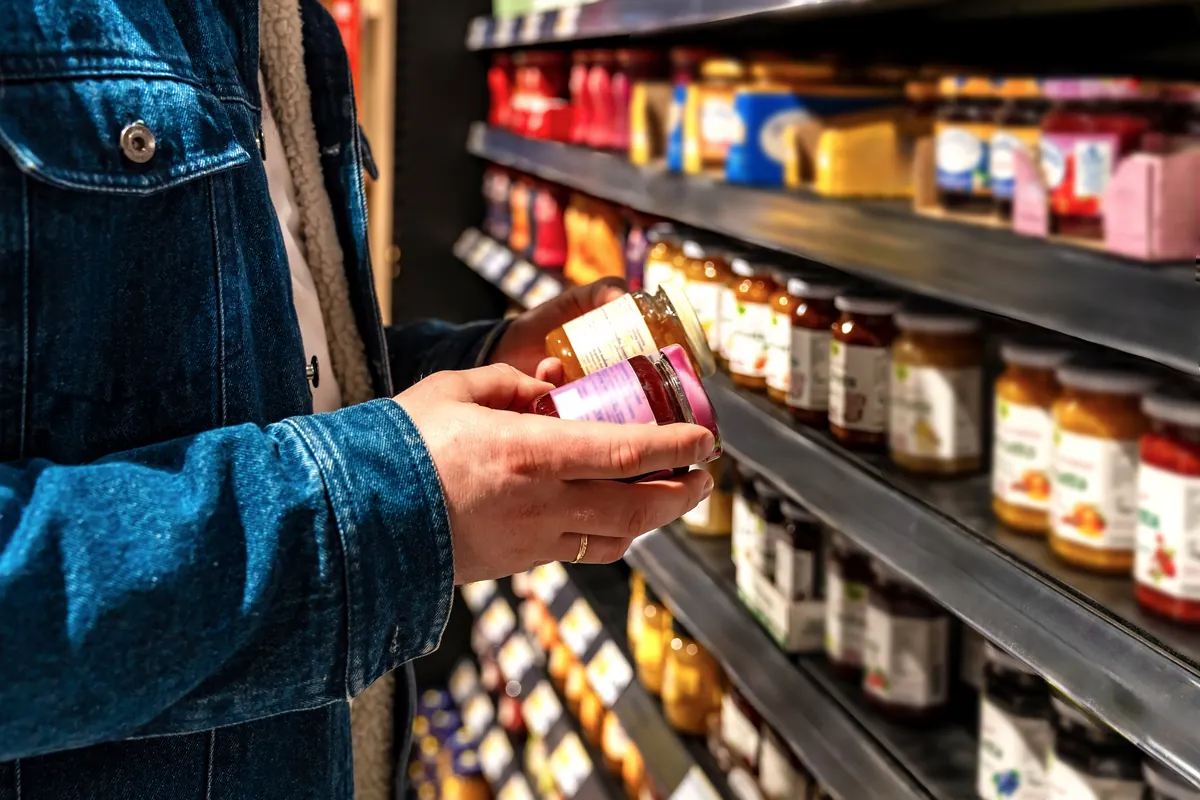 Arnaud says that consumers want trustworthy, actionable on-pack sustainability information.Cryovac VPP MonoPro is a flexible vertical form-fill-seal pouch for fluid and pumpable foods. The solution has been redesigned to align with emerging EU recyclability requirements and design-for-recycling principles. It has a recycle-ready structure with reduced polyamide content and without aluminum or glue layers, improving compatibility with existing recycling streams. It is certified as recyclable by the Cyclos-HTP Institute with a recyclability score of 85%.
How is Sealed Air addressing the gap between consumer awareness and action on packaging sustainability?
Brunet: Consumers want actionable on-pack sustainability information, which they can trust. We’re working to meet this demand by prioritizing evidence-based outcomes that people understand, can rely on, and act on.
Sealed Air research shows there can be a disconnect between consumer awareness of packaging sustainability and action. Ninety percent of UK shoppers think about the environmental impact of packaging, and yet just 14% say packaging influences their purchasing decisions.
Our approach to sustainability is built around “where performance meets responsibility”, combining measurable environmental progress with practical ways of working to support circularity.
For example, through our Cryovac brand food packaging portfolio, we help businesses to reduce packaging material, design for recycling in line with recognized industry guidelines, and extend shelf life to help prevent food waste.