



Aluminum cans offer viable alternative to glass for wine packaging, study finds

Key takeaways
- University of Florida study compares aluminum cans and glass for muscadine wine packaging.
- Results show minimal difference in anthocyanin levels, color, and flavor degradation over time.
- Aluminum cans maintain wine quality with no significant flavor or chemical changes, supporting their use as an alternative to glass.
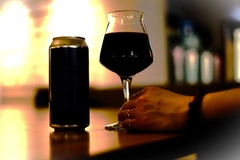
A recent study has found that aluminum is a suitable material alternative to glass for wine packaging.
Researchers from the University of Florida, US, examined the shelf life, color, and chemical structure of muscadine wine packaged in either aluminum cans or glass during storage.
The wines were stored under accelerated conditions of 36 degrees Celsius for 30 days and ambient conditions of 25 degrees Celsius for six months.
Published in the American Chemical Society journal, Food Science and Technology, the study concludes that aluminum cans perform comparably to glass.
“This study offers insights into the chemical properties and concentrations of anthocyanins and flavor compounds in carbonated red muscadine wine throughout storage. The results indicate that these properties change similarly in [glass] bottles and [aluminum] cans over time, supporting the use of cans as a viable alternative packaging,” say the study authors.
Changes to PH, alcohol content, and acidity remained stable across the two types of storage conditions and materials.
Assessing aluminum
The research team says that, despite the recent material advancement in aluminum for beverage packaging, limited research has been conducted on the viability of aluminum cans for preserving muscadine wine quality.
One concern about using different packaging for wine packaging is a decline in anthocyanin, the compounds responsible for red wine color and antioxidant activity.
In the research, anthocyanin levels declined by 54% over six months at ambient temperature.
The authors add: “The overall anthocyanin concentration did not significantly change between bottles and cans for the accelerated and ambient experiments.”
However, the scientists attribute the decline to time and temperature, rather than packaging material. Glass bottles showed slightly higher temperature sensitivity compared to cans, but the study notes that overall trends were similar.
No impact on taste and smell
The research found only minor color degradation in the glass and can packaging, which the team says would be difficult for consumers to detect. The aroma and flavor of the two wine samples were unaffected.
“No flavor scalping was observed based on the conditions of this study, supporting the high integrity of BPA-NI liners in aluminum cans when exposed to carbonated red muscadine wine,” say the researchers.