


CEFLEX urges EU to turn rising EPR fees into higher flexibles recycling rates


Key takeaways
- CEFLEX warns that rising EPR fees for flexible plastic packaging must translate into measurable recycling improvements, not just higher producer costs.
- The organization says a better EPR system design is needed to support investment in collection, sorting, and recycling infrastructure.
- CEFLEX argues that empowered PROs could help scale flexible packaging recycling and secure demand for recycled polymers.
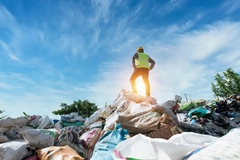
In the EU, EPR fees for flexible plastic packaging are increasing as a greater tonnage needs to be collected, sorted, and recycled separately to meet evolving EU plastic packaging recycling targets, highlights the industry organization Circular Economy for Flexible Packaging (CEFLEX).
“The key concern is that many EPR systems are not currently designed in a way that ensures higher fees paid translate into improvements in flexible packaging recycling rates,” Alec Walker-Love, communication lead at CEFLEX, tells Packaging Insights.
“Even where fees are modulated to reflect improvements in compatibility of designs with sorting and recycling technologies, these efforts will have limited effect unless the necessary collection, sorting, and recycling infrastructure is in place.”
Walker-Love asserts that investments are now needed to deploy the technologies required to increase flexible packaging recycling rates and to achieve the economies of scale that can strengthen the business.
“However, the design of many EPR systems currently makes such investments high-risk and can deter capital expenditure. Ultimately, this threatens plastic flexible packaging solutions with a ban in the EU if the Packaging and Packaging Waste Regulation’s (PPWR) minimum 55% recycling target cannot be attained by 2035, despite higher fees and costs being borne by producers.”
The European Organisation for Packaging (EUROPEN), a strong advocate of EPR schemes as a component of waste management in the EU, outlines that the PPWR mandates the introduction of national registers of producers to monitor compliance of producers with EPR requirements (Article 44), and the modulation of EPR fees on the basis of packaging recyclability performance grades (Article 6).
Meanwhile, Article 8a of the Waste Framework Directive makes the modulation of EPR fees mandatory to boost recyclability. According to EUROPEN, the general minimum requirements for EPR schemes aim to boost harmonization, transparency, cost-efficiency, accountability, and the enforcement of EPR obligations at the national level.
Challenges and opportunities for producers
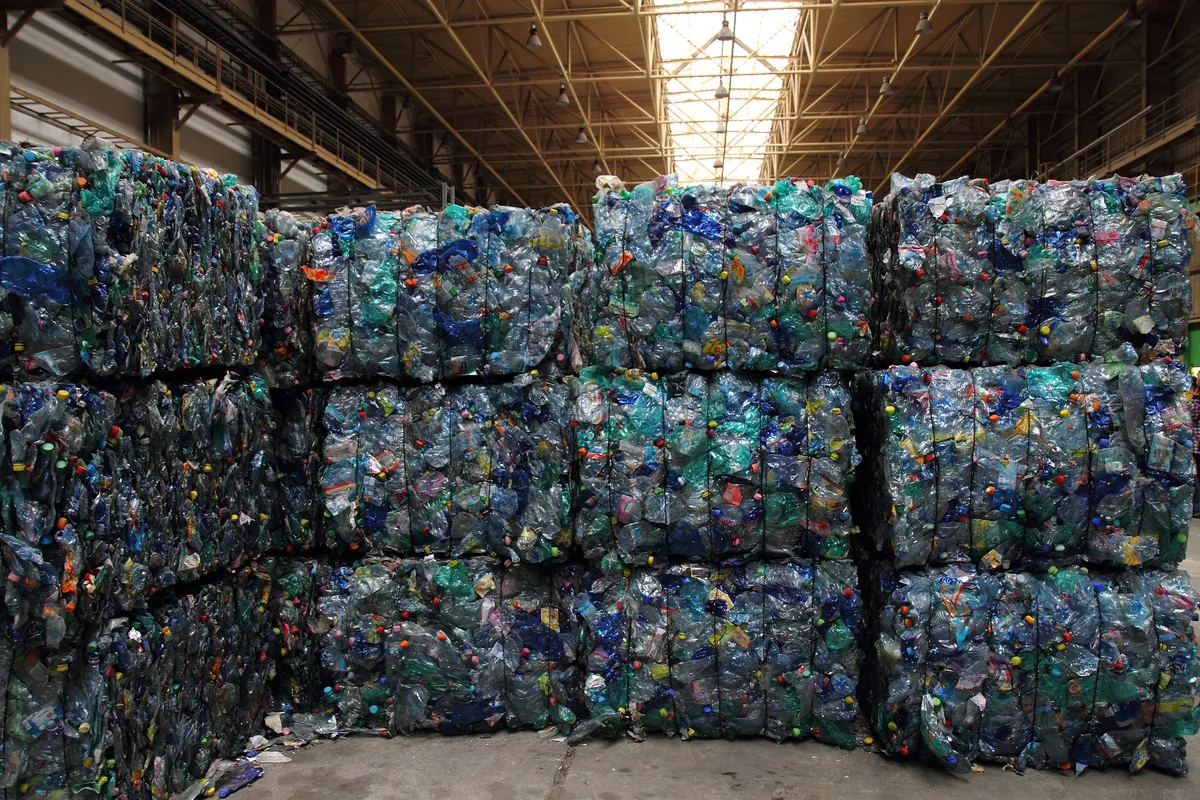 EPRs can require producers to fund the system while other actors control collection and infrastructure planning, says Walker-Love.Walker-Love argues that the principal challenge with EPRs is that many systems do not align financial responsibility with operational control.
“Producers may be required to fund the system and meet legal obligations, while other actors control collection strategy, infrastructure planning, expenditure decisions, and access to material flows. This can lead to ‘cherry-picking,’ where activity focuses on cost competition and the most profitable geographic areas, materials, or waste streams.”
He adds that where rigid formats with lower EPR fees are not a feasible substitute, companies face “major” cost increases that cannot always be passed on to customers and consumers.
At the same time, he says that EPRs can become a “genuine circularity enabler” in all EU member states.
“Targeted changes to EPR system design, where needed, can give Producer Responsibility Organisations (PROs) the mandate and control needed to switch focus from providing the lowest cost service possible to making strategic interventions across separate collection, sorting and recycling, based on multi-annual plans that identify the infrastructure changes required to meet legal targets.”
This would help move systems away from short-term cost minimization and toward long-term optimization, according to Walker-Love. “For flexible packaging in particular, empowered PROs could help create the conditions needed to trigger investment in sorting and recycling technologies and capacity.”
“By deploying technologies and taking a strategic approach, EPR systems can help improve quality and find economies of scale, which lowers cost, increases value, derisks investment, and optimizes costs in the long term,” he continues.
“All parts of the value chain stand to benefit. Waste management operators and recyclers could enjoy stable contracts and consistently higher quality feedstock, upstream material producers, and converters could procure high-quality recycled content at competitive prices, and producers could meet legal obligations at an optimum cost.”
Clean flexibles input streams
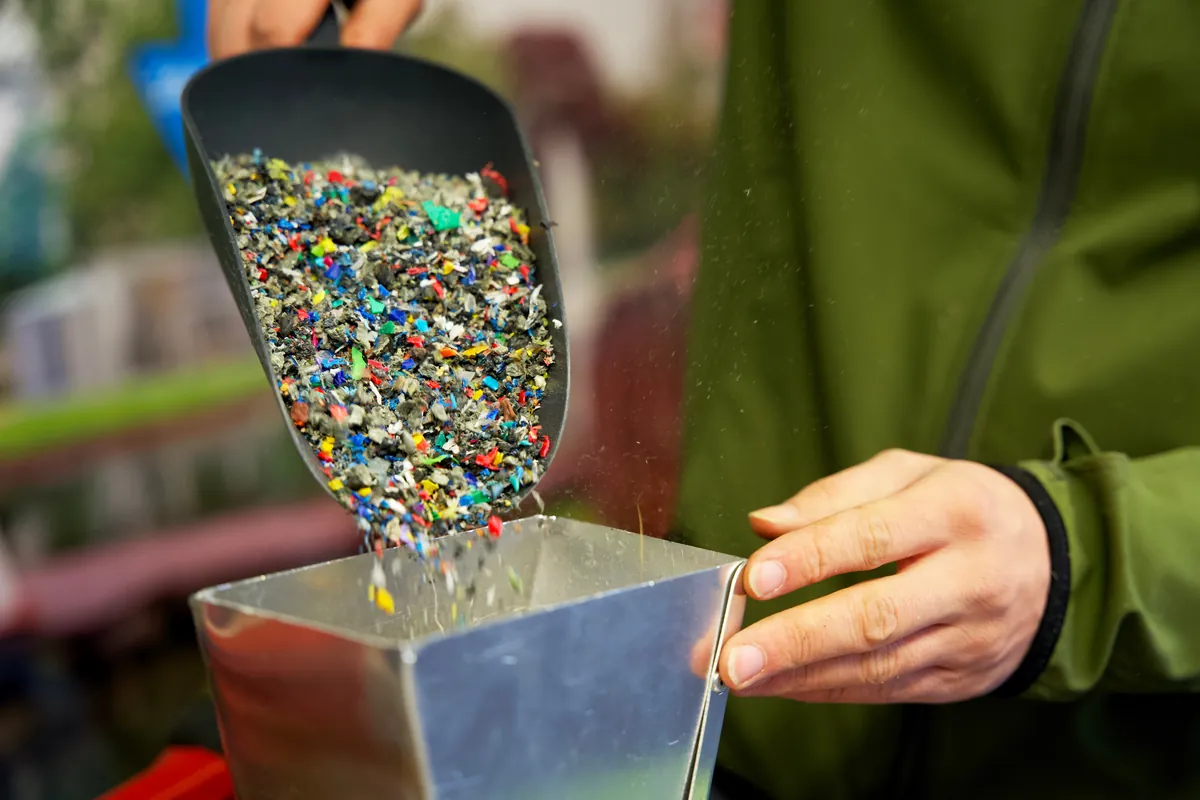 CEFLEX points out that improving sorting can help create cleaner and more consistent input stream.Sorting and recycling technologies are essential to turn legal targets into real-world flexible material flows with increased quality and yields, highlights Walker-Love. “With this, they also enable a better business case — helping lower costs and delivering higher value recycled materials — which increases the chance of meeting recycled content targets.”
He points out that improving sorting can help create cleaner and more consistent input streams by separating flexible packaging by polymer, format, color, contamination level, or intended recycling route.
“Technologies such as near-Infrared spectroscopy, visual identification systems, and digital watermarking can support more accurate identification and separation, especially where standard sorting is not precise enough.”
“Recycling technologies then determine what quality of PCR can be produced from those sorted streams. Conventional mechanical recycling remains essential for well-designed and well-sorted PE and PP flexible packaging streams.”
Advanced decontamination, physical recycling, and chemical recycling can help where higher purity, odor reduction, decontamination, or polymer recovery is needed, he adds.
Walker-Love says that these technologies support compliance and enable the business case for recycling at scale by increasing the volume of material captured for recycling and improving the quality and consistency of PCR. They also, help match material streams to the appropriate recycling route and end market to deliver recycled content.
Boosting demand for recycled polymer
According to CEFLEX, EPR effectiveness should now be seen by EU policymakers as a strategic industrial question, not just a waste-management issue.
 PPWR targets will require an increased supply of flexible packaging-derived post-consumer recycled material, according to CEFLEX.Walker-Love says Europe has built a “significant” recycling base, adding that that base is under pressure from weak demand for secondary materials, volatile virgin material prices, and high operating costs. and imports.
A recent report by CEFLEX found that PPWR targets will require around 2.5 million metric tons of flexible packaging-derived post-consumer recycled material by 2030 and that meeting these targets depends on recycling more material, and on ensuring recycled PE, PP, and mixed polyolefins can be used at the right quality, scale, and consistency.
“Well-designed EPR systems can help address these pressures by securing the business case for recycling over the medium- to long-term,” continues Walker-Love.
“The forthcoming EU Circular Economy Act offers a unique opportunity to strengthen EPR effectiveness. Stronger enforcement of existing rules, harmonized descriptions of the roles and responsibilities of EPR system actors, ensuring producers have financial and organizational responsibility, PROs control recyclables after separate collection, and a requirement for multi-annual strategic plans would all help ensure that EPR fees translate into measurable improvements and better outcomes for all value chain actors.”
“Ultimately, the question is whether EPR is used merely to collect and reimburse costs or whether it is used to build functioning circular packaging markets. The latter approach is essential if Europe is to meet its recycling and recycled-content ambitions. It is also essential to support investment, competitiveness, and resilience across the packaging value chain,” he concludes.