

Nestlé Malaysia scales circular packaging to cut emissions


Key takeaways
- Nestlé Malaysia is reducing virgin plastic use, increasing recycled PET content, and improving packaging recovery as part of its emissions and net-zero strategy.
- In 2025, 95.6% of its packaging was designed for recycling, while voluntary EPR programs collected more than 15,000 metric tons of materials.
- Through Project SAVE and regional partnerships, the company is supporting the development of regional recycling infrastructure and EPR policy.
 (Image credit: Nestlé Malaysia).
Nestlé Malaysia is working toward halving emissions by 2030 and achieving net zero by 2050. The reduction is driven by initiatives across its operations and value chain, including circular packaging efforts.
The company is cutting virgin plastic use, increasing recycled PET content, and improving post-consumer packaging recovery.
“In 2025, 95.6% of our packaging was designed for recycling, and we achieved plastic neutrality through our voluntary EPR initiatives by collecting over 15,000 metric tons of materials, including more than 11,000 metric tons of plastic,” a spokesperson from Nestlé Malaysia tells Packaging Insights.
“This milestone reflects years of sustained effort and collaboration across the value chain, and reinforces our broader ambition to reduce virgin plastic use while supporting a circular economy.”

Expanding recycling services
Malaysia continues to advance its climate agenda. Last year, the country submitted its third Nationally Determined Contribution to the UN Framework Convention on Climate Change.
Deputy Minister of Natural Resources and Environmental Sustainability, Syed Ibrahim Syed Noh, underscores that private sector participation is critical to achieving Malaysia’s climate commitments.
He says that initiatives undertaken by companies such as Nestlé Malaysia demonstrate that emissions reductions can integrate into business operations while supporting long-term economic growth.
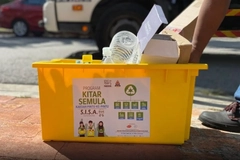
Through Project SAVE (Segregate, Avoid, Value, Educate), Nestlé’s flagship voluntary recycling program, the F&B giant says it continued to expand access to household recycling.
“In 2025, we partnered with the Selangor State Government and KDEB Waste Management to pilot Programme SELKitar, which extended our door-to-door recycling services to more than 14,000 households in Subang Jaya and Sepang,” shares the Nestlé Malaysia spokesperson.
“In addition, we started a pilot kerbside recycling program in Kulim, Kedah, with SWCorp and E-Idaman, which covers more than 16,000 households through weekly collections supported by community engagement and education. This pilot aims to support the government’s EPR policy development by demonstrating a practical and cost-effective approach to post-consumer recyclables collection.”
“These efforts have strengthened Malaysia’s recycling infrastructure and empowered communities to adopt more sustainable waste management practices.”
Nestlé has also been advancing packaging recycling in other Southeast Asian countries. Previously, Nestlé Waters partnered with seven other companies to establish a not-for-profit Packaging Recycling Organization Vietnam to support the growth of a strong, resilient domestic packaging collection and recycling ecosystem.
Earlier this year, Nestlé Philippines and Restore Solutions partnered with Robinsons Supermarket to introduce reverse vending machines for sachets into four of the retailer’s stores.