



Dow and Oji target East Asia’s demand for convenient food packaging

Key takeaways
- Growing demand for convenient, on-the-go foods is driving packaging innovations across Asia and beyond.
- Dow presented silicone-based release coatings for sustainable food and bakery packaging to Japanese businesses.
- Oji Group highlighted paper-based barrier materials and PFAS-free greaseproof packaging as alternatives to plastics.
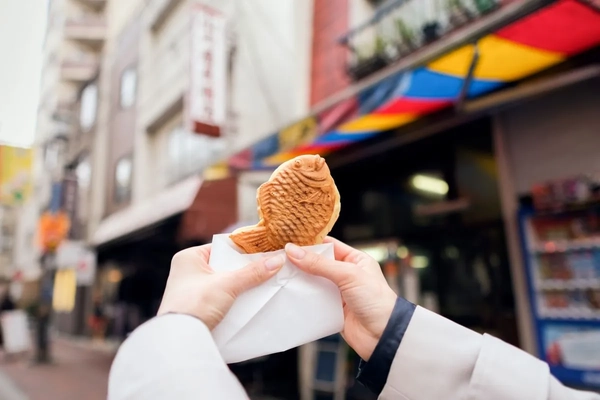
Driven by East Asia’s convenience store and street-food culture, the packaging industry is tapping into eco-friendly snack packaging technologies to meet regional demand for ready-to-eat and hot processed foods.
At the Highly-Functional Material Week Tokyo 2026 in Japan, Dow showcased its Syl-Off Em 7978 Coating, a platinum-catalyzed silicone release solution tailored for food and bakery packaging. The water-based release coating system is said to provide “strong performance.”
“Global consumers depend on packaging technologies to keep pace with innovation in the variety of food products available for an array of cultures. We are pushing the boundaries of sustainable silicone-based release coating solutions that are safe and sustainable,” a Dow spokesperson told Packaging Insights on the show floor.

Advanced coating technology
The solution is engineered for in-line coating during the paper manufacturing process, offering water repellency. It is also designed to be blended with Dow’s Syl-Off Em Catalyst Emulsion.
.jpg) Dow shared that the applications in the Asian markets are creating more opportunities.Dow notes the expanding fast-food and processed-food markets. It says that the key trends in food release applications include a shift away from heavy metal-based coatings, such as chromium.
Businesses are also seeking easy-to-use solutions that eliminate the need to clean food-contact surfaces after heating or baking, while reducing overall costs in use, according to the company. Sustainability is also a growing priority, driving demand for recyclable liners, renewable materials, and improved energy efficiency.
“The trends continue to drive changes in the coated paper industry. Silicone coatings for bakery papers are becoming more popular. The change to silicone-coated paper does not necessarily lead to an increase in cost of use because of factors such as coat weight reduction and better performance,” says Dow.
Reducing plastics
Concurrently, the Oji Group highlighted its Silbio Series, a paper-based barrier and packaging material that aims to replace plastic film.
“The Silbio Clear is a paper-based barrier material made with high-transparency paper that shows content, enhancing shelf appeal. Silbio Barrier is a barrier coating layer that is added onto paper, which restrains the intrusion of oxygen, moisture, and fragrance from outside air. It also prevents the packaged content from diffusing moisture and fragrance,” Vipavan Sae Gang, manager at Oji Paper, told us..jpg) Oji is developing paper-based snack packaging solutions.
Oji Group also showcased O-hajiki, an environmentally friendly PFAS-free greaseproof paper. Utilizing Oji’s coating technology, O-hajiki achieves a grease resistance level equivalent to fluorine-based products, displaying no oil seepage even when placed in direct contact with fried foods.
“O-hajiki uses no plastic materials; it can contribute to the elimination and reduction of plastic materials as a replacement for polylaminated paper,” says the company.
At the event, the company also demonstrated paper-based food containers for fresh food products.
Growing global trend
Beyond Asia, last month, experts at Pack Expo International 2026 in Chicago, US, told Packaging Insights that busy lifestyles and growing interest in portion control are prompting companies in North America to develop smaller formats designed for on-the-go consumption.
At this event, Tetra Pak highlighted the company’s small-format packaging for on-the-go dairy consumption, targeting growing demand for protein and health-conscious lifestyles in the region.
Last year, SIG’s strategic partner Cooperoeste, a dairy producer in Santa Catarina, Brazil, launched yogurt and dulce de leche in SIG CloverCap pouches. The products are filled using the SIG Prime 100, a flexible filling line designed for spouted pouch applications. The on-the-go format aims to target consumers seeking convenient options.
Meanwhile, the company equipped SalzburgMilch with its DomeMini, an on-the-go carton bottle, marking the first company in Europe to use the packaging.