



Securikett presents labeling tech for digital product passports


Key takeaways
- Securikett has launched a strong-adhesive security label designed to keep digital product passport data accessible throughout a product’s lifecycle.
- The label is made for difficult surfaces and demanding weather conditions, supporting traceability, compliance, and product transparency.
- Optional Void tamper-evident features and the Codikett 2.0 platform help protect product data and prevent label misuse.
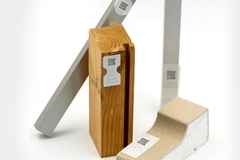 Image credit: Securikett.
Securikett has released a strong-adhesive security label for digital product passports (DPP). The high-performance label is made to remain attached to the product throughout its entire lifecycle, even on “difficult” surfaces such as wood and in “demanding” weather conditions.
In the EU, DPP will become mandatory for priority product groups in February 2027.
The solution targets key DPP requirements such as ensuring permanent access to product identifiers. According to Securikett, the labels are suitable for varying industries and surfaces.
“QR codes and product information remain available for years, supporting traceability, regulatory compliance, and product transparency,” the company says.
“The DPPintroduces the requirement that product data must remain accessible. This creates a significant technical challenge, particularly in ensuring that identifiers remain readable and linked to reliable data sources over time,” comments Vanessa Mitterer-Kling, head of R&D at Securikett.
“These new labels address this challenge by combining a highly durable adhesive with robust code integrity.”
Tackling tampering risks
The label can be equipped with Securikett’s Void feature for greater security. When removed, a Void label leaves a permanent and irreversible tamper-evident message, making interference attempts visible immediately.
The aim is to prevent the label from being reapplied to a different product and maintain the integrity of the original item.
The newly launched label is also supported by Securikett’s traceability platform Codikett 2.0, made to guarantee the continuous availability and secure management of digital product data in line with DPP requirements.
Earlier this year, Henkel, Korozo Group, and R-Cycle jointly trialed DPP for supply chain improvement, resulting in Henkel implementing DPP on its packaging.
Aimplas also developed DPP for plastic products. The Spanish research institute told Packaging Insights that confidentiality and data processing are notable regulatory hurdles that must be addressed before the widespread adoption of DPP.