


Sonoco advances premium aluminum packaging for digital engagement and circularity


Key takeaways
- Sonoco is expanding aluminum packaging for fish and wet pet food, combining strong barrier protection, recyclability, and convenient portion formats.
- Advanced printing, embossing, and debossing help brands create premium packs that strengthen shelf differentiation, heritage storytelling, and perceived value.
- Serialized QR codes can provide product information, provenance, and recycling guidance while supporting traceability and Digital Product Passport requirements.
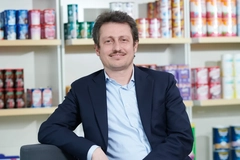 Francesco Giannolo, VP for Commercial at Sonoco Consumer Packaging EMEA and APAC (All image credits: Sonoco).
Aluminum packaging is evolving beyond product protection toward premium applications and improved circularity, as technological advances create new opportunities for consumer engagement and traceability, highlights Sonoco.
Packaging Insights sits down with Francesco Giannolo, VP for Commercial at Sonoco Consumer Packaging EMEA and APAC, to discuss how aluminum packaging is evolving to meet the company’s sustainability and consumer engagement goals.
What can you tell us about Sonoco’s latest aluminum solutions?
Giannolo: Our latest aluminum packaging developments reflect how brands are using metal packaging to respond to evolving consumer expectations, whether through convenient portion formats or by elevating traditional categories with premium, design-led packaging.

A recent example is our collaboration with Fábrica de Conservas da Murtosa on the Portuguese Gold sardine tin. By combining lithographic printing with embossing and debossing directly on the aluminum surface, we reimagined the traditional sardine tin as a premium, giftable pack that celebrates Portuguese heritage while appealing to today’s consumers.
We are also seeing growing interest in 85 g aluminum cans for wet pet food, driven not only by the continued expansion of the category but also by the evolving sustainability landscape.
As the Packaging and Packaging Waste Regulation (PPWR) accelerates the transition toward more circular packaging solutions, many brands are reassessing material choices and exploring alternatives to multimaterial flexible pouches.
In this context, aluminum offers a compelling solution. Its excellent barrier properties, infinite recyclability, and well-established recycling infrastructure make it well-suited to support circular packaging ambitions while maintaining the protection and shelf life required for high-quality wet pet food. The 85 g format also aligns with consumer demand for convenient portion sizes that help minimize food waste.
Sonoco invested in metal packaging for wet pet food with the opening of a new line in Outreau, France, in addition to paper packaging capabilities for dry products. Future-ready packaging materials support brands’ growth ahead of the PPWR. Across fish and pet food applications, aluminum packaging demonstrates its versatility: not only through product protection and recyclability, but also through the premium decoration possibilities that enable brands to stand out on the shelf and create lasting consumer engagement.
What key trends do you spot in aluminum packaging design?
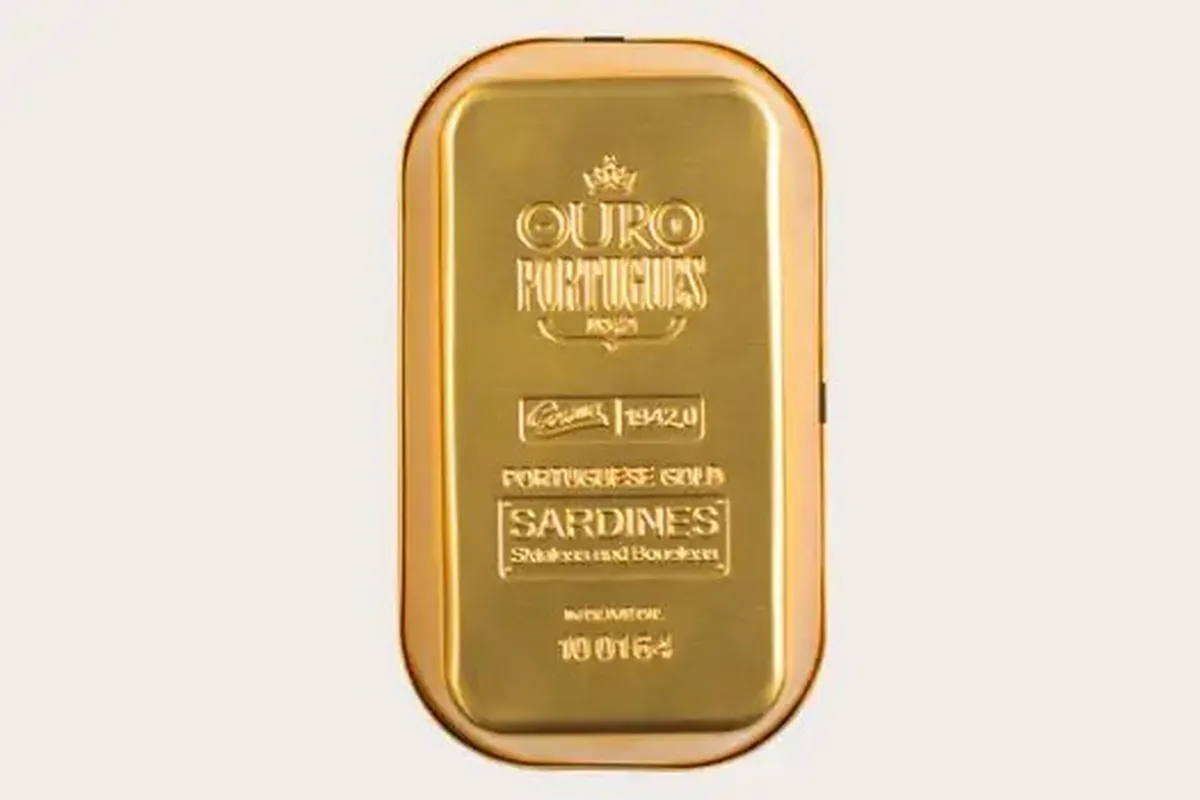 Sonoco combined lithographic printing with embossing and debossing on aluminum surface for Fábrica de Conservas da Murtosa's Portuguese Gold sardine tin.Giannolo: We observe the increasing importance of premium visual identity and shelf differentiation. Aluminum offers excellent printing capabilities, enabling brands to combine heritage and modernity in a distinctive way.
For heritage-inspired products, traditional fish tins provide a good illustration. Through vibrant colors, festive decorative elements, and carefully crafted graphics, brands can celebrate their history while reinforcing storytelling and emotional connection with consumers. Examples include Portuguese sardine and tuna brands that often use aluminum packaging to express authenticity, craftsmanship, and cultural heritage.
At the same time, more contemporary applications, such as wet pet food, are adopting cleaner and more modern aesthetics. High-definition images of the product itself, appealing pet photography, and sophisticated graphic layouts help products stand out on the shelf and strengthen their premium positioning. The quality of decoration achievable on aluminum further enhances consumers’ perception of value and quality.
We are responding by working closely with our customers to develop packaging solutions that combine functional performance with impactful design, supporting brand differentiation and consumer engagement.
What opportunities or challenges do you see in designing aluminum packaging?
Giannolo: There is no one-size-fits-all packaging solution. The most suitable material depends on the objectives of each individual project. Metal packaging — both aluminum and steel — is permanently recyclable and can be recycled at scale through well-established collection and recycling systems.
It also offers one of the highest levels of product protection. Acting as an absolute barrier against light, moisture, and oxygen, metal helps preserve product quality while enabling long shelf life without refrigeration for many applications. Aluminum is lightweight and highly formable. It enables various packaging shapes while using very thin gauges. Steel, meanwhile, often provides the optimal balance of strength, performance, and cost for many food applications. Paper can be an excellent choice for dry products and other suitable uses.
Ultimately, material selection should always be based on the specific requirements of the project. Expected shelf life, product formulation, processing method, filling technology, distribution channels, point of sale, circularity objectives, CO2 reduction targets, and consumer expectations all play an important role in determining the best material.
One of Sonoco’s unique strengths is our ability to offer aluminum, steel, and paper packaging solutions. Since we are not tied to a single material, we can take an objective, fit-for-purpose approach, helping customers identify the packaging solution that best meets their technical, commercial, and sustainability objectives in every market they serve.
In what ways can technology help?
_0.webp) Giannolo sees a growing interest in Sonoco's 85 g aluminum cans for wet pet food.Giannolo: Technology is increasingly helping aluminum packaging go beyond its traditional protective function by creating new opportunities for transparency, traceability, and consumer engagement.
Giannolo sees a growing interest in Sonoco's 85 g aluminum cans for wet pet food.Giannolo: Technology is increasingly helping aluminum packaging go beyond its traditional protective function by creating new opportunities for transparency, traceability, and consumer engagement.
At Sonoco, we can leverage our printing capabilities to incorporate unique QR codes directly onto aluminum packaging, enabling brands to provide consumers with instant access to product information, provenance details, recycling guidance, and sustainability credentials. These unique serialized codes can also support emerging initiatives such as Product Digital Passports, helping strengthen traceability throughout the value chain.
Beyond transparency, connected packaging opens new possibilities for consumer interaction and brand storytelling, transforming the pack into a gateway between the physical product and digital experiences. As consumer expectations and regulatory requirements continue to evolve, we believe digital connectivity will play an increasingly important role in enhancing the value of aluminum packaging.
How do you see the future of aluminum packaging development?
Giannolo: In the context of increasingly stringent sustainability frameworks, particularly the evolving PPWR framework and its focus on material classification such as Grade A recyclability, aluminum is well positioned as a high-performance packaging material that should continue to be actively promoted within circular economy systems. Its infinite recyclability and established recycling infrastructure reinforce its role as a long-term solution for sustainable packaging.
Beyond sustainability considerations, aluminum continues to deliver strong value in terms of functionality and brand expression. Across food applications ranging from heritage dessert bowls to convenience-driven formats and pet food applications, it enables product protection and powerful on-shelf differentiation.
At Sonoco, we see this evolution as an opportunity to further support our customers by combining material expertise and advanced printing capabilities, helping them unlock the full potential of aluminum not only as a sustainable packaging material, but as a platform that connects performance, storytelling, and digital engagement.