


Tetra Pak equips Spanish beverage producer with paper-based barrier juice carton


Key takeaways
- Tetra Pak and García Carrión have launched the Tetra Brik Aseptic 200 ml Slim Leaf carton featuring a paper-based barrier, which aims to reduce reliance on fossil-based materials.
- The carton is made with up to 80% paper and 92% renewable content.
- The packaging aims to maintain food protection and functionality while improving recyclability.
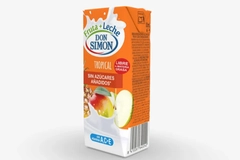
Tetra Pak, in collaboration with Spanish beverage producer García Carrión, introduced the “first-ever” juice packaging using the packaging producer’s paper-based barrier technology. The solution aims to reduce fossil-based material reliance, with the new packaging rolled out across multiple markets.
The two companies launched the Tetra Brik Aseptic 200 ml Slim Leaf carton under the Don Simón brand. The packaging is made with up to 80% paper. Tetra Pak’s paper-based barrier replaces the traditional aluminium foil layer with a renewable barrier, reducing the package’s carbon footprint.
Tatiana Liceti, executive vice president for packaging solutions at Tetra Pak, says: “This launch represents a significant step in our journey toward fully renewable and recyclable packaging. By working closely with our customers, we’re proving that sustainable innovation can scale across markets and categories, while ensuring packaging retains its functionality and quality.”

Fala Corujo, vice president of García Carrión, comments: “This innovation supports our mission to reduce environmental impact while offering high-quality products to our consumers.”
Enhancing recyclability
The renewable content of the juice carton reached 92% due to the combination of the paper-based barrier with plant-based polymers used in the packaging material coatings, according to Tetra Pak.
The solution also cuts the carbon footprint by 43% compared with an aseptic package that contains an aluminium foil layer and fossil-based polymers, as verified by Carbon Trust.
The paper-based barrier together with the other packaging layers are said to protect food against oxygen, light, moisture, and bacteria. Aseptic cartons with a new paper-based barrier can be collected, sorted, and recycled where recycling infrastructure is in place, according to the companies.
The paper-based barrier is expected to deliver additional benefits downstream for recycling infrastructure efficiency. According to the companies, it can increase the recovery of paper content from the recycling process of carton packages, while ensuring high-quality fiber and non-fiber fractions.
Tetra Pak launched its aseptic beverage carton with a paper-based barrier in collaboration with Portuguese dairy company Lactogal in 2023.
Earlier this year, Tetra Pak and dairy company Cayuga Milk Ingredients reopened a consumer goods facility in Cayuga County, US, following a US$270 million expansion that incorporated industry technologies, upgraded infrastructure, and workforce development initiatives.
The company also recently partnered with Fiat to incorporate recycled materials from used beverage cartons into vehicles.