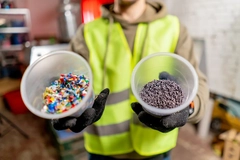
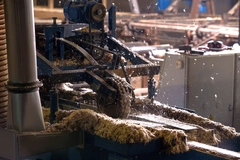
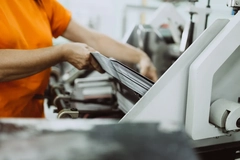

Innova Market Insights data indicates that 30% of consumers globally have chosen biodegradable packaging to be more sustainable in the past year. In response, bioplastics are appearing across diverse packaging formats, from compostable coffee and tea capsules to pouches, trays, cartons, and bottle wrappers, with innovation focusing on renewable materials, compostability, and end-of-life solutions.
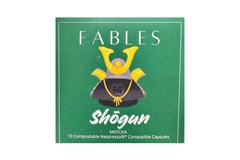
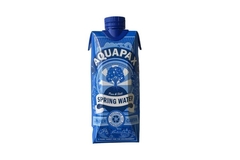
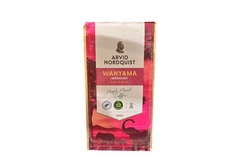
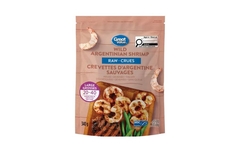
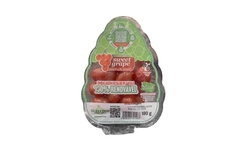
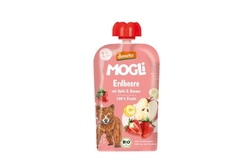
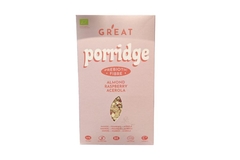
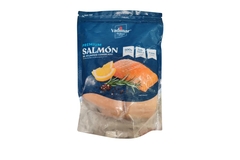

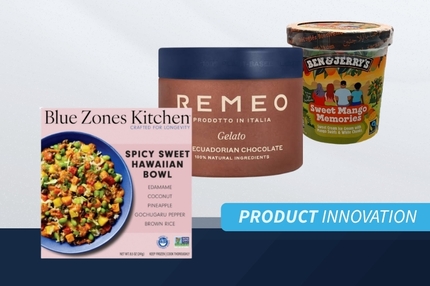
According to Innova Market Insights data, 70% of consumers globally believe sustainability challenges require immediate action, and 36% think it is very important to address these issues in F&B product packaging. Brands are responding with a wider range of packaging claims, including compostable, recyclable, plant-based, bio-based, and recycled content.
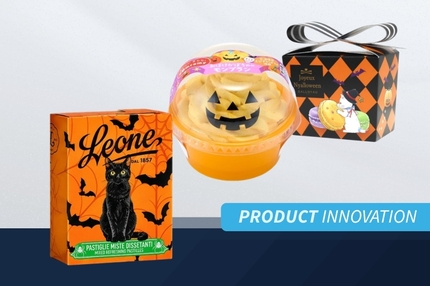
Innova Market Insights data highlights Halloween-themed F&B launches that rely on established packaging formats, including folded boxes, flat and standing pouches, aluminum cans, and plastic cups, bottles, and trays. Familiar formats get a spooky makeover, with black cats, ghosts, jack-o’-lanterns, and monsters doing the talking.
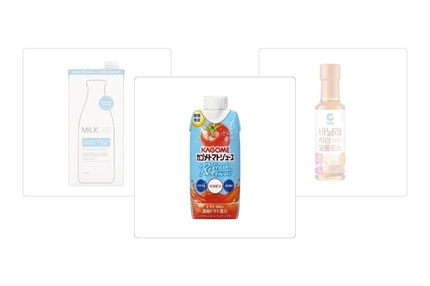
Innova Market Insights data indicates that product launches have increased over the past two years, with reclosable claims showing particularly strong growth, reaching a +15% CAGR from July 2021 to June 2026. As reclosability gains momentum, caps and closures are becoming an increasingly important area for packaging innovation.
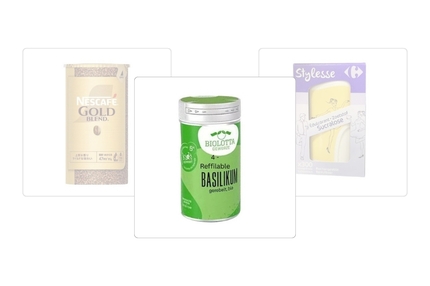
According to data from Innova Market Insights, consumers are interested in refillable packaging solutions, with 23% of consumers globally even willing to pay more for refillable packaging. New product launches show that refillable packaging is most often used in seasonings and water products.
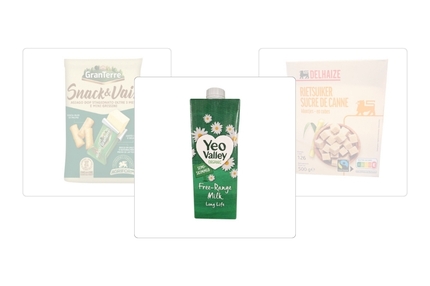
According to data from Innova Market Insights, 65% of consumers globally find transparency at least very important when choosing sustainable food and drink products. Twenty-two percent say that supply chain details matter to them the most in a sustainable product. New launches support sustainability claims with third-party certifications and clear information on responsibly sourced renewable materials and recyclable packaging.
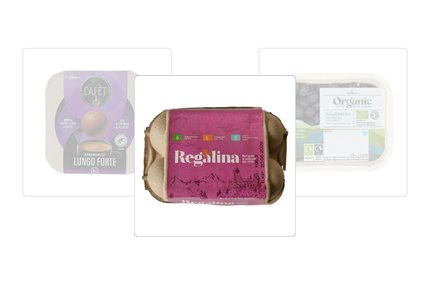
Innova Market Insights has announced its Top Packaging Trends 2026, with “Substantiated Sustainability” taking top spot. Driven by stricter regulations, the trend highlights the need for verified environmental claims. Fiber-based and other sustainable packaging solutions must be supported by credible data, as consumers show a willingness to pay more for substantiated sustainability benefits.