


US food-contact PCR shortage highlights limits of recycled plastics supply

Key takeaways
- Mondi and SIG report shortages of mechanically recycled PCR suitable for food-contact packaging in the US.
- They say that chemical recycling could help address supply constraints, but higher costs and regulatory uncertainty are slowing adoption.
- Industry experts highlight the need to expand recycling technologies and improve mechanical recycling to secure food-grade recycled plastics.
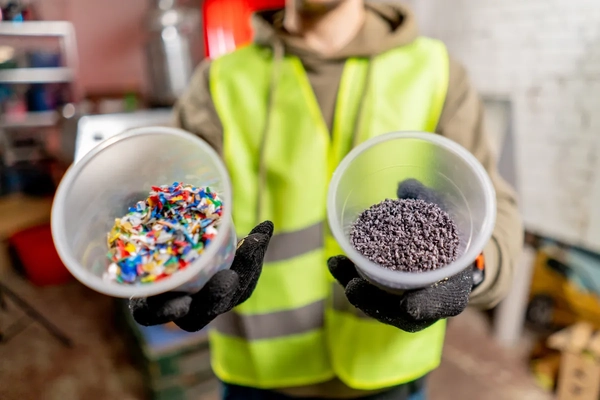
Mondi and SIG say that the US market lacks sufficient mechanically recycled post-consumer recycled (PCR) plastics suitable for food-contact applications. The industry experts indicate that while food-safe packaging materials derived through chemical recycling are more widely available, there are questions about their acceptance and cost.
Speaking to Packaging Insights at Pack Expo 2026 (Oct 18 –21), Kristin Oyler, director of marketing at Mondi, confirmed that the company is experiencing a shortage of PCR suitable for food-contact applications. Oyler said the issue is particularly pronounced for mechanically recycled material.
“We could definitely use chemically recycled content, which would help. But if you have to use mechanically recycled material, that’'s where there’s a shortage because there’'s not enough momentum behind it,” she explained.

Jami Leveen, head of sustainability and corporate relations for North America at SIG Group, also identified the availability of food-grade PCR as a challenge for the aseptic packaging company’s portfolio. “You can find some PCR available. The challenge is finding a food-grade that is not advanced recycled.”
“Mechanical recycling of plastic is good for some things, but does it pass the food grade test? That’s the priority. Obviously, we’re not going to use something that doesn't meet the highest standard,” Leveen told us.
Food-grade PCR supply
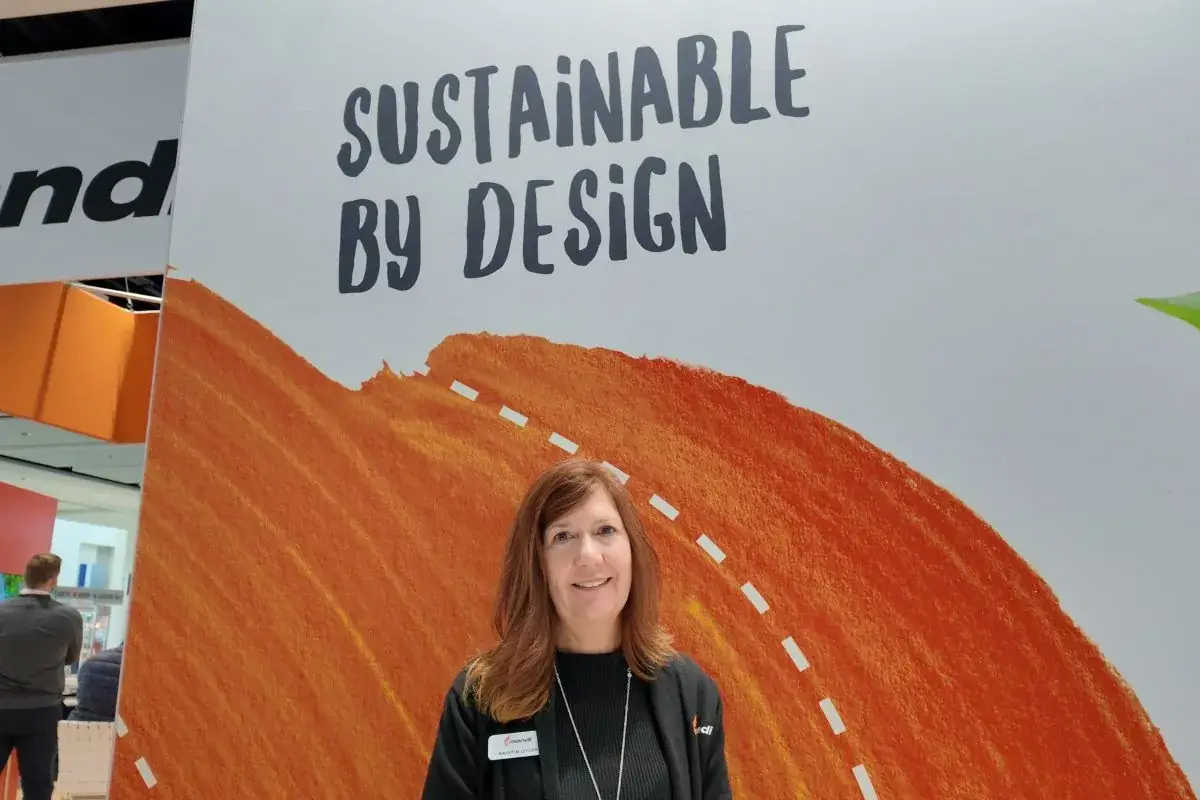 Kristin Oyler, director of marketing at Mondi.Oyler said the company needs to identify clean sources of PCR, while acknowledging that food-contact applications require a different consideration from other packaging uses.
Discussing why Mondi does not adopt chemically recycled plastic for its packaging solutions, she pointed out that certain legislations have made some brands concerned about advanced chemical recycling.
The US Food and Drug Administration (FDA) considers recycled plastic for food-contact applications on a case-by-case basis. Its assessment considers potential contaminants from previous uses, the regulatory status of materials entering the recycling process, and whether additives in the recycled plastic are permitted for food contact.
The FDA also evaluates the recycling process and the conditions under which the resulting material would be used.
In June, the FDA issued a letter of no objection to high-density PE (HDPE) and PP recycled with Coperion’s twin-screw extruders and EcoFresh silo degassing as suitable for direct food contact packaging.
Meanwhile, a study by Orkla Home and Personal Care and Norner, a Norway-based polymer and plastics research company, assessed the safety of PCR plastic in personal care packaging.
It found that bottles made from recycled plastic exhibit higher chemical migration than those made from virgin material, but concluded that, with proper quality controls, PCR can be used safely in personal care packaging.
Also, California-based Emerald Packaging replaced over one million pounds of virgin PE with PCR material for food packaging in 2025.
PureCycle and IPL Schoeller developed a tamper-evident container line with recycled PP resin, designed to help brands prepare for New Jersey recycled-content requirements and emerging EPR rules from January 2027.
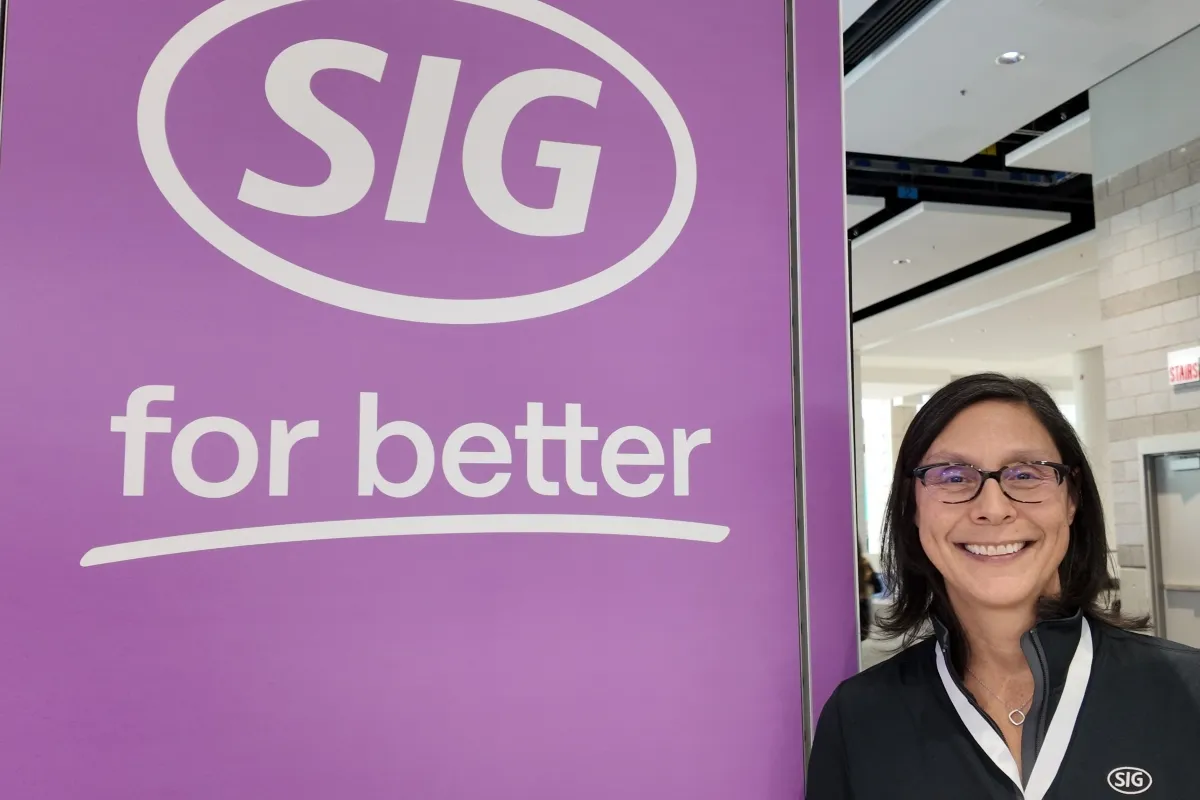 Jami Leveen, head of sustainability and corporate relations for North America at SIG Group.Chemical recycling considerations
Going back to PCR availability, Mondi said that advanced chemical recycling is inevitable for securing recycled content for food packaging, particularly where mechanically recycled material is limited.
However, the availability of the technology does not mean that all customers are ready to use the resulting material. Mondi offers chemical recycling credits to customers, and Oyler said one customer is already using them.
“They don’t make any marketing claims about it because they’'re concerned about some of the legislation until things become clearer,” she said. The customer has nevertheless decided to pay the additional cost.
“It does cost more, but they have decided as a brand that it’s important enough to them that they are paying for it without making claims about it in the market yet,” she added.
“Other brands that have been interested in it have said, ‘I want to wait and see,’ when some of those bills were introduced, because it is much more expensive,” she said.
Another issue surrounding chemically recycled material is how recycled feedstock is accounted for and communicated.
Mondi uses a mass-balance method to track recycled content associated with its chemical recycling offering.
“There’s a lot of education needed to explain that this isn’t a greenwashing claim. It really is recycled content, and we have a mass-balance method to track it,” she said.
“The concern is whether the industry is trying to hoodwink consumers and say it is recycled content when we’re just making magic. That’s not the case.”
Material replacements amid shortages
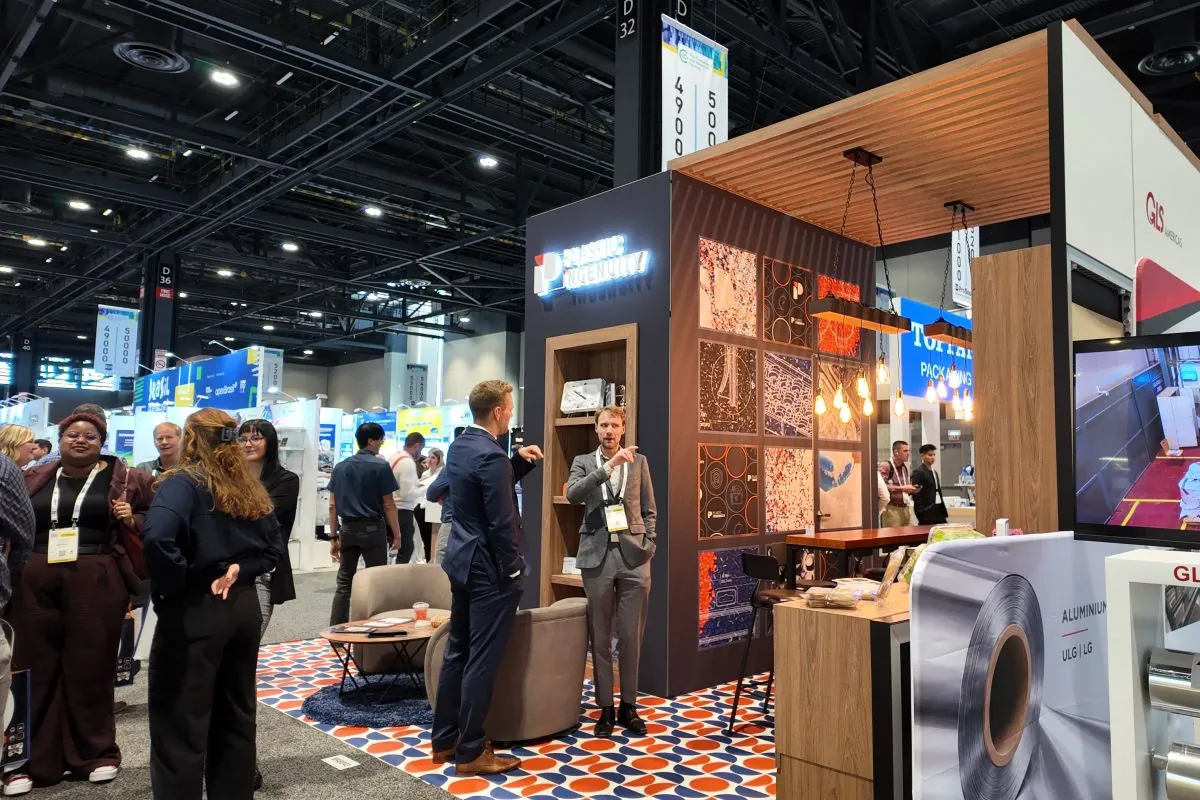 Plastic Ingenuity called for the development of new recycling technologies.On the show floor, Plastic Ingenuity pointed to the importance of developing new recycling technologies alongside improvements to existing mechanical recycling processes.
Zach Muscato, director of sustainability and innovation at Plastic Ingenuity, said the industry needs a range of solutions rather than relying on a single material or recycling route.
“Bioplastics play a critical role, including compostable materials and conventional polymers made from bioplastics,” he argues.
“New and novel recycling technologies are going to play a critical role. And then just optimizing what we have through mechanical recycling, through conventional polymers.”
Muscato also highlighted the role of material science in developing packaging materials with the required properties for their intended applications.
He suggested that expanding the range of recycling technologies could provide additional routes for processing plastic waste, while improvements to existing mechanical recycling systems remain relevant to the availability of recycled polymers.
Metsä Board, which supplies fresh-fiber paperboard for food and pharmaceutical packaging, offered a different perspective on the importance of material purity in sensitive applications.
At the show, Geoff Petty, sales manager at Metsä Board, spoke to us about how the board manufacturer’s fresh-fiber sourcing provides traceability through its supply chain, including information about the origin of the trees used to produce the material.
“With food and pharma, that fresh virgin fiber means there is a purity and cleanness about the board that you don’t have to worry about with thermoplastic or recycled materials, because you know exactly what is in it,” Petty added.
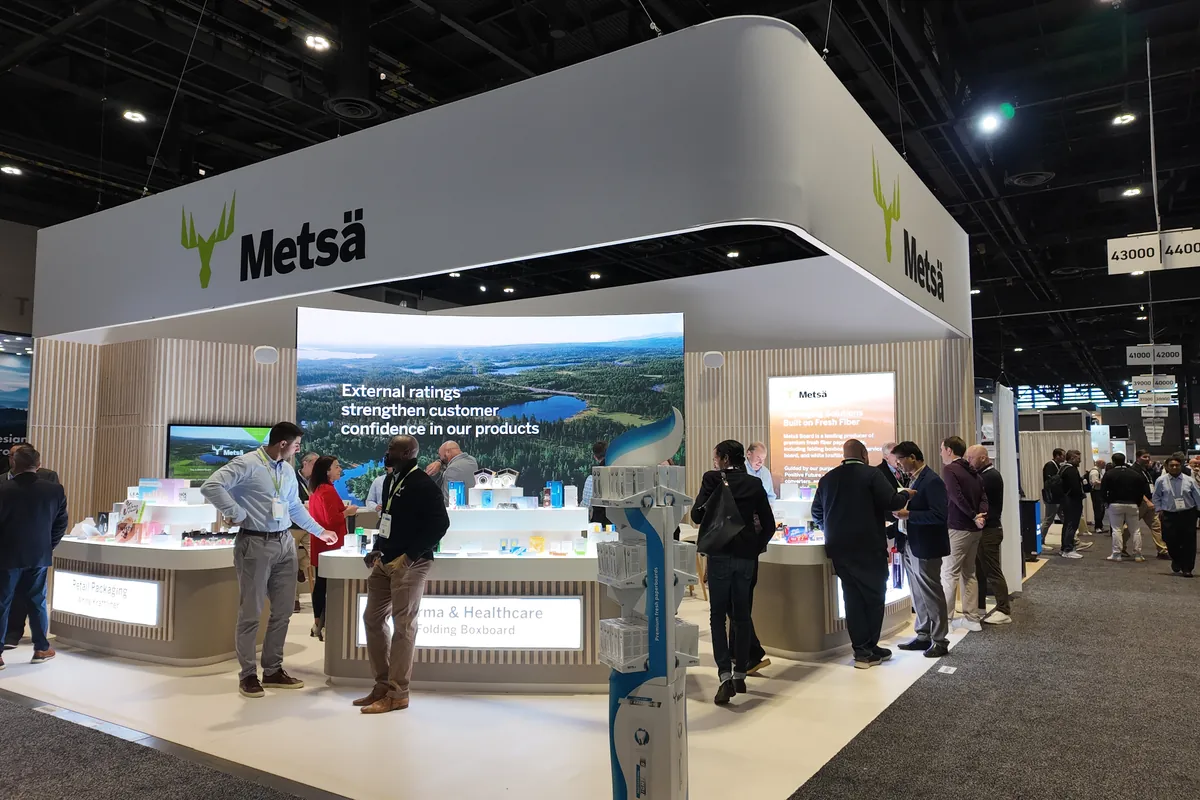 Metsä Board highlighted the importance of material purity in sensitive applications.SIG’s Leveen also pointed to the importance of ensuring access to different recycling technologies when considering how recycled content is sourced for food packaging. She added that the industry needs to consider how legislation affecting packaging and recycling could influence the availability of advanced recycling options.
“It’s an opportunity for the industry to think about how we can ensure, when we’re talking EPR and some of the state-by-state legislation, that we don’t lose the advanced recycling options.”
For Leveen, the choice of recycled material cannot be separated from its intended use.
At Pack Expo 2026, Packaging Insights also caught up with LyondellBasell, Mondi, Plastic Ingenuity, Pregis, and Shurtape to discuss the growing uncertainty for the US packaging industry as states introduce different EPR requirements without a unified federal framework.
The industry experts explained that regulatory fragmentation is complicating investment decisions, while California’s SB 54 is influencing packaging companies’ compliance strategies.
Meanwhile, Amcor exhibited its plastic food packaging solutions designed to address the shifting retail and snacking trends in the US, including some recycle-ready offerings.