



Flint Group raises packaging ink prices as cost pressures “unlikely to ease”

Key takeaways
- Flint Group will increase packaging ink and coating prices in the US and Canada from December 14, followed by Europe on January 1, 2027.
- Raw material shortages in China, rising energy costs, and geopolitical disruptions are driving up pigment, solvent, and resin prices.
- Flint Group warns that price pressures are unlikely to ease without sustained market stability, adding further strain to packaging converters’ margins.
Flint Group Packaging Solutions has announced price increases for its packaging inks and coatings in Europe, Canada, and the US due to raw material shortages in China, as well as higher natural gas and crude oil prices driving up shipping and carbon black costs.
The adjustment is effective from December 14 for the US and Canada, and January 1 for Europe. The company says the move reflects “sustained” cost pressures in the ink and coatings segments in the second half of 2026.
“Recent capacity shortages for key raw materials in Asia, especially in China, are driving up pigment costs across China, India, and the rest of Asia, affecting global packaging ink markets,” Heiner Klokkers, president for Europe, India, Africa, and the Middle East and chief technology officer at Flint Group, tells Packaging Insights.

According to the packaging manufacturer, China’s stricter industrial safety regulations are indirectly disrupting the production of raw materials used to manufacture pigments for packaging ink.
“Additionally, higher natural gas prices are driving up carbon black costs, and crude oil prices have been high since mid-2026 and remain at historically elevated levels. This continues to affect essential petrochemical raw materials, including solvents, resins, and additives,” he adds.
This year, the US-Iran war and blockade of the Strait of Hormuz have created supply chain disruption and increased costs of raw materials needed in the packaging industry.
Crucially, Klokkers says that prices are “unlikely to ease” until there is a “sustained period of stability and input costs return to pre-conflict levels.”
“Our pricing adjustments respond to sustained increases in the cost of manufacturing and supplying our products. Raw material availability, freight and energy costs, and regional supply constraints continue to create uncertainty across the packaging value chain.”
Maintaining cost and quality
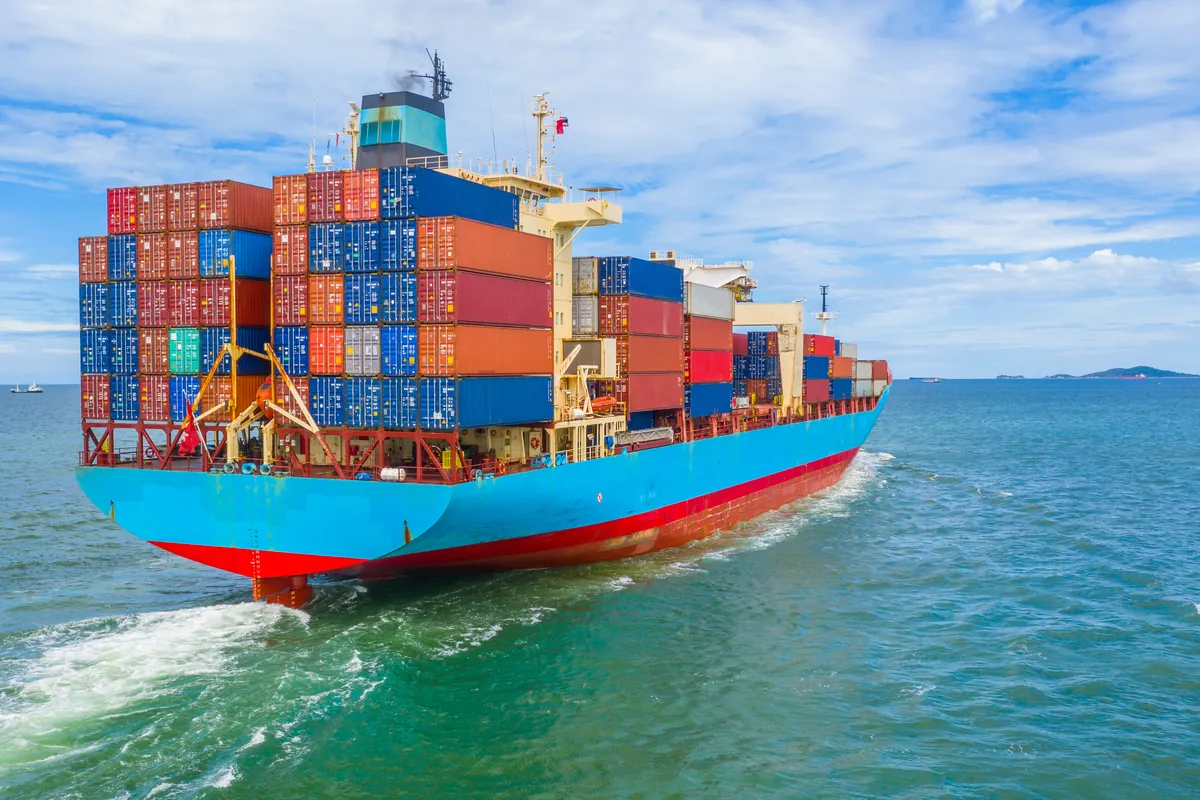 Flint Group is raising packaging ink and coating prices in North America and Europe amid rising raw material, energy, and freight costs.Flint Group is reportedly working closely with suppliers to mitigate costs and maintain continuity of supply. Klokkers says that the pressures it faces are “directly increasing” the cost of manufacturing and supplying Flint Group’s inks and coatings.
“Despite our ongoing work to improve efficiencies and mitigate costs, we must address sustained cost increases to maintain the quality, service, and supply reliability our customers expect,” he underscores.
Klokkers says that Flint Group remains focused on maintaining product quality and a dependable supply but adds that a combination of pressures has had a “cumulative” effect on raw material supply and costs.
He says greater stability in raw material, energy, and freight costs would help stabilize packaging ink prices, but adds that it is premature to make predictions or commitments about future pricing.
“We do not aim to regularly implement price increases, and if costs were significantly reduced, we would consider adjusting as applicable, but stability would be a key factor in making those adjustments.”
Pressure for converters
Nicki Kerrigan, VP for Sales and Service in North America at Flint Group, says the company has “carefully considered” the decision, and it understands the importance of clear pricing communication.
Klokkers adds: “We recognize that any price increase adds pressure to converters’ margins, and we continue to focus on mitigating costs wherever possible.”
He explains that the impact of the price increase for packaging inks and coatings will depend on consumer-specific production that reflects increases from its supplier base.
“Consistent ink and coating quality, dependable supply, and responsive technical support remain essential to helping customers improve productivity, reduce waste, and manage costs,” concludes Klokkers.
Packaging manufacturers and converters are increasingly facing tighter budgets as economic uncertainty and rising operational costs put pressure on processes.
At Pack Expo 2026, American Packaging Corporation examined how geopolitics and regulations have shaped the packaging industry over the past year and how their influence is expected to evolve in 2027.
Meanwhile, Canopy Planet, a nonprofit based in Vancouver, Canada, told us that paper packaging companies can benefit financially from switching from forest fiber to pulp from agricultural residues amid fluctuating wood pulp prices.